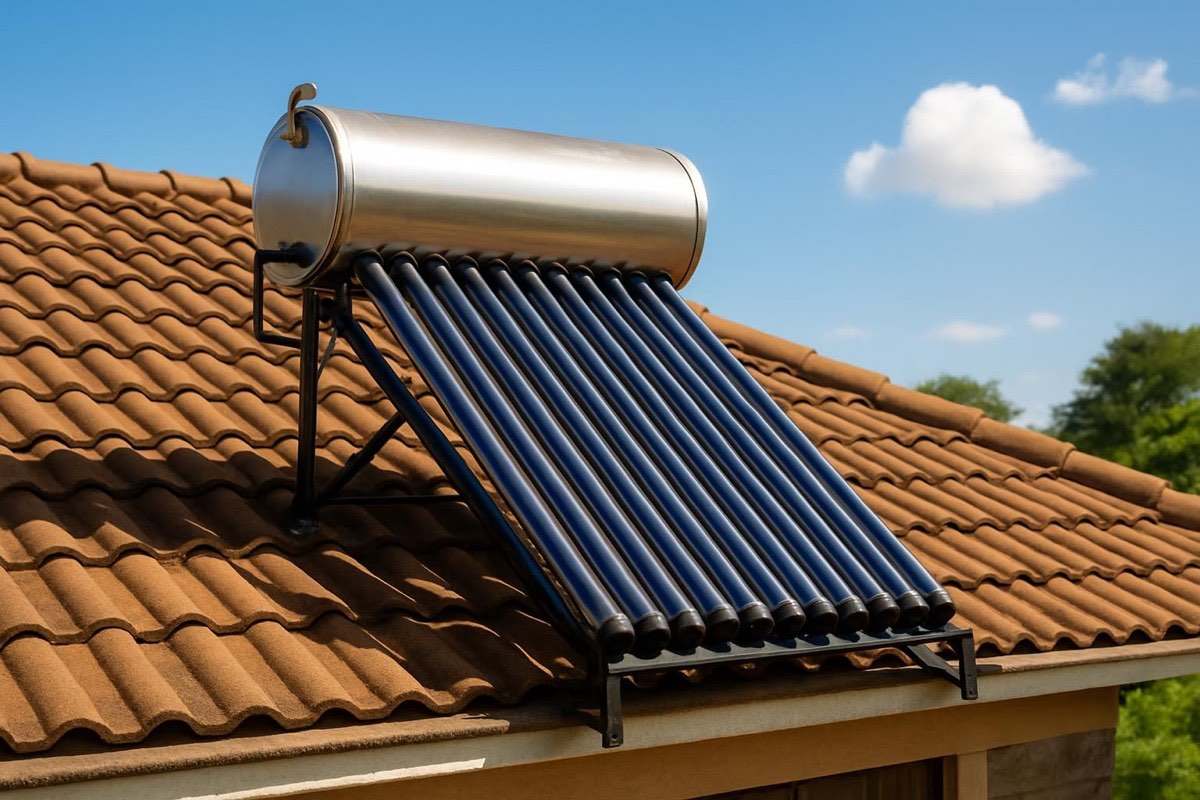
200L Solar Water Heater
200L · for 4–5 people
Rooftop solar water heater that delivers free hot water for a family home.
FromKES 95,000
Get a quote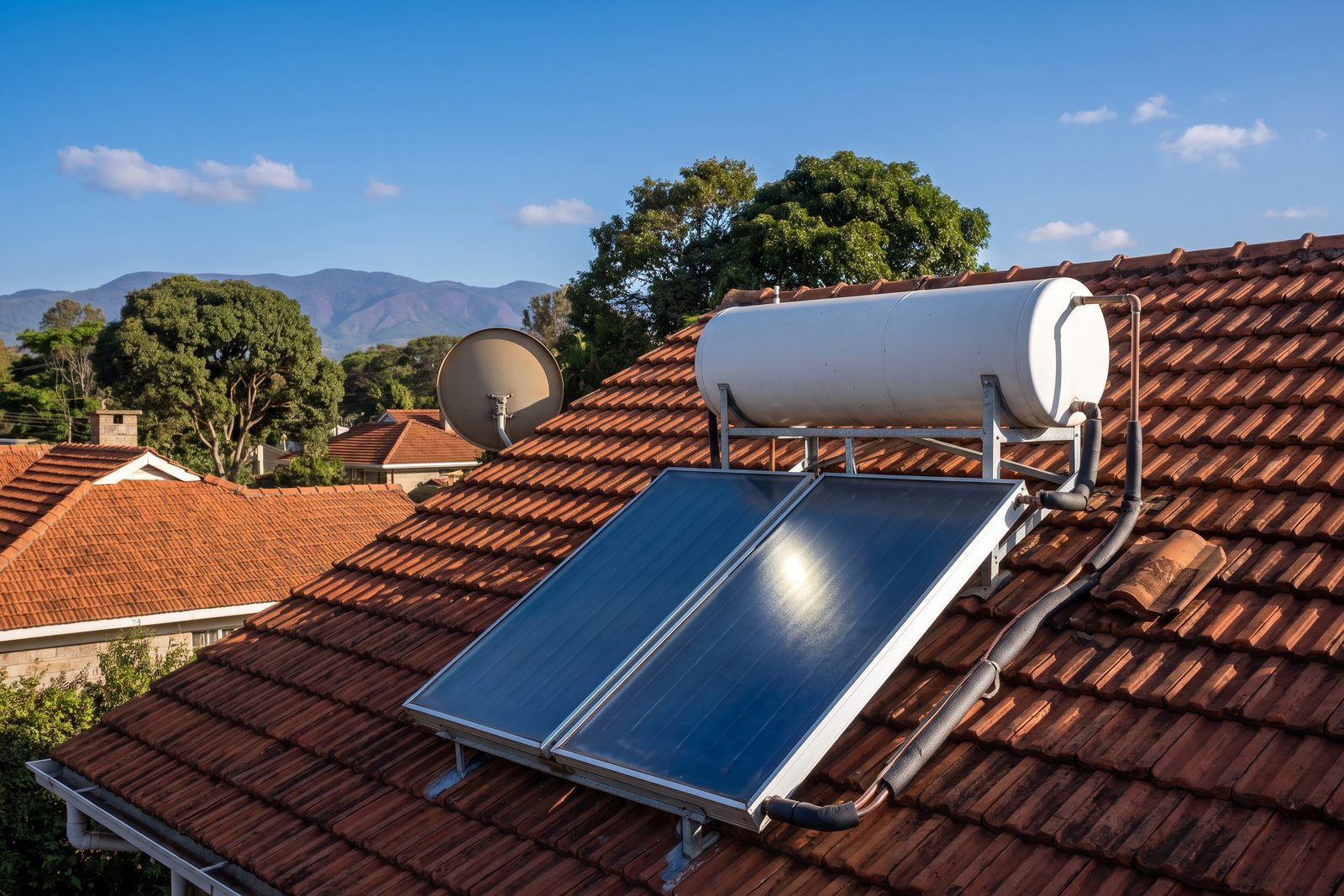
Free hot water from the sun: pressurised and flat plate solar water heaters sized, supplied, and installed by vetted, EPRA-licensed pros.
✓ Free site survey · installation & delivery countrywide
By Admin · Updated June 2026
A solar water heater in Kenya cuts the single biggest line on most electricity bills: heating water. A 3kW electric geyser running a few hours a day can add KES 3,000 to KES 6,000 a month to a Nairobi home's power bill. A correctly sized solar water heating system pushes that close to zero for most of the year, with sunshine doing the work and an electric backup element covering cloudy stretches.
Prices range from around KES 75,000 for a basic 150L non-pressurised unit, with a 200L system from about KES 95,000 and a 300L system from about KES 135,000. Solar Company Kenya is not an installer and holds no licence. We are an independent matching service that connects you with vetted, EPRA-licensed installers who size, supply, install, and warranty the system for your roof, water pressure, and household size.
200L · for 4–5 people
Rooftop solar water heater that delivers free hot water for a family home.
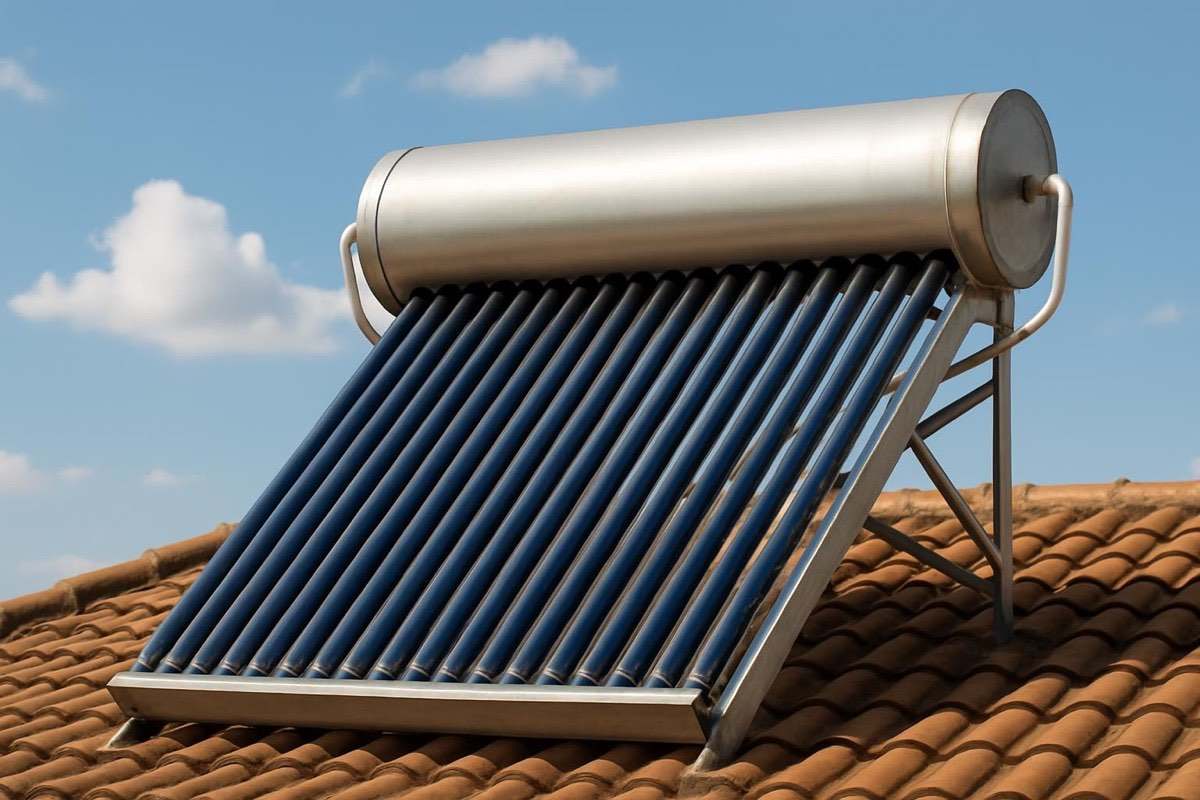
300L · for 6–8 people
Larger-capacity heater for big households, hostels and small institutions.
Pricing depends on capacity, whether the system is pressurised, and the collector type. These are indicative supplied-and-installed market ranges as of 2026. Your installer confirms the final figure after a site visit, since roof type, tank height, and plumbing runs all move the number.
150L (3 to 4 people): KES 75,000 to KES 155,000. Non-pressurised vacuum tube units sit at the low end; pressurised stainless models reach the top.
200L (4 to 5 people): from about KES 95,000. Basic non-pressurised tubes sit at the low end, with premium direct flat plate systems from brands like UltraSun and Dayliff above it.
250L (5 to 6 people): KES 140,000 to KES 200,000 for pressurised stainless units.
300L (5 to 7 people): from about KES 135,000. Indirect and pressurised flat plate systems, including imported Sollatek and Greek-made units, sit toward the top of this range.
Add roughly KES 8,000 to KES 25,000 for installation, mounting frames, and connection if the quote is for supply only. Always ask whether the price includes the backup electric element and a 10 to 20 year tank warranty.
Non-pressurised systems feed hot water by gravity from the tank on your roof. They are cheaper, starting near KES 75,000 for 150L, but the flow at your taps and shower is weak unless the tank sits well above the outlets. They suit single-storey homes with simple plumbing.
Pressurised systems hold water under mains or pump pressure, so a hot shower behaves like a normal one and can run an instant shower head, a bathtub, or multiple taps at once. They cost more, KES 110,000 and up for 150L, but they are what most middle-class homes, apartments, and businesses actually want.
On collectors, you choose between evacuated (vacuum) tubes and flat plate panels. Vacuum tubes heat faster and perform better in cold or cloudy highland areas like Limuru, Nyahururu, and Eldoret. Flat plate collectors are tougher against hail and hard-water scaling and are the common pick along the coast and in Nairobi. Your installer recommends the right match for your altitude and water quality.
The rule of thumb is about 40 to 50 litres of hot water per person per day. A couple manages on 150L; a family of four to five is comfortable on 200L; a household of six or more, or a home with bathtubs and multiple bathrooms, should look at 300L.
Businesses and farms scale differently. A salon, guesthouse, or clinic with steady daytime demand often runs two or more 300L tanks in parallel. Dairy and agribusiness operations that need hot water for cleaning may pair solar heating with a heat pump for guaranteed volume.
Hard water and borehole supply matter. High mineral content scales up vacuum tubes and heating elements, so installers in places like Kitengela, Athi River, and parts of Kajiado often fit a pressurised flat plate system plus a sediment filter. Mention your water source when you request a quote so the installer sizes and protects the system correctly.
A standard electric geyser is cheapest to buy but the most expensive to run. At current tariffs it is the main reason power bills spike in homes that shower with hot water daily.
A solar water heater costs more upfront but recovers that cost in 2 to 4 years through lower bills, then runs nearly free for 15 to 20 years. The electric backup element only kicks in during long cloudy spells, so your day-to-day cost stays low.
A heat pump water heater, such as the Dayliff HPW range at KES 129,000 to KES 315,000, uses electricity but is roughly three times more efficient than a resistive geyser. Heat pumps work day and night regardless of sun, which makes them a strong option for high-demand commercial sites or homes with limited north-facing roof space. Many installers combine solar collectors with a heat pump for the best of both.
A typical home installation takes half a day to a day. The collector and tank go on the roof angled toward the equator, the plumbing ties into your cold supply and hot lines, and the backup element wires to a dedicated circuit. EPRA licensing is required for the technicians who do this work in Kenya, which is exactly why we only match you with vetted, EPRA-licensed installers.
Warranties vary by component: 1 year is common on workmanship and parts, while quality tanks carry 5 to 10 years and collectors 10 to 20 years. Confirm what is covered before you pay, and keep the installer's contact for the backup element, which is the part most likely to need replacing over the life of the system.
Maintenance is light. Flush the tank and check the element every year or two, clear dust off flat plate glass in dry seasons, and descale vacuum tubes if you are on hard water. A well-installed system from a reputable brand runs for around 20 years with minimal attention.
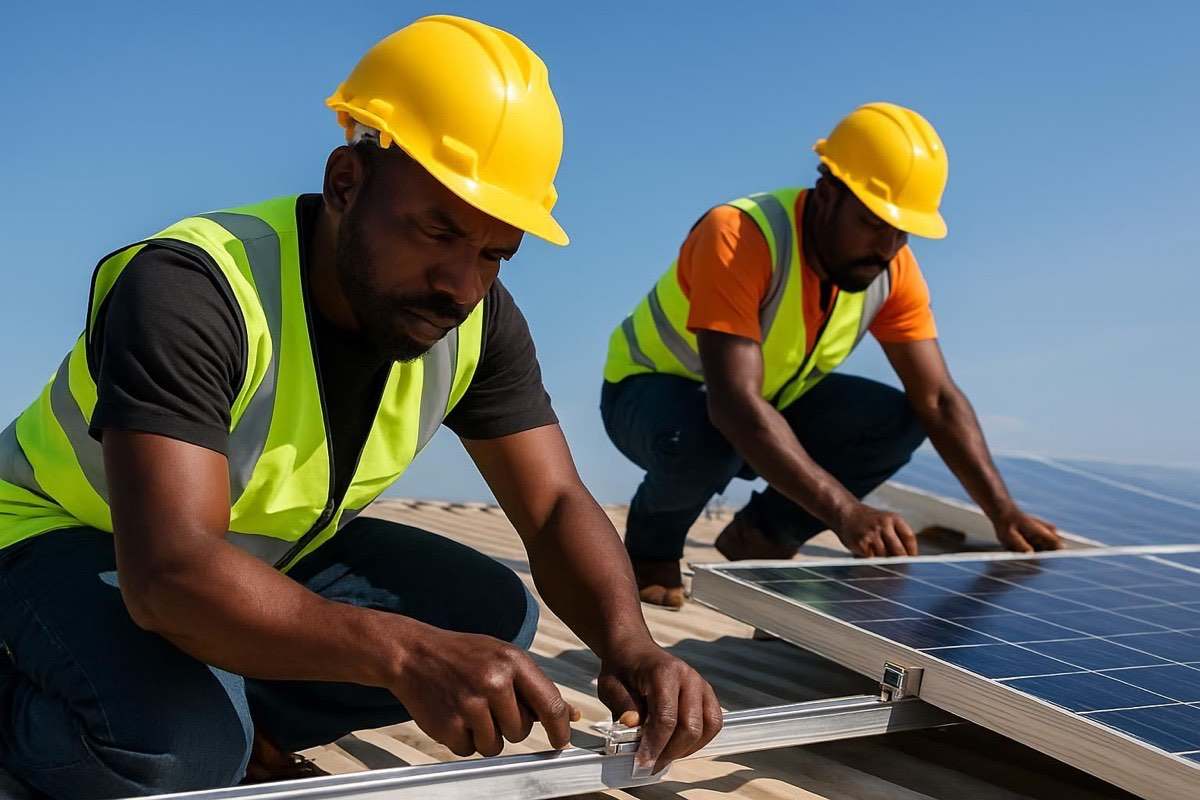
We are independent. We connect you with a vetted, EPRA-licensed installer, arrange your free site survey, and make sure you get a clear, written quote that sets out the system, equipment and warranty.
Answer a few quick questions and we'll connect you with a vetted, EPRA-licensed installer for a free site survey and a clear, written quote. Free site survey · installation & delivery countrywide.
Get my free quoteSupplied and installed, prices run from about KES 75,000 for a basic 150L non-pressurised unit, with a 300L pressurised flat plate system from about KES 135,000. A 200L unit for a family of four to five starts from about KES 95,000 depending on brand and collector type.
A 200L system starts from about KES 95,000 for non-pressurised vacuum tubes, with premium direct flat plate models above that. A 300L system starts from about KES 135,000, with high-end indirect flat plate units toward the top. Get an exact figure from a site visit since roof and plumbing affect the total.
Yes, for many buildings. Kenyan regulations require buildings with hot water demand above 100 litres per day, which covers most new homes, hotels, hospitals, and commercial premises, to install solar water heating. Installation must be done by EPRA-licensed technicians. We connect you with vetted, EPRA-licensed installers who handle compliance.
Non-pressurised systems use gravity, so they are cheaper but give weak flow unless the tank sits high above the taps. Pressurised systems hold water under mains or pump pressure, giving strong, even flow that suits showers, bathtubs, and multiple taps. Most modern homes and businesses choose pressurised.
Vacuum (evacuated) tubes heat faster and perform better in cold, cloudy highland areas. Flat plate panels are more durable against hail and hard-water scaling and are common in Nairobi and at the coast. Your installer matches the collector to your altitude and water quality.
A quality system lasts around 20 years. Maintenance is light: flush the tank yearly, check the backup electric element, clean flat plate glass in dusty seasons, and descale vacuum tubes if you are on hard or borehole water. The backup element is the part most likely to need replacing.
Yes. The tank stores heated water in an insulated jacket, so hot water from a sunny day stays warm through the night. During long cloudy spells, a built-in electric backup element tops up the temperature, so you never run out. Running costs stay low because the element rarely runs.
A daily-use electric geyser can add KES 3,000 to KES 6,000 a month to a Nairobi home's bill. A correctly sized solar system cuts most of that, paying back its cost in 2 to 4 years and then running nearly free for 15 to 20 years.
Get matched with vetted, EPRA-licensed installers who survey your roof, size the system to your bills and fit it properly the first time.
View Installation →What solar actually costs in Kenya: panels, inverters, batteries and full systems, with real KES figures and no hidden extras.
View Prices →Complete, ready-sized solar packages with real KES prices: from a 1kW backup unit to a 15kW system for homes, farms and small businesses.
View Solar Systems →