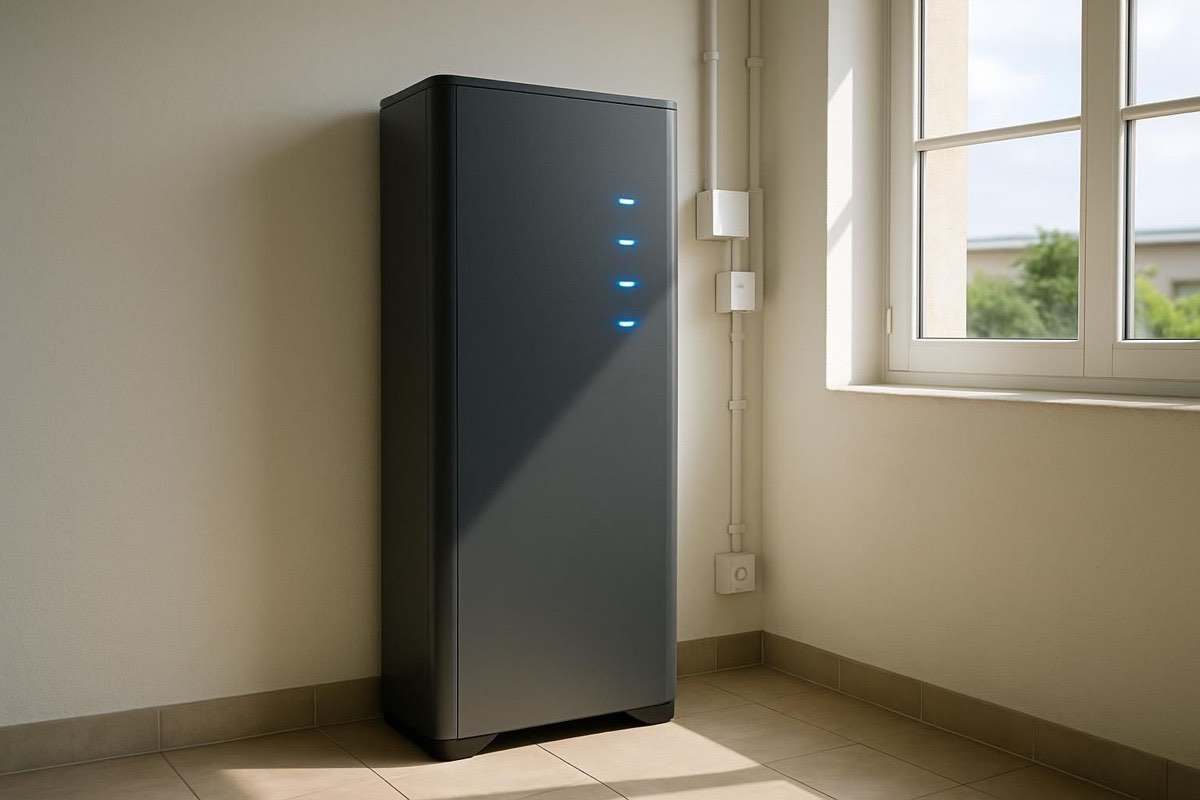
5kWh Lithium Solar Battery (LiFePO4)
5.12kWh · 48V LiFePO4
Long-life lithium battery, deeper discharge and far longer life than lead-acid.
FromKES 180,000
Get a quote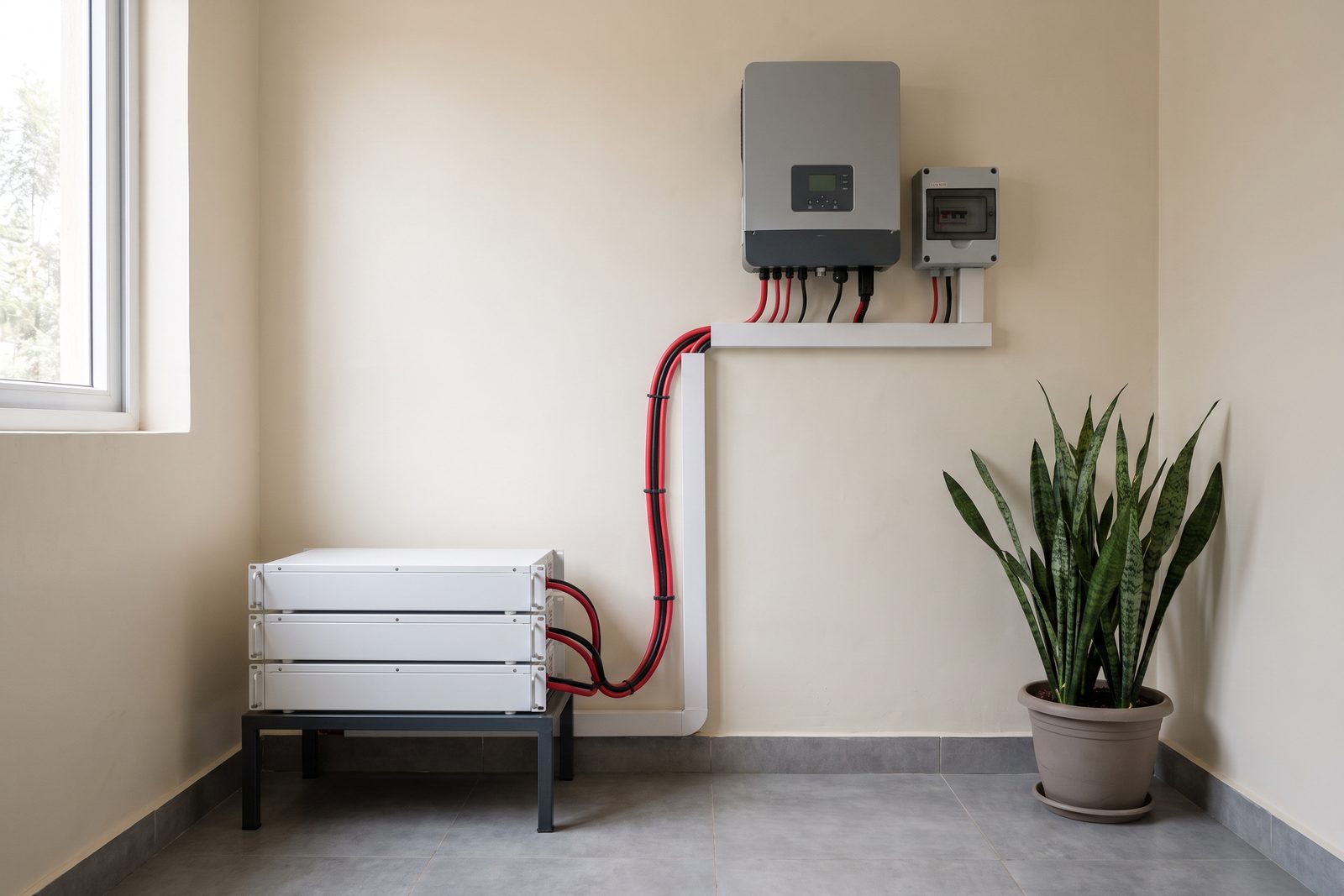
Long-life lithium and deep-cycle batteries that store your solar power for the evening hours and for blackouts.
✓ Free site survey · installation & delivery countrywide
By Admin · Updated June 2026
A solar battery in Kenya is what turns daytime sunshine into power you can actually use at night, during a KPLC blackout, or when the grid voltage drops. The panels make energy from roughly 7am to 6pm, but most homes and businesses burn the bulk of their electricity after dark. The battery bridges that gap. This page lays out the real options, current KES prices, how to size a bank for your load, and how long a battery like a 200Ah unit will actually last on your appliances.
Two chemistries dominate the market: lithium (mostly LiFePO4) and lead-acid (tubular gel, sealed AGM, and lead-carbon). Lithium costs more upfront but lasts three to five times longer and lets you use far more of its stored energy, so for daily-cycling solar it usually wins on cost-per-year. We are an independent matching service, not an installer, so the figures here are indicative market prices to help you budget. When you are ready, we connect you with vetted, EPRA-licensed installers who size, supply, and warranty the right bank for your roof and your bills.
5.12kWh · 48V LiFePO4
Long-life lithium battery, deeper discharge and far longer life than lead-acid.
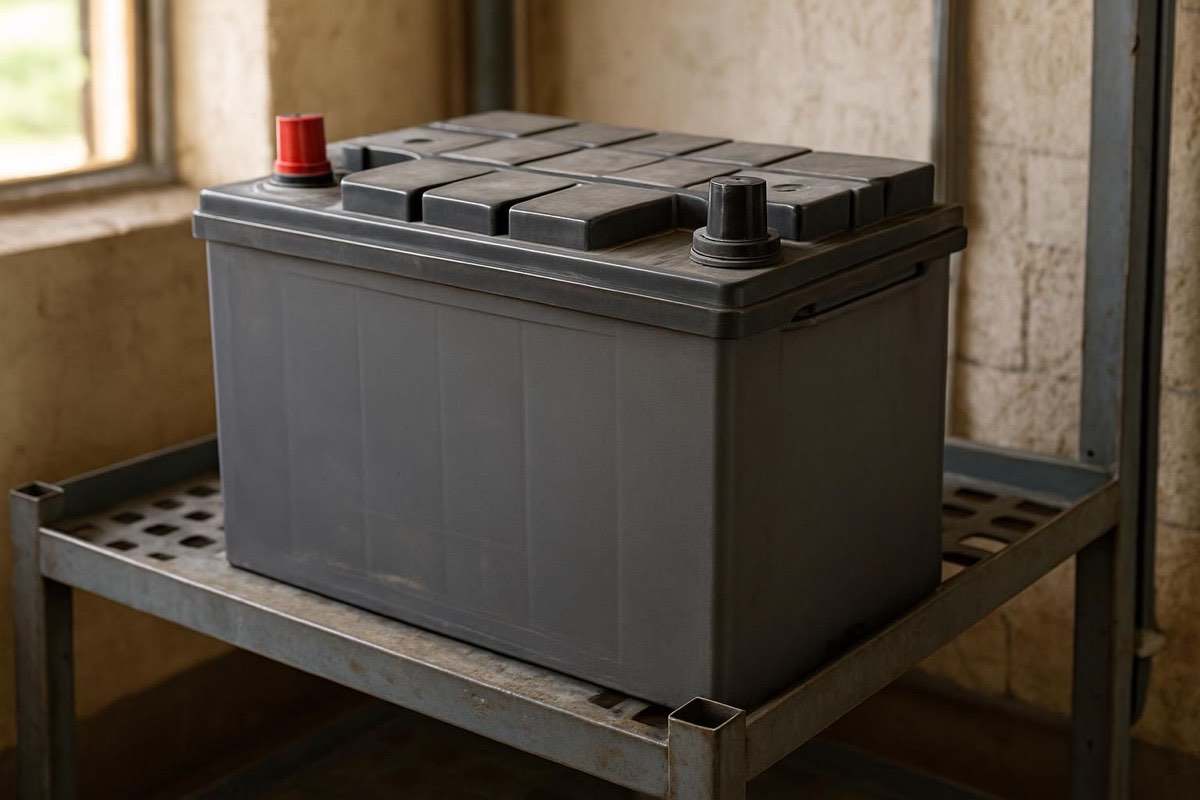
200Ah · 12V
Budget deep-cycle option for small backup systems and tight budgets.
Prices move with capacity (kWh or Ah), chemistry, and brand. As a budgeting guide for 2026: a 12V 100Ah lead-acid tubular or gel battery runs about KES 18,000 to 32,000, while a 12V 200Ah deep-cycle lead-acid is about KES 38,000. The same 12V 200Ah in lithium costs roughly KES 60,000 to 70,000.
For modern hybrid systems the unit everyone quotes is the 48V (51.2V) rack or wall battery. A 5kWh LiFePO4 lithium battery is about KES 180,000 depending on brand and warranty. A small 1.3kWh 12V lithium starter unit is around KES 31,000, and a 2.6kWh 24V around KES 50,000.
To put it in system terms: a typical 5kW hybrid solar system for a Kenyan home starts from KES 650,000 fully installed, and the battery is usually the single largest line item. A 300W panel is only about KES 16,000, so most of your budget protects against the dark hours, not the sunny ones. Your installer prices the exact bank against your daily kWh use and your backup goals.
The honest answer for daily solar use is LiFePO4 lithium. The reason is depth of discharge. A lead-acid battery should only be drained to about 50% to protect its life, so a 200Ah 12V (2.4kWh nominal) gives you roughly 1.2kWh usable. A LiFePO4 unit can be drained to 80-90%, so the same nameplate gives you nearly double the real energy. You pay more per battery but you buy far fewer of them.
Lifespan tells the same story. A good tubular or gel lead-acid lasts 3 to 5 years of daily cycling, while LiFePO4 is rated for 6,000 cycles or more, which is 10 to 15 years cycling once a day. Lithium is also lighter, needs no watering or ventilation, and holds voltage steady as it discharges, so your fridge and pump behave better near empty.
Lead-acid still has a place. For a small backup that cycles rarely, a borehole pump used a few times a week, or the tightest upfront budget, a tubular gel or lead-carbon battery is a sensible buy. AGM sealed batteries suit low-maintenance setups but cost more than flooded tubular for less cycle life. If you cycle every single day, lithium almost always costs less per year.
Start with what you want to run after dark, not the size of your roof. Add up the appliances and the hours: lights at 200W for 5 hours, a TV and decoder at 150W for 5 hours, phones and wifi at 100W for 6 hours, and a fridge averaging 1.2kWh a day. That household lands near 3 to 4kWh of evening and overnight use, which points to a single 5kWh lithium battery with comfortable headroom.
Scale from there. A larger home that wants the fridge, several rooms, and a water pump through a full blackout night is usually looking at 10kWh, often two 5kWh lithium units. A shop or small office covering tills, lights, and a fridge through load-shedding hours sits in the same 5 to 10kWh range. Farms running a borehole pump need a battery matched to the pump's surge, which is where a licensed installer's load study earns its fee.
Two rules keep you safe. Do not size to the absolute minimum, because batteries age and cold mornings cut output, so leave 20-30% headroom. And match the battery voltage to the inverter: a 48V hybrid inverter wants a 48V/51.2V battery, not a string of 12V units bodged together. Your installer confirms voltage, inverter compatibility, and the warranty terms before anything is wired.
Judge a battery on cost per usable kilowatt-hour over its life, not the sticker price. A KES 38,000 lead-acid 200Ah giving 1.2kWh usable over 1,200 cycles works out far pricier per delivered kWh than a KES 180,000 lithium 5kWh giving 4.5kWh usable over 6,000 cycles. Lithium's higher upfront cost is spread over many more nights of use.
Read the warranty carefully. Quality LiFePO4 batteries carry 5 to 10 year warranties stated in cycles and a guaranteed remaining capacity, often 70-80% after the term. Lead-acid warranties are shorter, usually 1 to 2 years, and pro-rated. Genuine units have a real BMS (battery management system) protecting against overcharge, deep discharge, and heat, which matters in hot coastal and dry northern climates.
Buying through a vetted, EPRA-licensed installer protects this investment. They supply genuine batteries with traceable warranties, match the BMS settings to your inverter, and handle any claim if a cell fails early. Grey-market batteries are cheaper but often arrive with inflated capacity ratings and no support, which is the most common reason a bank dies years early.

We are independent. We connect you with a vetted, EPRA-licensed installer, arrange your free site survey, and make sure you get a clear, written quote that sets out the system, equipment and warranty.
Answer a few quick questions and we'll connect you with a vetted, EPRA-licensed installer for a free site survey and a clear, written quote. Free site survey · installation & delivery countrywide.
Get my free quoteAs a 2026 guide: a 12V 100Ah lead-acid battery is about KES 18,000 to 32,000, a 12V 200Ah deep-cycle lead-acid about KES 38,000, and a 12V 200Ah lithium about KES 60,000 to 70,000. The popular 5kWh 48V LiFePO4 lithium battery used in hybrid systems is about KES 180,000. Your installer confirms the price for your exact load and inverter.
A 12V 200Ah deep-cycle lead-acid battery (tubular gel, AGM, or lead-carbon) costs about KES 38,000 in 2026. The same 12V 200Ah in LiFePO4 lithium runs roughly KES 60,000 to 70,000. Lithium costs more but gives nearly double the usable energy and lasts three to five times longer per cycle.
A 5kWh 48V LiFePO4 lithium battery, the standard size for a home hybrid system, is about KES 180,000. Smaller units cost less: a 1.3kWh 12V lithium is around KES 31,000 and a 2.6kWh 24V around KES 50,000. Larger 10kWh banks for big homes or businesses typically use two 5kWh units.
For daily solar use, LiFePO4 lithium is best. It can be safely drained to 80-90% versus only 50% for lead-acid, lasts 6,000+ cycles (about 10 to 15 years) versus 3 to 5 years, and needs no maintenance. Lead-acid tubular gel or lead-carbon still makes sense for rare backup use or the tightest upfront budget.
A 12V 200Ah battery holds about 2.4kWh nominal. On lead-acid you should only use about half, so roughly 1.2kWh: that runs a 100W load of lights and a TV for around 10 to 12 hours, but a 1,000W appliance for barely over an hour. On lithium you get nearly the full 2.4kWh, so closer to double the runtime. Real hours depend on how many watts you draw at once.
LiFePO4 lithium batteries last about 10 to 15 years cycling once a day, rated at 6,000 cycles or more. Lead-acid tubular and gel batteries last about 3 to 5 years of daily cycling, lead-carbon a little longer. Lifespan drops if a battery is regularly over-drained, overheated, or run without a proper BMS, which is why genuine units and correct installer settings matter.
Yes, if it is sized for it. A single 5kWh lithium battery comfortably carries lights, TV, wifi, phones, and a fridge through an evening and overnight. To also run a water pump or several rooms through a full night, most homes need about 10kWh (two 5kWh units). Heavy loads like electric kettles, irons, and water heaters drain any battery fast, so they are usually kept on grid power.
You can start with lead-acid to lower upfront cost, but plan the inverter and wiring around your future lithium battery so you are not paying twice. Many Kenyan homes begin with a small bank and expand. A vetted, EPRA-licensed installer can size a system that accepts more capacity later, matching battery voltage to the inverter from day one.
Complete, ready-sized solar packages with real KES prices: from a 1kW backup unit to a 15kW system for homes, farms and small businesses.
View Solar Systems →Pure sine-wave hybrid inverters with built-in MPPT: the brain that turns your panels and battery into clean, stable home power.
View Inverters →What solar actually costs in Kenya: panels, inverters, batteries and full systems, with real KES figures and no hidden extras.
View Prices →Get matched with vetted, EPRA-licensed installers who survey your roof, size the system to your bills and fit it properly the first time.
View Installation →