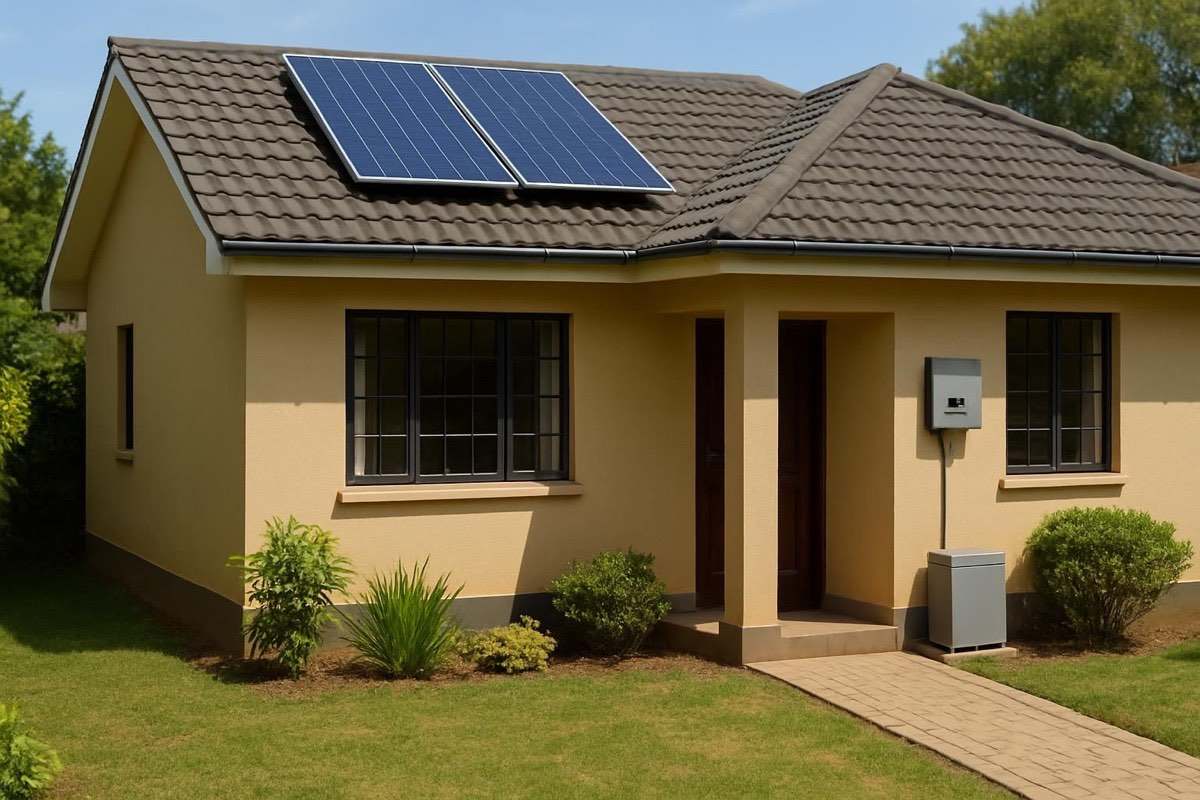
1kW Solar System (Backup)
1kW · ~4–5 kWh/day
Entry backup system that keeps lights, TV, router and phone charging running through outages.
FromKES 120,000
Get a quote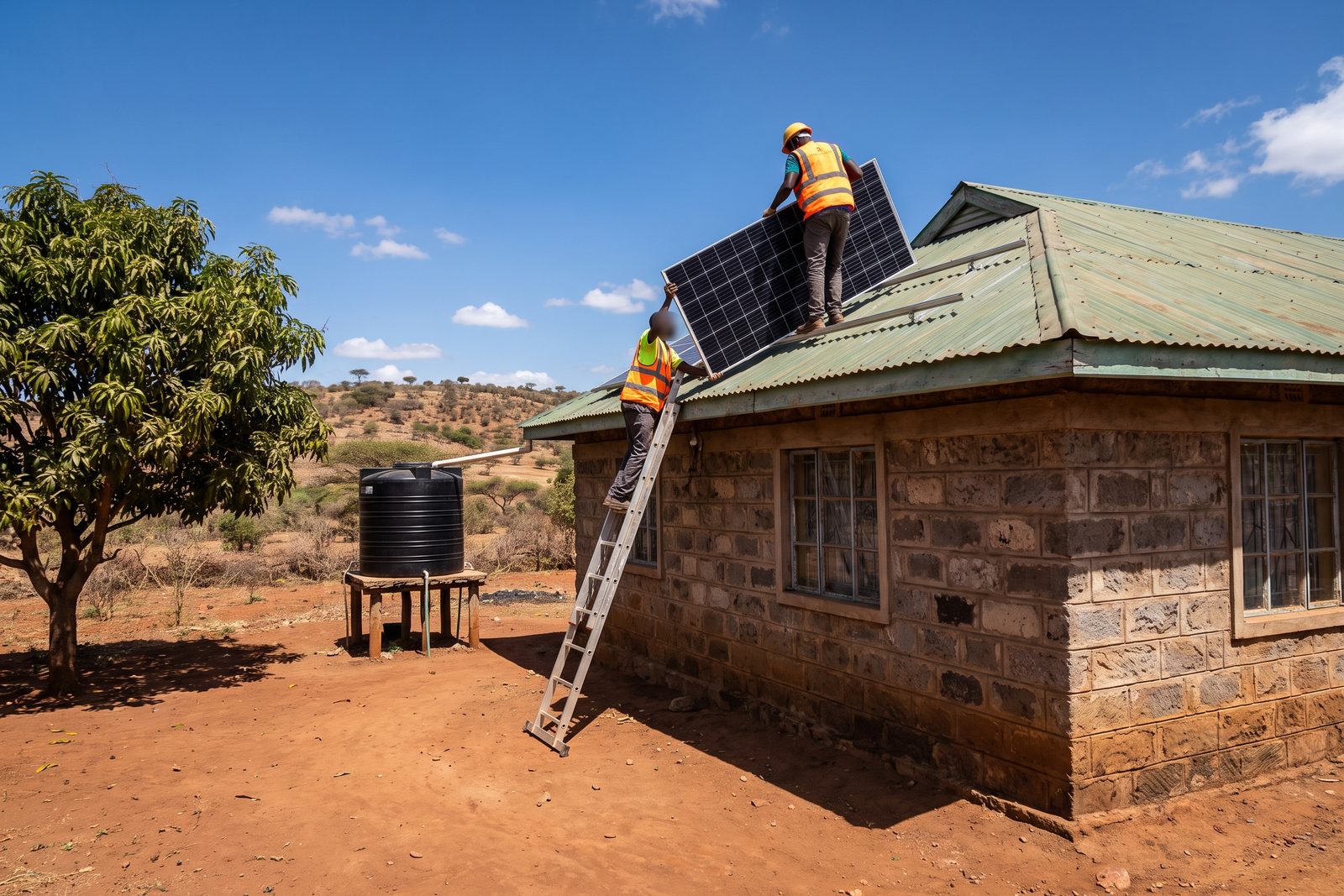
Get matched with vetted, EPRA-licensed installers who survey your roof, size the system to your bills and fit it properly the first time.
✓ Free site survey · installation & delivery countrywide
By Admin · Updated June 2026
Solar installation in Kenya can cut a household power bill by 70 to 90 percent, but only when the system is sized to your real load and fitted by someone who knows roof structures, inverters and EPRA rules. Solar Company Kenya is an independent matching service. We are not an installer and we hold no licence. What we do is connect you with a vetted, EPRA-licensed solar installer, so you are not guessing on price or quality or gambling on whoever shows up first.
Most solar pages in Kenya hide the numbers behind a 'request a quote' button. We do the opposite. Below you will find indicative KES prices for panels, batteries and full systems, honest sizing guidance and the questions worth asking before you sign. Your chosen installer carries out the site survey, sizes the array, supplies the equipment and stands behind the workmanship and product warranties. We simply make sure the installer you talk to is properly licensed and reviewed.
1kW · ~4–5 kWh/day
Entry backup system that keeps lights, TV, router and phone charging running through outages.
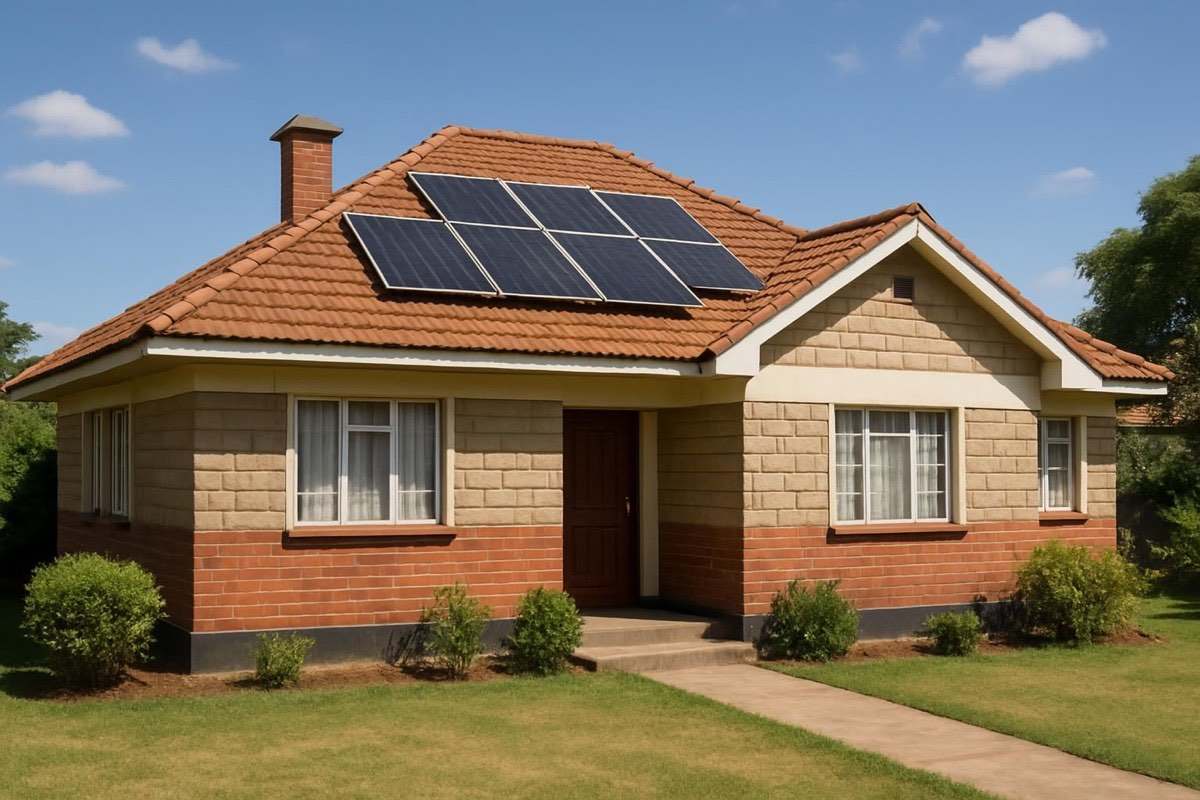
3kW · ~12–15 kWh/day
Popular family system for a 2–3 bedroom home, runs lights, electronics, fridge and small appliances.
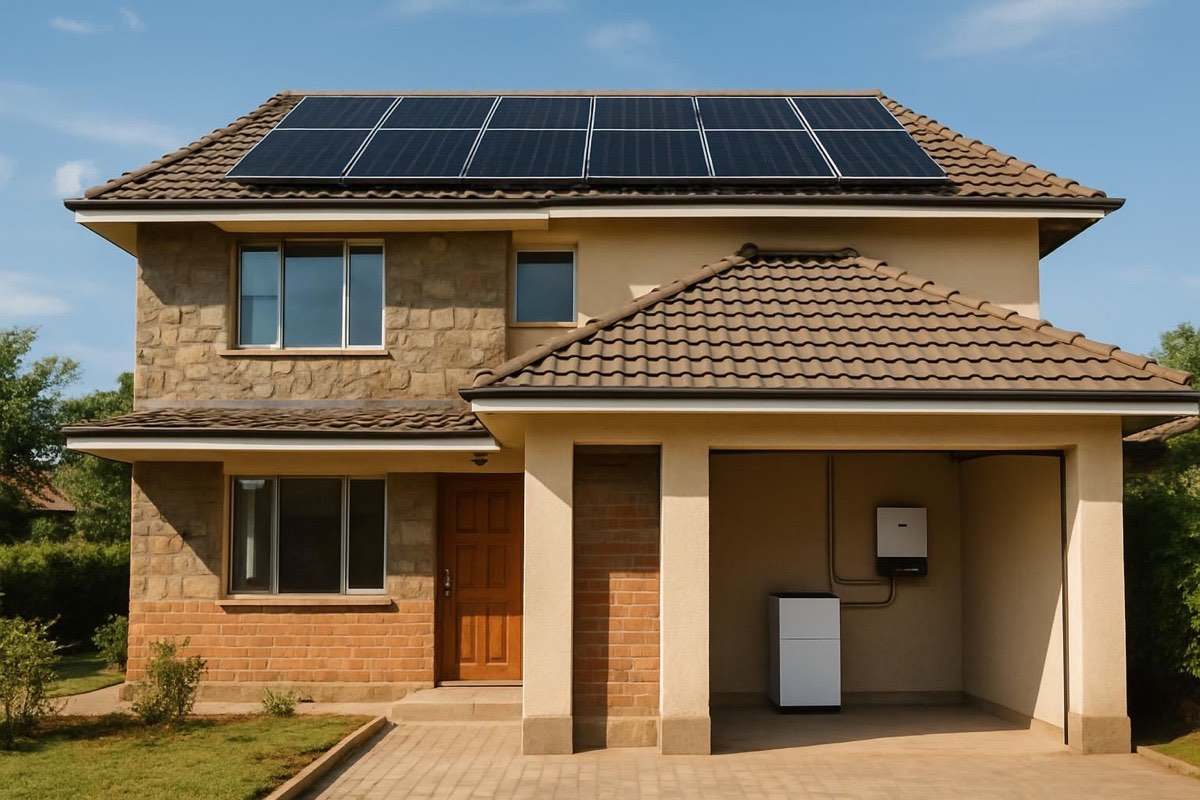
5kW · ~20–25 kWh/day
Whole-home hybrid system with battery storage, cuts the KPLC bill and rides through blackouts.
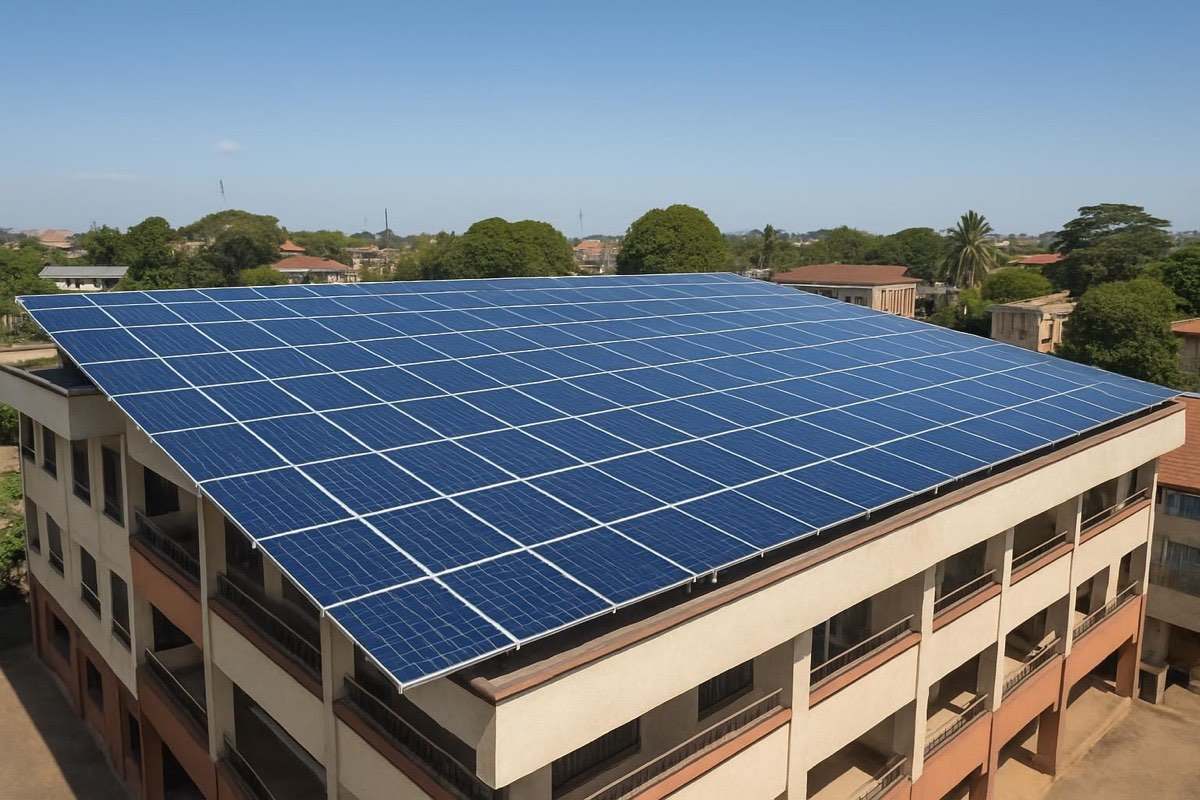
10kW · ~40–50 kWh/day
For shops, offices, schools and clinics, slashes daytime grid costs with optional storage.
Prices move with panel brand, battery chemistry and roof complexity, but these are realistic 2026 market figures to plan around. A single 300W mono panel runs about KES 16,000, and a 550W panel around KES 28,000. A 5kWh lithium (LiFePO4) battery sits near KES 180,000, while an older lead-acid bank of similar usable capacity is cheaper upfront but lasts a third as long.
For a full supplied-and-installed system, a small backup setup starts from KES 120,000. A popular 3kW hybrid system for a typical three-bedroom home starts from KES 350,000. A 5kW hybrid system with a 5kWh lithium battery, the most common middle-class choice, comes in from KES 650,000 fully fitted. A 10kW system for a large home, farm or small business starts from KES 1,200,000 depending on battery sizing.
These figures include panels, inverter, mounting, cabling, protection and labour. Where a quote is far below these, ask what is being left out: undersized cabling, no surge protection and grey-market inverters are the usual corners cut. Your installer gives you a firm price after the survey, since roof type and battery autonomy change the final number more than anything else.
Sizing starts with your power use, not a guess. A good installer asks for your last three KPLC bills, lists your heavy loads (fridge, pump, iron, water heater) and notes which of those must run during a blackout. From that they calculate daily kWh and design the array and battery around it.
As a rough guide: a 3kW system suits a home using 8 to 12 units a day with lights, TV, fridge and phones. A 5kW system covers 15 to 25 units a day and can carry an iron or borehole pump in short bursts. Beyond 25 units a day, or for welding, large pumps or cold rooms, you are into 8kW and above.
The mistake we see most is buying for today and outgrowing it in a year. If you plan to add an inverter aircon or an EV charger, tell the installer now so the inverter and roof layout leave room. A properly licensed installer will also factor in Nairobi and Central region cloud cover, which trims output in the long rains around April and over July and August.
Home systems are usually rooftop hybrid setups in Nairobi, Kiambu, Nakuru, Mombasa and the wider suburbs, designed for daily savings plus blackout backup. Solar installation in Nairobi often involves flat-roof or mabati mounting and tighter wayleave rules, so local experience matters.
Farm installations lean on solar water pumping and cold storage. A solar borehole pump removes a recurring diesel or KPLC bill entirely, and dairy or horticulture operations often pair panels with a battery to run a cold room overnight. Commercial systems for shops, schools, hotels and SACCOs are typically grid-tied or hybrid, sized to shave the expensive daytime peak off the bill, sometimes with net metering where the DNO allows it.
Whatever the site, the installer we match you with handles the structural check, the EPRA-compliant wiring and the sign-off. You get a system designed for that specific roof and load, not a one-size package.
EPRA (the Energy and Petroleum Regulatory Authority) licenses solar technicians and contractors in Kenya. An unlicensed install can void your equipment warranty, fail an insurance claim after a fire, and is illegal for grid-tied work. Every installer in our network is EPRA-licensed and reviewed, which is the single biggest reason to match through us rather than pick a number off a poster.
Expect these warranty terms from a reputable installer: solar panels carry a 10 to 12 year product warranty and a 25-year performance warranty, inverters 5 to 10 years, lithium batteries 5 to 10 years (or a cycle count), and workmanship typically 1 to 2 years. Get all of these in writing before paying the balance.
Ask for the installer's EPRA licence number, proof the panels and inverter are genuine, and a maintenance plan. Panels need little more than occasional cleaning, but dirty panels can lose up to 30 percent of their output, so a simple wash schedule protects your investment.
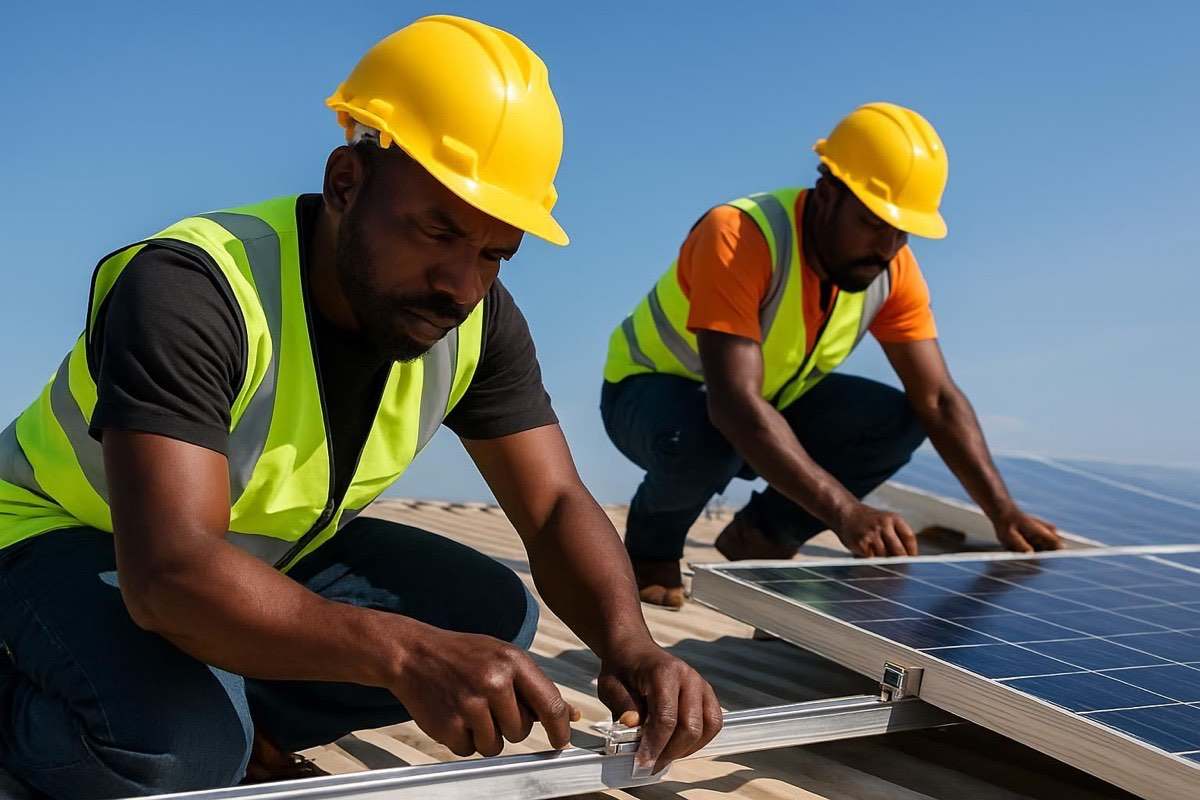
We are independent. We connect you with a vetted, EPRA-licensed installer, arrange your free site survey, and make sure you get a clear, written quote that sets out the system, equipment and warranty.
Answer a few quick questions and we'll connect you with a vetted, EPRA-licensed installer for a free site survey and a clear, written quote. Free site survey · installation & delivery countrywide.
Get my free quoteAs a 2026 guide, a small backup system starts from KES 120,000, a 3kW hybrid from KES 350,000, and a 5kW hybrid with a 5kWh lithium battery from KES 650,000 fully installed. A 10kW system for a large home or business starts from KES 1,200,000. Your installer gives a firm figure after surveying your roof and bills.
A standard home system of 3 to 5kW is usually wired and commissioned in one to two days once equipment is on site. Larger commercial or farm systems can take three to five days. The site survey and design happen before that, so allow one to two weeks from first quote to a working system.
It depends on your daily units, not your house size. Roughly: 3kW for 8 to 12 units a day, 5kW for 15 to 25 units, and 8kW or more above that. Share your last three KPLC bills with the installer and tell them which appliances must run during a blackout so they size the battery correctly.
It depends on the battery, not the inverter rating. A 5kVA hybrid inverter paired with a 5kWh lithium battery runs a typical home (lights, TV, fridge, Wi-Fi, phones) for roughly 6 to 10 hours overnight. Add an iron, water heater or pump and that drops fast. For all-night cover on heavy loads, you need 10kWh or more of storage.
Rain does not damage quality panels; they are sealed and built for it, and a downpour actually cleans dust off the glass. Output dips on heavily overcast days because there is less sunlight, which is why a battery and correct sizing matter during the Kenyan long rains. Panels still generate some power in cloud, just less.
Panels do not switch off at 25 years. The 25-year figure is a performance warranty: most panels still produce about 80 to 87 percent of their original output at that point and keep working for years after. Inverters and batteries are replaced sooner (every 5 to 12 years), so budget for those, not the panels.
EPRA licensing is a legal requirement for solar work in Kenya, and an unlicensed install can void your warranty and your insurance. We connect you only with EPRA-licensed, reviewed installers, so you avoid the cowboys who undersize cabling or fit grey-market inverters that fail in a year.
No. Solar Company Kenya is an independent matching service, not an installer, and we hold no licence. We connect you with vetted, EPRA-licensed installers who carry out the survey, supply the equipment, do the fitting and provide the warranties. Your installer surveys the site and gives you a written quote.
Complete, ready-sized solar packages with real KES prices: from a 1kW backup unit to a 15kW system for homes, farms and small businesses.
View Solar Systems →Genuine Tier-1 monocrystalline solar panels priced openly per watt, matched to vetted, EPRA-licensed installers across Kenya.
View Solar Panels →What solar actually costs in Kenya: panels, inverters, batteries and full systems, with real KES figures and no hidden extras.
View Prices →We connect you with vetted, EPRA-licensed installers serving Nairobi and the surrounding counties, with a free survey and a clear written quote.
View Nairobi →Cut your business's daytime power bill with a right-sized commercial solar system, costed in real KES and built by a vetted, EPRA-licensed installer.
View Commercial →