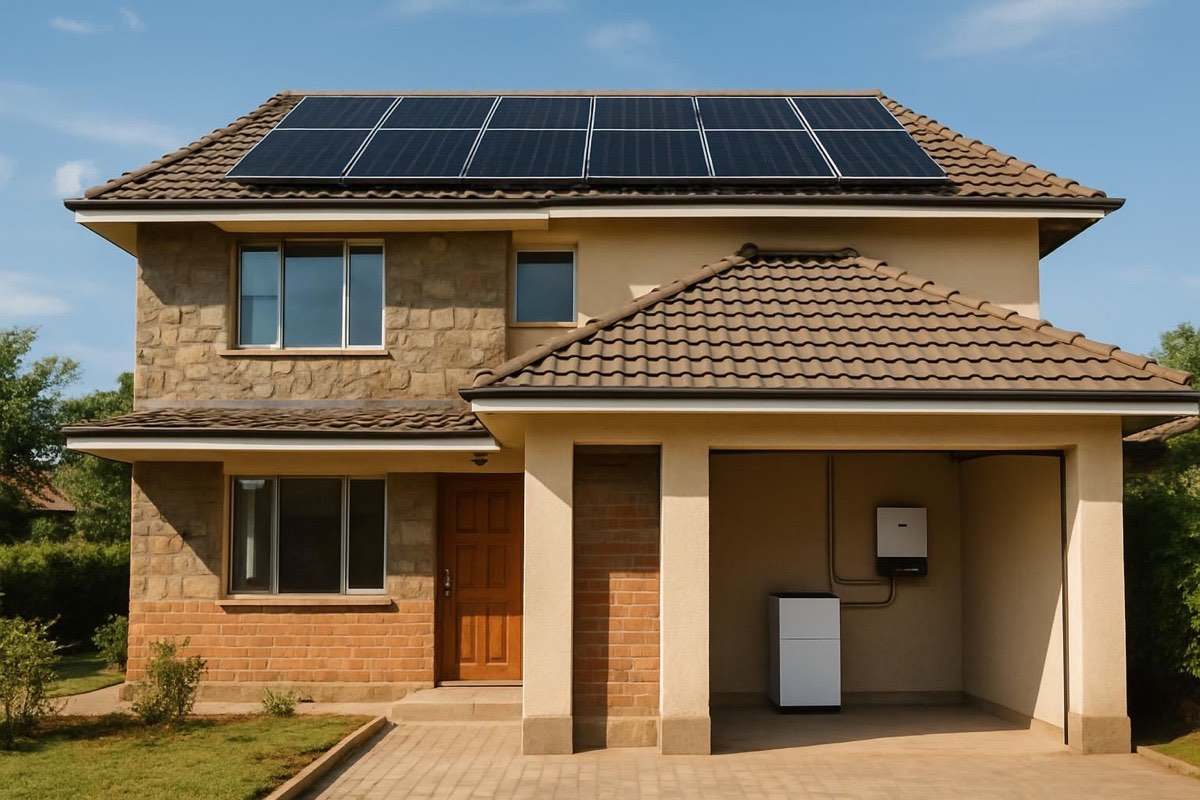
5kW Hybrid Solar System
5kW · ~20–25 kWh/day
Whole-home hybrid system with battery storage, cuts the KPLC bill and rides through blackouts.
FromKES 650,000KES 720,000
Get a quote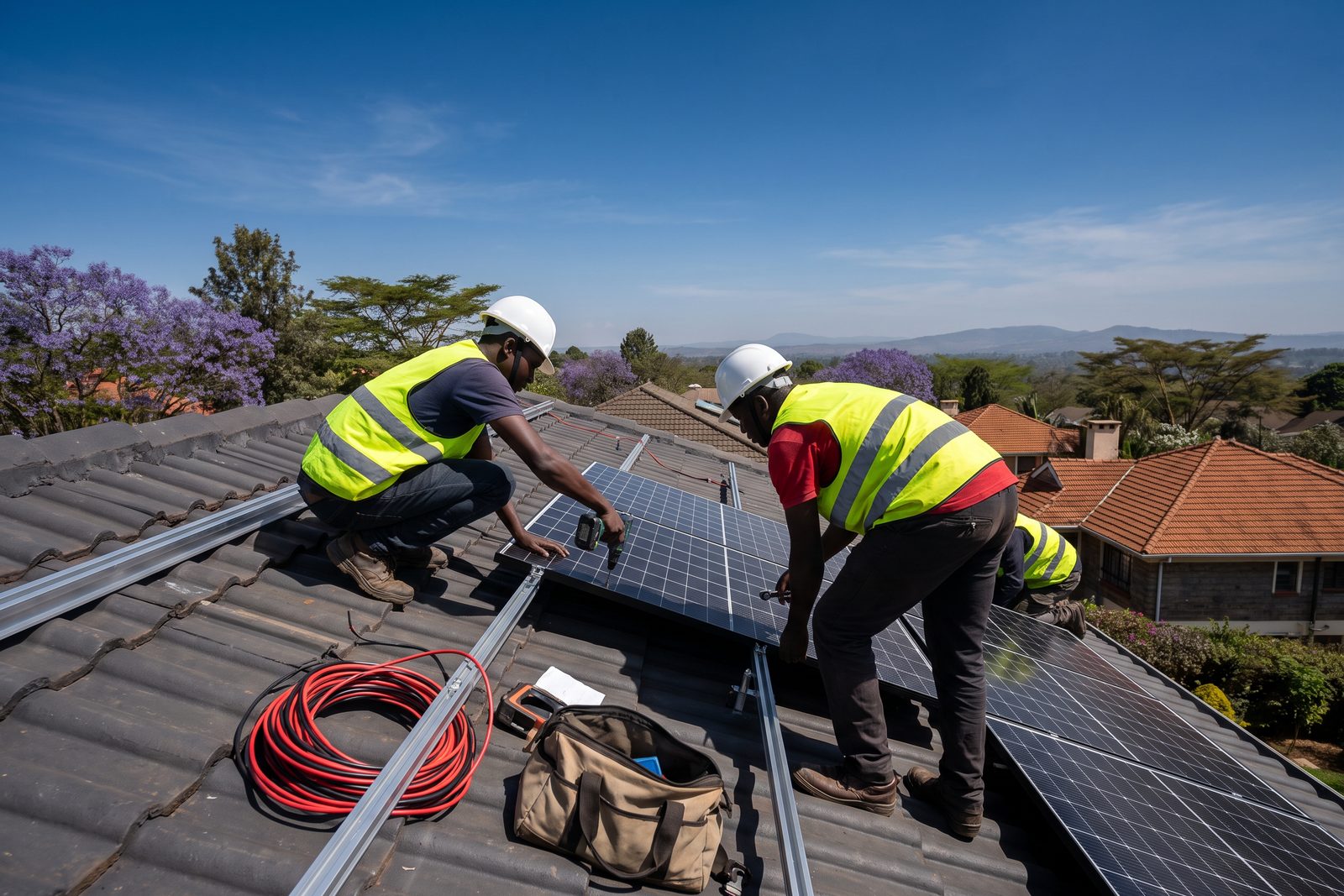
Who we are, how we vet every installer against the EPRA register, and why we only connect you with licensed solar professionals.
✓ Free site survey · installation & delivery countrywide
By Admin · Updated June 2026
EPRA licensed solar installers in Kenya are the only people legally allowed to design, supply and connect a solar PV system, yet most homeowners have no easy way to confirm a contractor actually holds that licence. Solar Company Kenya exists to close that gap. We are an independent matching service: we do not install anything and we hold no licence ourselves. What we do is connect you with vetted, EPRA licensed installers who are right for your home, business or farm.
When you send us your details, we match you with a licensed installer near you who handles the survey, sizing, supply, installation and warranty. We make money when an installer takes on a job we referred, so we have every reason to send you someone who does good work and none to push you toward the cheapest quote. Below we explain exactly how we check each installer, what the EPRA licence classes mean for your project, and what a fair price looks like so you can judge any quote you receive.
5kW · ~20–25 kWh/day
Whole-home hybrid system with battery storage, cuts the KPLC bill and rides through blackouts.
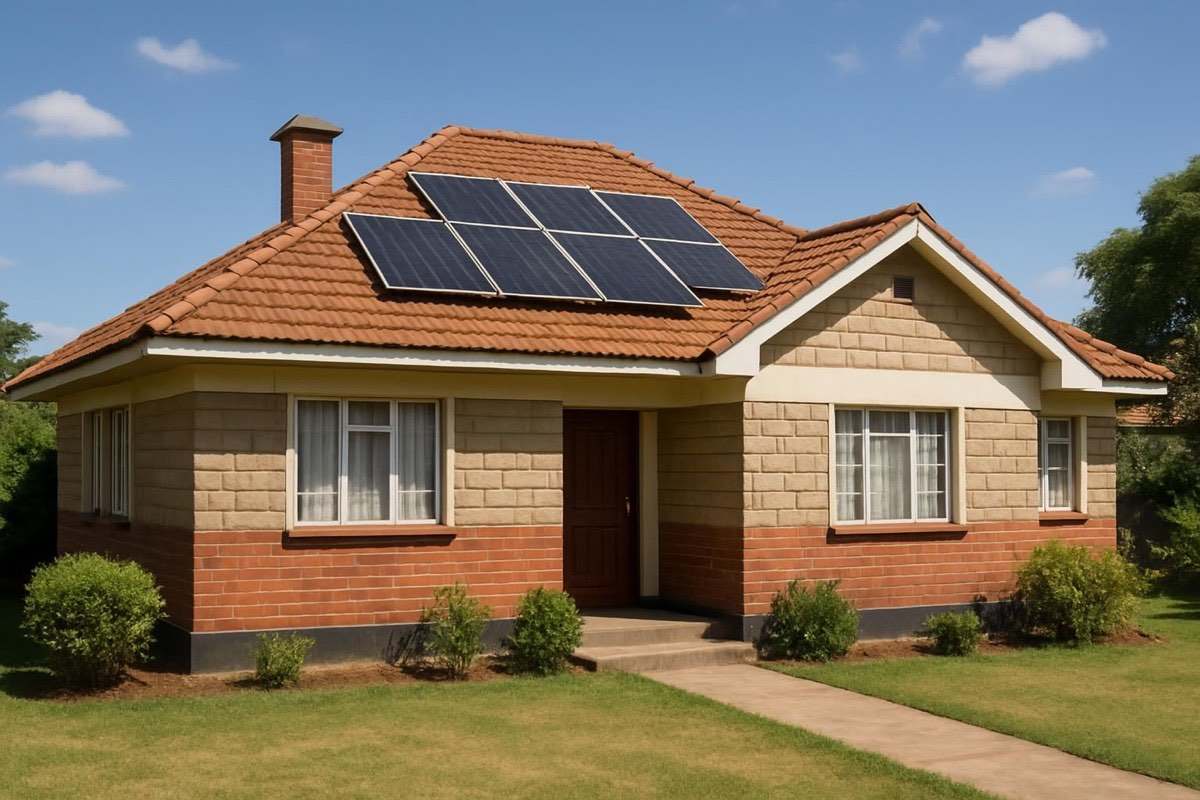
3kW · ~12–15 kWh/day
Popular family system for a 2–3 bedroom home, runs lights, electronics, fridge and small appliances.
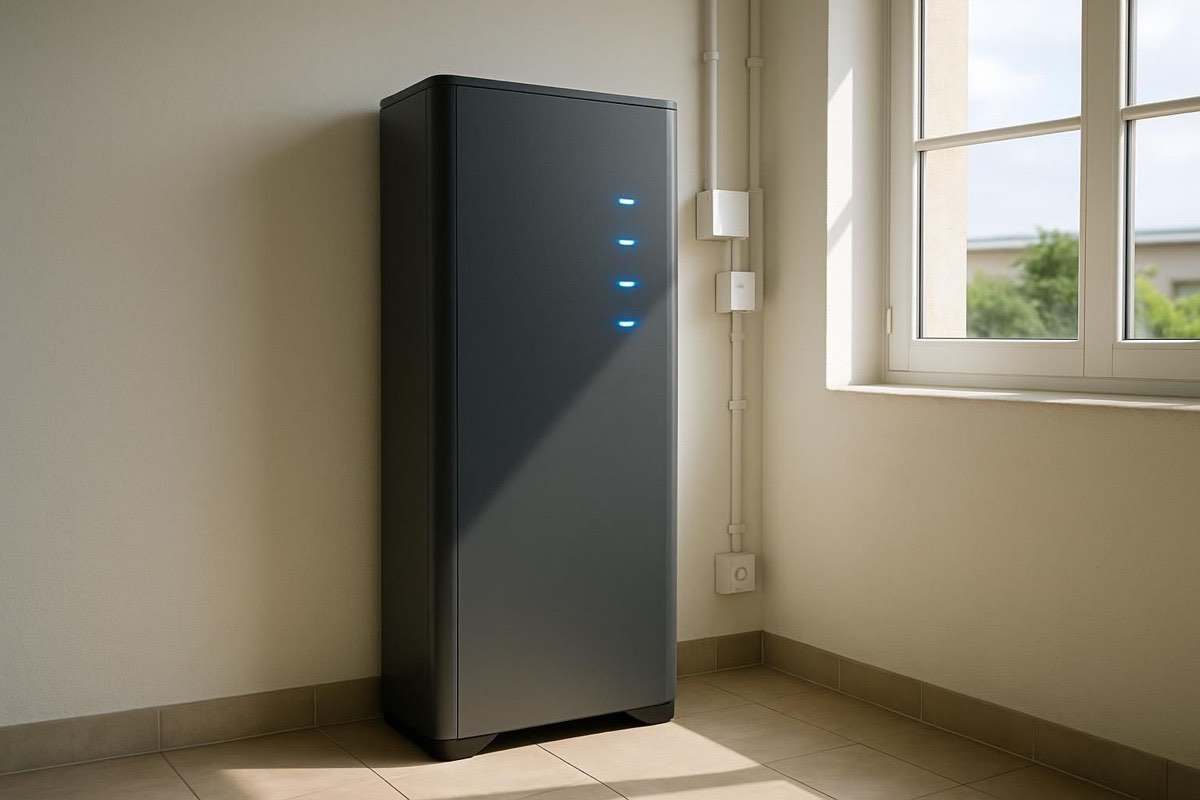
5.12kWh · 48V LiFePO4
Long-life lithium battery, deeper discharge and far longer life than lead-acid.
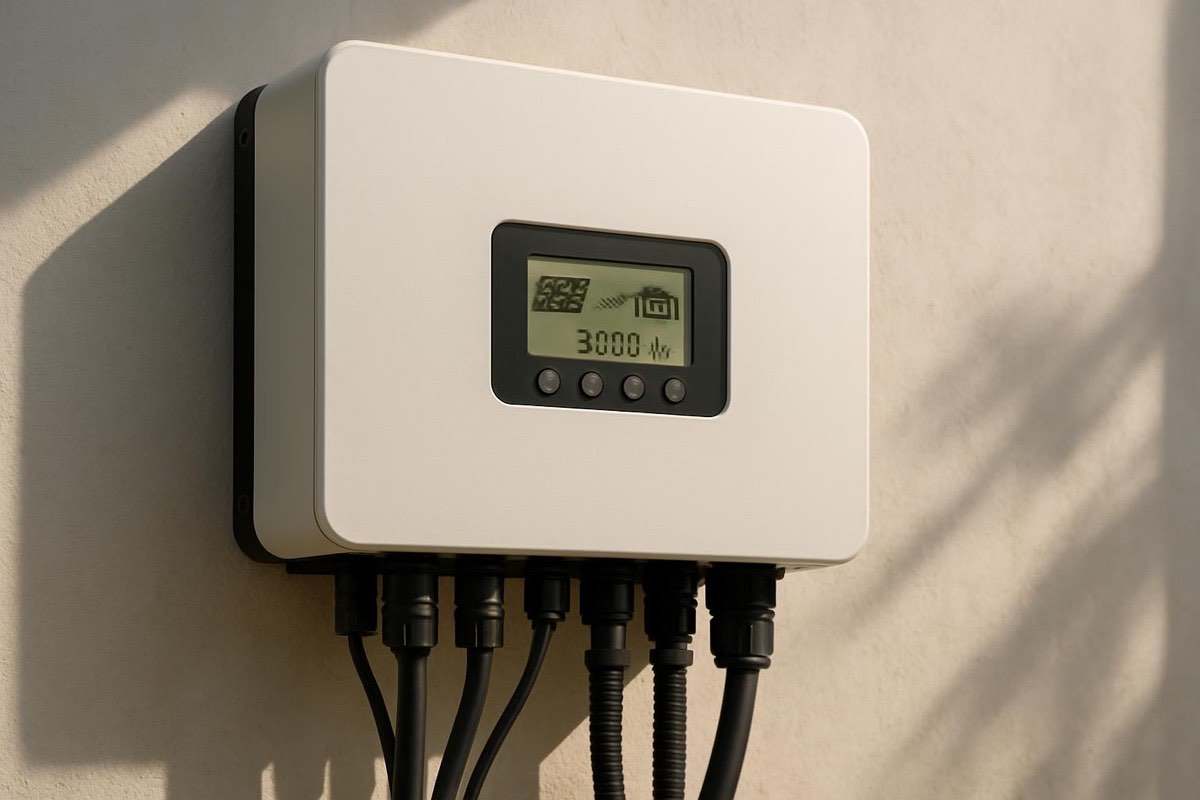
5kW · 48V · MPPT
48V hybrid inverter sized for whole-home systems with lithium battery support.
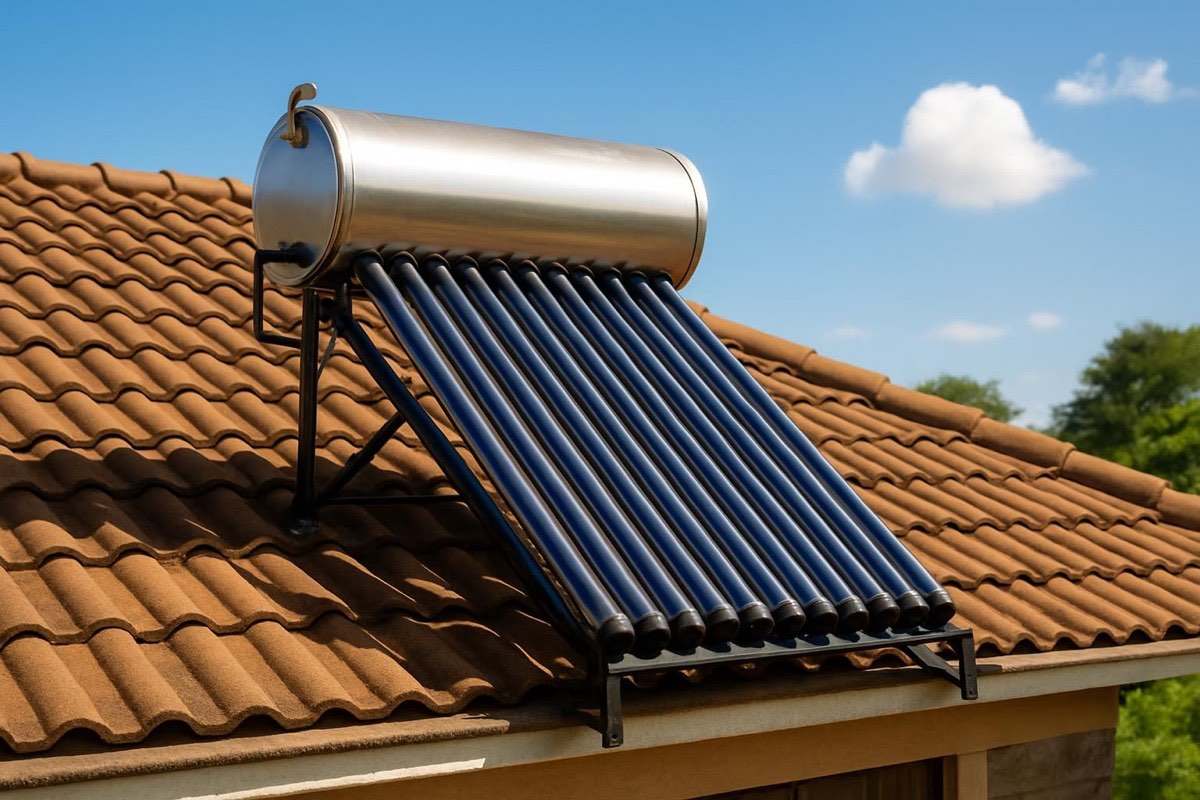
200L · for 4–5 people
Rooftop solar water heater that delivers free hot water for a family home.
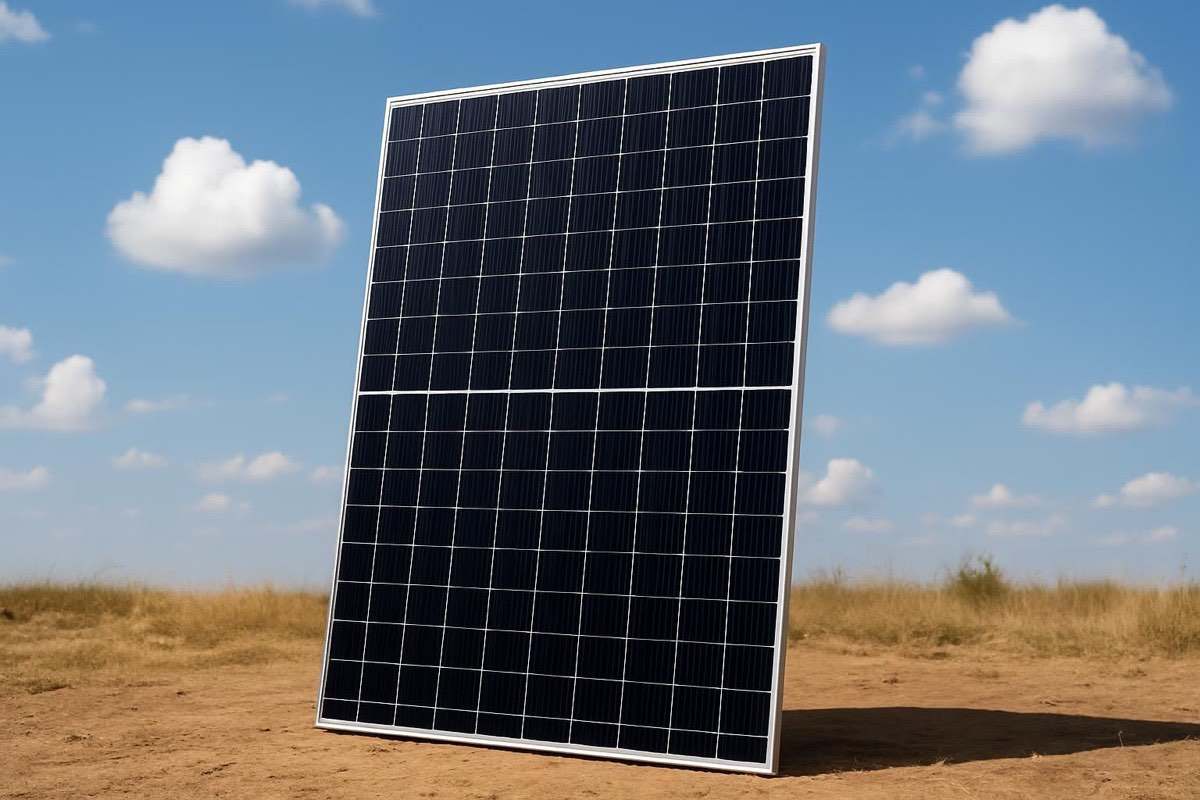
550W · half-cell mono
High-output half-cell panel, fewer panels, more power per square metre of roof.
Every installer we work with is checked against EPRA's public register of active solar PV contractors, vendors and technicians before we ever send them a lead. EPRA, the Energy and Petroleum Regulatory Authority, publishes these registers as downloadable lists, but the lists are just names and licence numbers with no plain explanation of what each one means. We do that reading for you.
Our checks cover four things. First, we confirm the licence is active and not expired, since solar PV licences run for one year and must be renewed. Second, we confirm the licence class matches the work, because a T1 technician licensed up to 400W cannot legally sign off a 5kW home system. Third, we ask for and call recent references on jobs of a similar size to yours. Fourth, we look at how they handle warranty claims and after-sales support, which is where many cheap installers fall down.
You can verify any installer yourself too. Ask for their EPRA licence number, then check it against the register on epra.go.ke. A genuine contractor will give you the number without hesitation. If someone dodges the question or quotes a price that is far below everyone else, treat that as a red flag.
EPRA licenses individuals and companies by the size of system they are allowed to work on, so the right class depends on what you are building. A small home backup system needs a different licence level than a commercial rooftop or a borehole pumping setup on a farm.
The individual technician and engineer classes run roughly as follows: T1 covers systems up to 400W, T2 up to 3kW, T3 up to 50kW, and T4 covers anything above 50kW. Separately, EPRA registers solar PV contractors (the companies that hold a portfolio of licensed staff) and vendors or importers who sell and distribute equipment. For a typical 3kW to 5kW home, you want a contractor whose team includes at least a T2 or T3 holder. For a farm irrigation or commercial system above 50kW, you need a T4 engineer involved.
We match your project to an installer with the correct class so you are never relying on someone working beyond what they are licensed to certify. This matters for safety, for any insurance claim later, and for grid connection if you ever apply for net metering with your local utility.
Competitors who list EPRA registers never tell you what installation should cost, so quotes can feel like guesswork. Here are realistic indicative prices to judge any quote against. A single 300W mono panel runs about KES 16,000. A 5kWh lithium battery is about KES 180,000, and a quality 5kW hybrid inverter is about KES 120,000.
Put together and installed by a licensed contractor, a complete 5kW hybrid system with one 5kWh battery starts from KES 650,000, which suits a four-bedroom home running lights, fridge, TV, pumps and some backup. A smaller 3kW system with a 5kWh battery for a modest home or apartment starts from KES 350,000. A farm or business looking at 10kW with more storage should budget from KES 1,200,000 depending on battery sizing.
These figures include panels, inverter, battery, mounting, cabling, labour and commissioning. Your installer does the exact sizing based on your power bill and appliances, supplies the equipment, and gives you the workmanship and product warranties. We do not sell hardware or set prices; we connect you with the licensed installer who quotes and stands behind the job.
Using Solar Company Kenya is free for you. You tell us your location, roughly what you want to power, and your budget. We match you with one or sometimes two vetted, EPRA licensed installers who cover your area and handle your project size. They contact you to arrange a site survey, then send a written quote.
We stay independent of the sale. The contract, the payment, the equipment supply and the warranty are all directly between you and your installer, never through us. That keeps you protected by the installer's own licence and obligations, and it means you get an honest, written quote. If an installer we referred does poor work, we want to know, because their standing with us depends on keeping our buyers happy.
We cover homes, businesses, farms, schools and rental properties across the country, from Nairobi and Mombasa to Nakuru, Eldoret, Kisumu, Nyeri and the smaller towns in between. Wherever you are, we aim to connect you with a licensed installer who can actually reach your site.
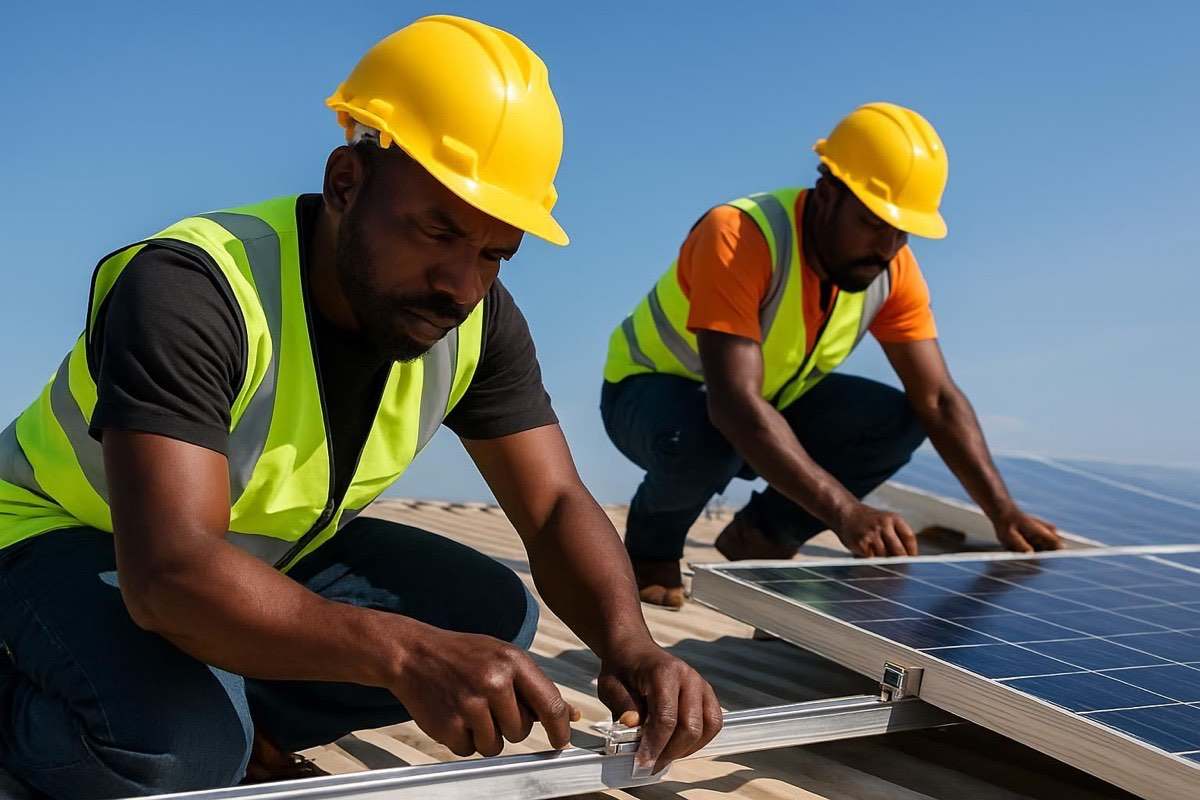
We are independent. We connect you with a vetted, EPRA-licensed installer, arrange your free site survey, and make sure you get a clear, written quote that sets out the system, equipment and warranty.
Answer a few quick questions and we'll connect you with a vetted, EPRA-licensed installer for a free site survey and a clear, written quote. Free site survey · installation & delivery countrywide.
Get my free quoteNo. We are an independent matching service and we hold no EPRA licence. We do not survey, supply or install anything ourselves. We connect you with vetted, EPRA licensed installers who do the actual work, and your contract and warranty are directly with them.
Ask the installer for their EPRA licence number and class, then check it against the public register of active solar PV contractors, vendors and technicians on epra.go.ke. Confirm the licence is current, since licences run one year and must be renewed. Every installer we connect you with has already passed this check.
It depends on size. Individual classes run T1 up to 400W, T2 up to 3kW, T3 up to 50kW and T4 above 50kW. A 3kW to 5kW home wants a contractor with a T2 or T3 holder on staff. A commercial or farm system above 50kW needs a T4 engineer. We match your project to an installer licensed for that capacity.
We do not, because we do not do the work. Your EPRA licensed installer provides the workmanship warranty and passes on the manufacturer warranties for panels, inverter and battery. Always get these in writing before you pay. Panels usually carry a 10 to 25 year performance warranty and lithium batteries around 5 to 10 years.
As a guide, a complete installed 5kW hybrid system with a 5kWh lithium battery starts from KES 650,000, suitable for a typical four-bedroom home. A 3kW system with storage starts from KES 350,000. Individual parts: a 300W panel about KES 16,000, a 5kWh lithium battery about KES 180,000. Your installer sizes and quotes the exact system.
You can certainly find one yourself, but verifying an active EPRA licence, confirming the licence class fits your system size, and checking references takes time and know-how. We do that work first and only send you trusted, licensed installers, so you skip the guesswork and avoid unlicensed contractors whose work can void insurance or fail at grid connection.
No. The service is free to you. We are paid by the installer when they take on a job we referred, which is why we have no reason to push the cheapest quote and every reason to connect you with someone who does reliable work and supports it afterward.
We connect buyers with licensed installers countrywide, including Nairobi, Mombasa, Nakuru, Eldoret, Kisumu, Nyeri, Thika, Machakos and surrounding rural areas. We aim to match you with a licensed installer who can physically reach your site for the survey and installation.
Get matched with vetted, EPRA-licensed installers who survey your roof, size the system to your bills and fit it properly the first time.
View Installation →What solar actually costs in Kenya: panels, inverters, batteries and full systems, with real KES figures and no hidden extras.
View Prices →Complete, ready-sized solar packages with real KES prices: from a 1kW backup unit to a 15kW system for homes, farms and small businesses.
View Solar Systems →