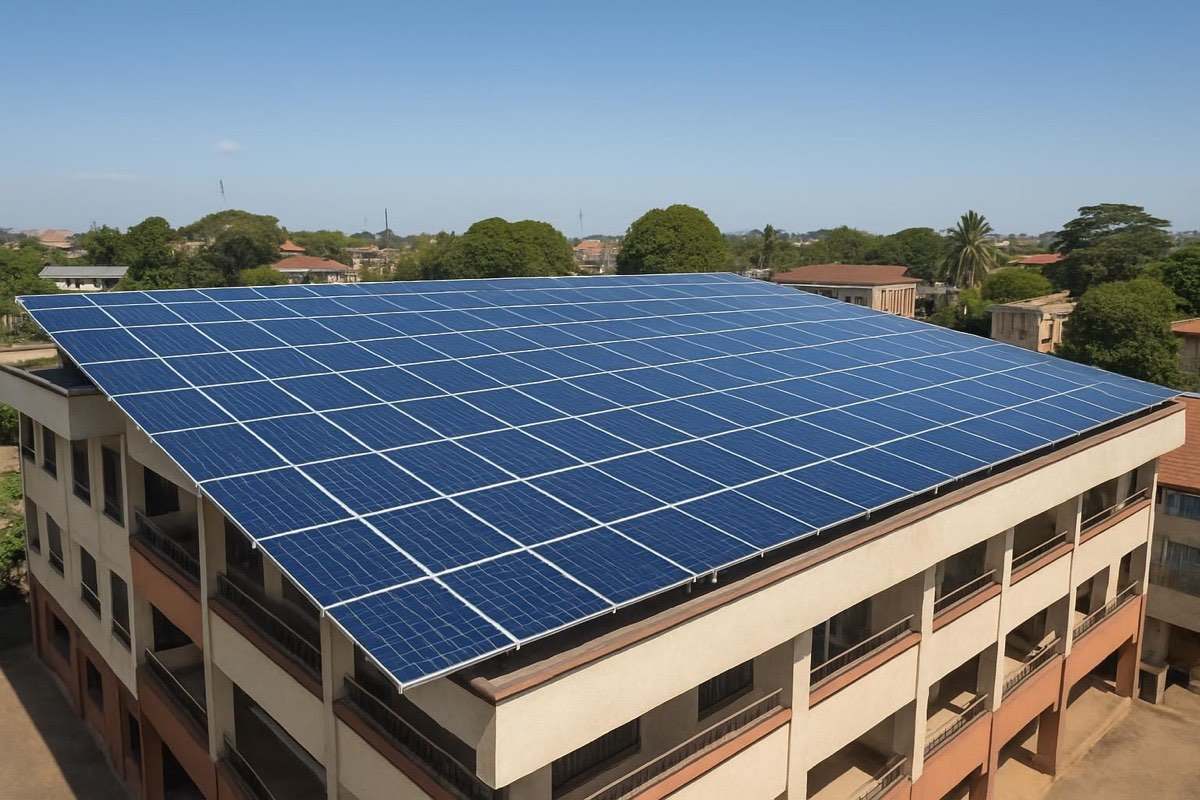
10kW Commercial Solar System
10kW · ~40–50 kWh/day
For shops, offices, schools and clinics, slashes daytime grid costs with optional storage.
FromKES 1,200,000
Get a quote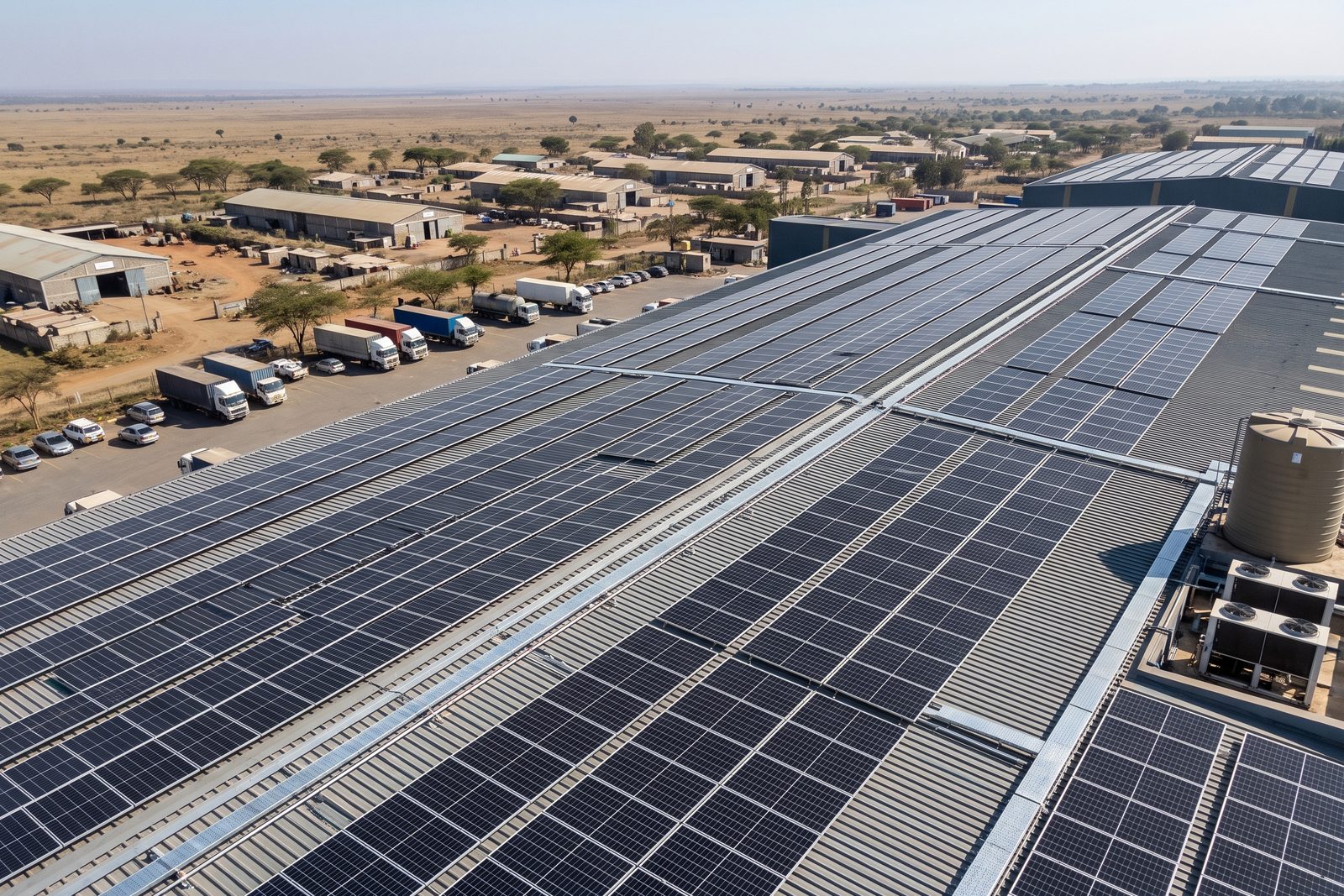
Cut your business's daytime power bill with a right-sized commercial solar system, costed in real KES and built by a vetted, EPRA-licensed installer.
✓ Free site survey · installation & delivery countrywide
By Admin · Updated June 2026
Commercial solar in Kenya is a grid-tied or hybrid system, usually 10kW and upward, that runs your shop, office, school, clinic or factory on daytime sunshine instead of Kenya Power, cutting the daytime portion of your bill by 30 to 60 percent. A 10kW system starts from KES 1,200,000 installed, while larger systems are quoted after a load study and site survey; either way they pay for themselves in roughly 4 to 5 years and keep producing for 25-plus years. Because your demand peaks while the sun is up, most businesses size for daytime load first and add batteries only where blackouts hurt revenue.
Solar Company Kenya is not an installer and holds no licence. We are an independent matching service that connects you with vetted, EPRA-licensed installers who size, supply, install and warranty your system. On this page we give you the real KES prices, system specs and payback figures the brochures leave out, so you can talk to installers already knowing what a fair quote looks like for your premises.
10kW · ~40–50 kWh/day
For shops, offices, schools and clinics, slashes daytime grid costs with optional storage.
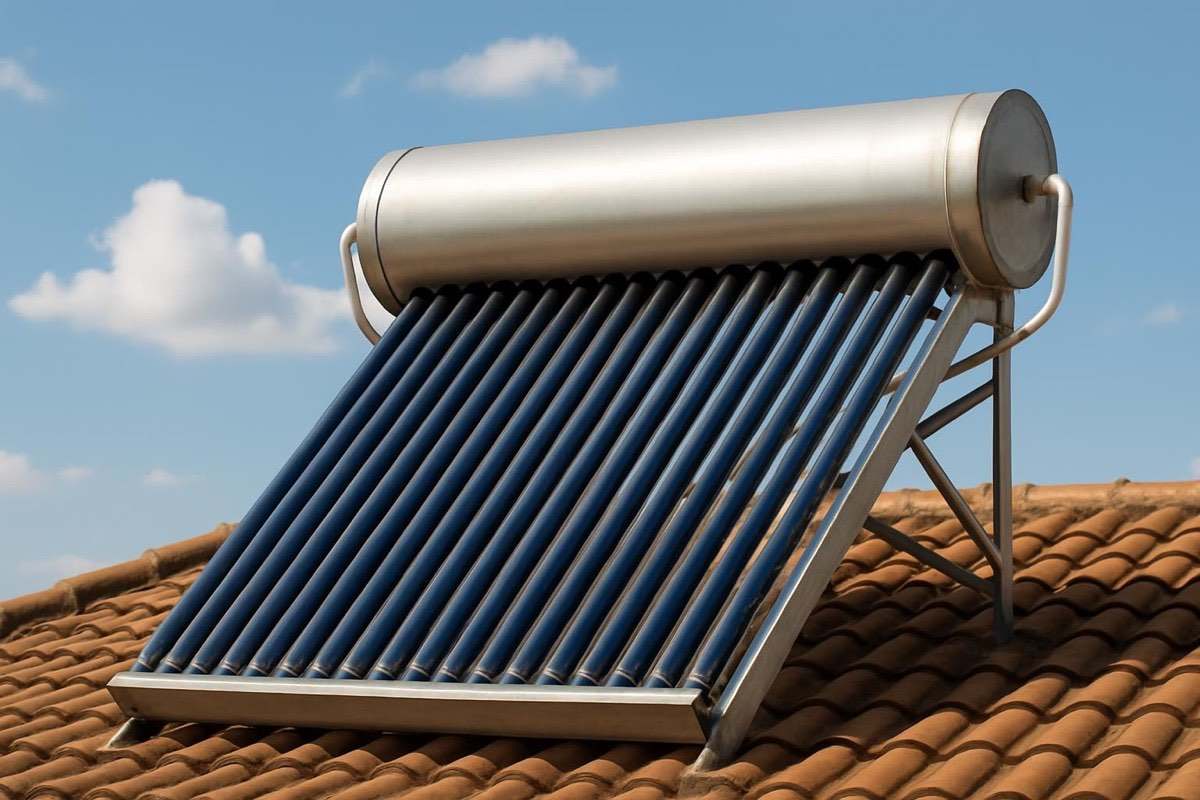
300L · for 6–8 people
Larger-capacity heater for big households, hostels and small institutions.
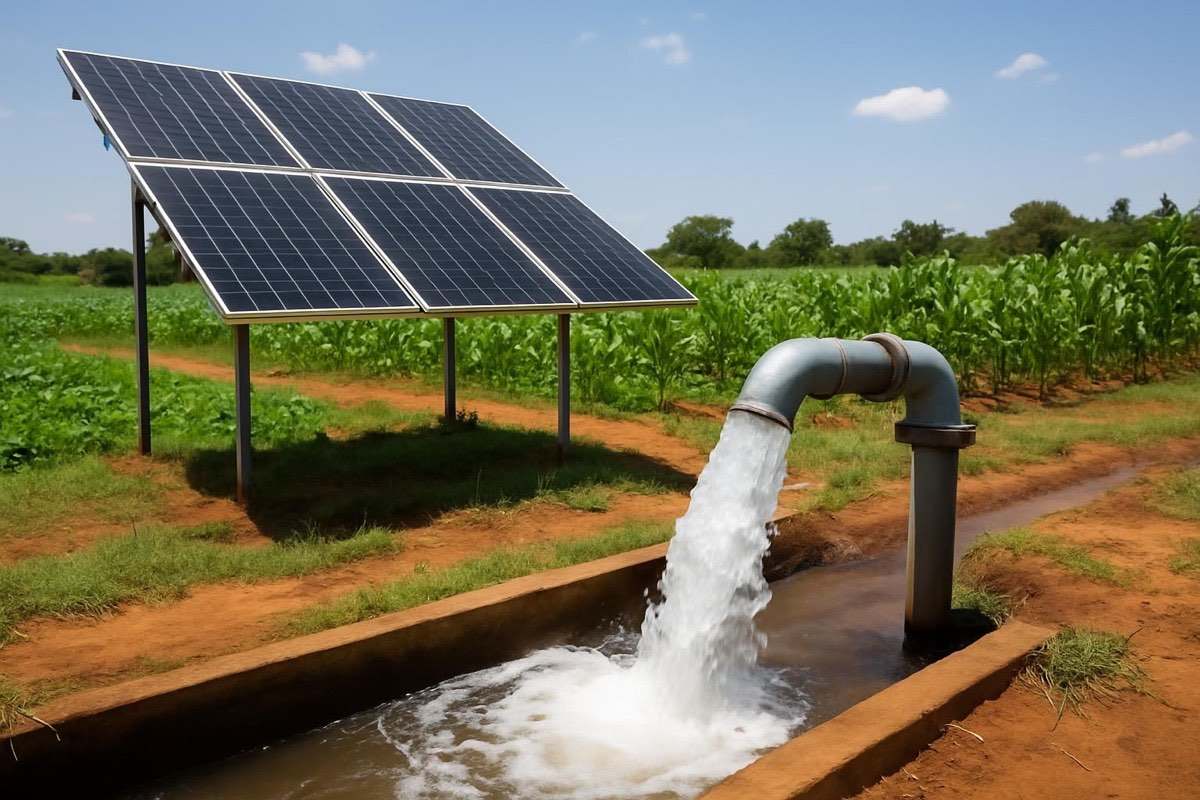
2HP · ~25,000L/day
Higher-head pump kit for deeper boreholes and larger irrigation needs.
The case is simple arithmetic. Commercial tariffs from Kenya Power, including fuel cost charge, forex adjustment and the new fixed charges, push the effective rate well above KES 25 per unit for many small and medium businesses, and higher again once demand charges kick in for larger consumers. A solar unit you generate on your own roof costs you nothing once the system is paid off.
Your load profile also fits the sun. A supermarket runs fridges all day, an office runs ACs and servers from 8 to 5, a welding workshop draws hardest at midday. That daytime demand is exactly when panels produce most, so a grid-tied system offsets your most expensive units without needing a large battery bank.
There is a clear payback story. With daytime bill savings of 30 to 60 percent and most commercial systems landing a 4 to 6 year payback, the system spends two-thirds of its 25-year life as pure profit. Solar equipment is also VAT-exempt and zero-rated for import duty under Kenyan law, which keeps the upfront figure lower than buyers expect.
Prices below are indicative installed costs for grid-tied commercial systems on a standard pitched or flat roof, using Tier-1 panels (about KES 16,000 per 300W panel at retail) and reputable inverters. Your installer will confirm exact figures after a site survey, because roof type, cable runs, switchgear and any battery change the total.
10kW grid-tied: from KES 1,200,000, around 40 to 45 units a day, suited to a small office, clinic or busy retail shop. 20kW grid-tied: around 80 to 90 units a day, suited to a supermarket, mid-size school or guesthouse, quoted after a load study and site survey. 50kW grid-tied: around 200 to 225 units a day, suited to a hotel, college or light manufacturer, quoted after a load study and site survey. 100kW and above moves into industrial territory, also quoted after a load study and site survey, often paired with net metering.
Add storage only where you need it. A 5kWh lithium battery runs about KES 180,000, and a small commercial hybrid block (5kW inverter plus battery) starts from KES 650,000. Schools and clinics that must keep lights, cold chain or boarding facilities running through blackouts justify batteries easily; a daytime-only office often does not.
Solar for schools in Kenya is one of the strongest cases on cost alone. Boarding schools run kitchens, water pumping, lighting and dorms on heavy tariffs, and a 20kW to 50kW system slashes the daytime and pumping load while a battery bank covers evening prep and exams during outages. Many schools fund installs from termly fee savings or a green loan rather than capital reserves.
Clinics and small hospitals need uptime, not just savings. Here your installer designs a hybrid system so vaccine fridges, theatre lights and oxygen concentrators ride through Kenya Power outages without a diesel genset thumping in the background. A 10kW hybrid with 10kWh of battery is a common starting point for a busy outpatient clinic.
Farms and agribusiness sit between the two. Solar water pumping replaces diesel for irrigation and livestock, dairy coolers and egg incubators run on free daytime power, and greenhouses gain reliable fans and lighting. Because farm load is heavily daytime, grid-tied or solar-direct pumping often beats a big battery on payback.
Industrial solar in Kenya, broadly systems above 100kW for factories, cold stores, tea factories and large processors, behaves differently from a rooftop shop install. Demand charges make every offset unit more valuable, three-phase inverters and proper protection are mandatory, and a structural check on the roof or a ground-mount design becomes part of the scope. Expect a longer build: large commercial and industrial sites typically take 6 to 12 weeks from survey to commissioning.
Net metering matters at this scale. Under the Energy Act 2019 and the net-metering regulations, eligible systems up to 1MW can feed surplus daytime generation back to Kenya Power and offset it against later consumption, which improves the economics of a large array that overproduces at noon. Your installer applies for the net-metering agreement and handles the technical sign-off.
Compliance is non-negotiable and worth checking before you sign. Solar installation in Kenya must be done by an EPRA-licensed contractor (classes T1 to T3 for solar PV), the work must pass inspection, and equipment should meet KEBS standards. This is exactly where our matching helps: every installer we connect you with is vetted and EPRA-licensed, so you are not left holding an uncertified job that voids warranties or insurance.
Start with twelve months of Kenya Power bills. Your daytime kWh, your peak demand and your tariff band drive the whole design, and any installer quoting without them is guessing. Pull your usage from the bills or your Kenya Power account before you book a survey.
A proper commercial quote includes the system size in kW, the panel and inverter make and model, whether it is grid-tied or hybrid, any battery capacity in kWh, the production estimate in units per day, the warranty terms (typically 25 years on panels, 5 to 12 on inverters, separate battery cover) and the projected payback. If a quote is missing the specs or the payback math, ask for them.
Tell us your premises type, monthly bill and whether outages cost you money, and we connect you with vetted, EPRA-licensed installers who survey the site and return costed proposals. Your vetted installer supplies and warranties the system, and you keep the savings.
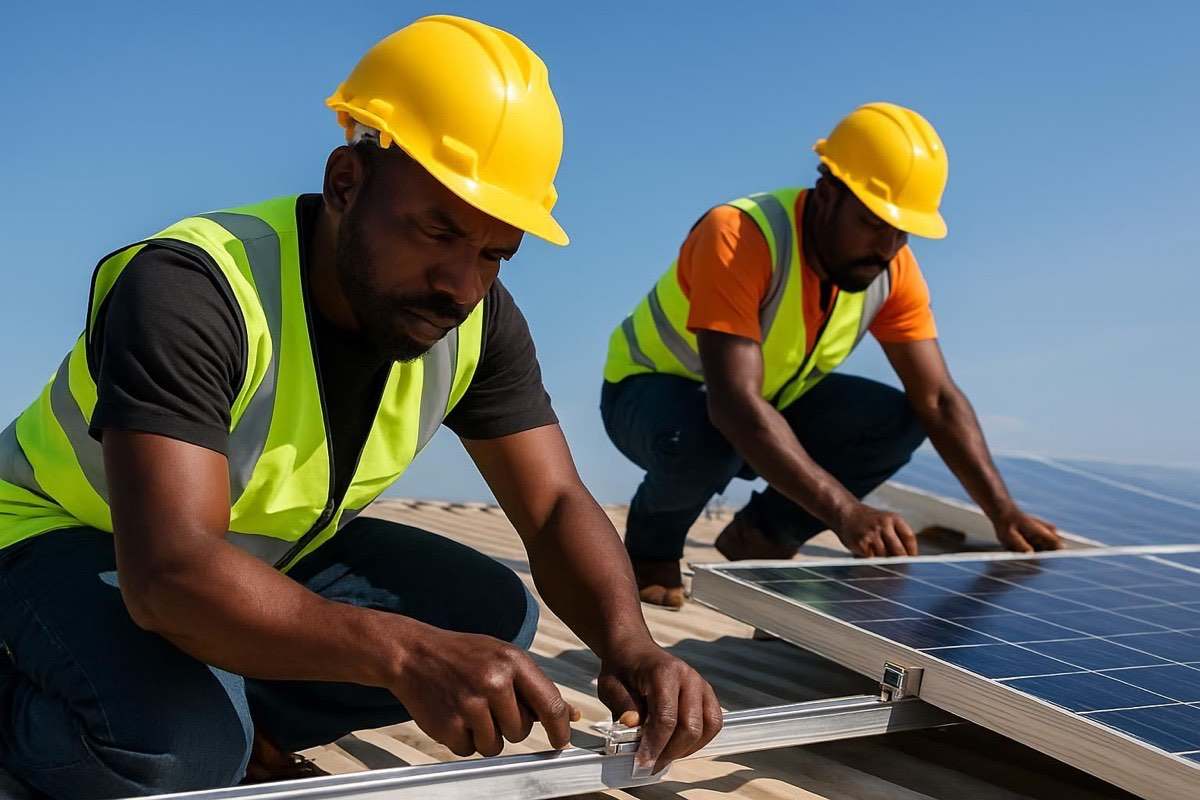
We are independent. We connect you with a vetted, EPRA-licensed installer, arrange your free site survey, and make sure you get a clear, written quote that sets out the system, equipment and warranty.
Answer a few quick questions and we'll connect you with a vetted, EPRA-licensed installer for a free site survey and a clear, written quote. Free site survey · installation & delivery countrywide.
Get my free quoteA 10kW grid-tied system starts from KES 1,200,000. Larger systems of 20kW, 50kW and 100kW and above are quoted after a load study and site survey, since roof type, cabling, switchgear and any storage change the total. Adding a 5kWh lithium battery costs about KES 180,000. Your installer confirms the figure after surveying your site.
Most commercial systems in Kenya pay back in about 4 to 6 years, driven by daytime bill savings of 30 to 60 percent against commercial tariffs above KES 25 per unit. After payback the system keeps producing for the remainder of its 25-plus year life, so the bulk of its lifetime output is effectively free power.
Yes. A 20kW to 50kW system covers the daytime and pumping load of most schools, and a hybrid design with batteries keeps boarding facilities, kitchens and exam lighting running through outages. Clinics use hybrid systems sized to protect vaccine fridges, theatre lights and oxygen concentrators, commonly starting around a 10kW inverter with 10kWh of storage.
Not always. If your demand is mostly daytime, like an office or supermarket, a grid-tied system with no battery gives the best payback because it offsets your most expensive daytime units. You add storage only where blackouts cost you money, such as clinics, cold stores or boarding schools. A 5kWh lithium battery is around KES 180,000.
Under the Energy Act 2019 and the net-metering regulations, eligible systems up to 1MW can feed surplus daytime generation back to the grid and offset it against later consumption. Your EPRA-licensed installer applies for the net-metering agreement with Kenya Power and handles the technical sign-off, which mainly benefits larger systems that overproduce at midday.
A small rooftop system of 10kW to 20kW is often installed in a few days once equipment is on site. Larger commercial and industrial projects of 50kW and above typically take 6 to 12 weeks from site survey through structural checks, procurement, installation and commissioning, plus any net-metering paperwork.
Specified solar equipment is VAT-exempt and zero-rated for import duty under Kenyan law, which keeps the upfront cost lower than many buyers expect. Confirm current treatment with your installer, since the equipment must meet KEBS standards to qualify and the rules are reviewed periodically.
No. Solar Company Kenya is an independent matching service and is not an installer; we hold no licence. We connect you with vetted, EPRA-licensed installers who survey your premises, size the system, supply and install the equipment, and provide the warranties. Your installer gives you a costed proposal.
Complete, ready-sized solar packages with real KES prices: from a 1kW backup unit to a 15kW system for homes, farms and small businesses.
View Solar Systems →Get matched with vetted, EPRA-licensed installers who survey your roof, size the system to your bills and fit it properly the first time.
View Installation →Pump water with free solar power from your borehole, well or river for homes, livestock and farm irrigation.
View Water Pumps →What solar actually costs in Kenya: panels, inverters, batteries and full systems, with real KES figures and no hidden extras.
View Prices →