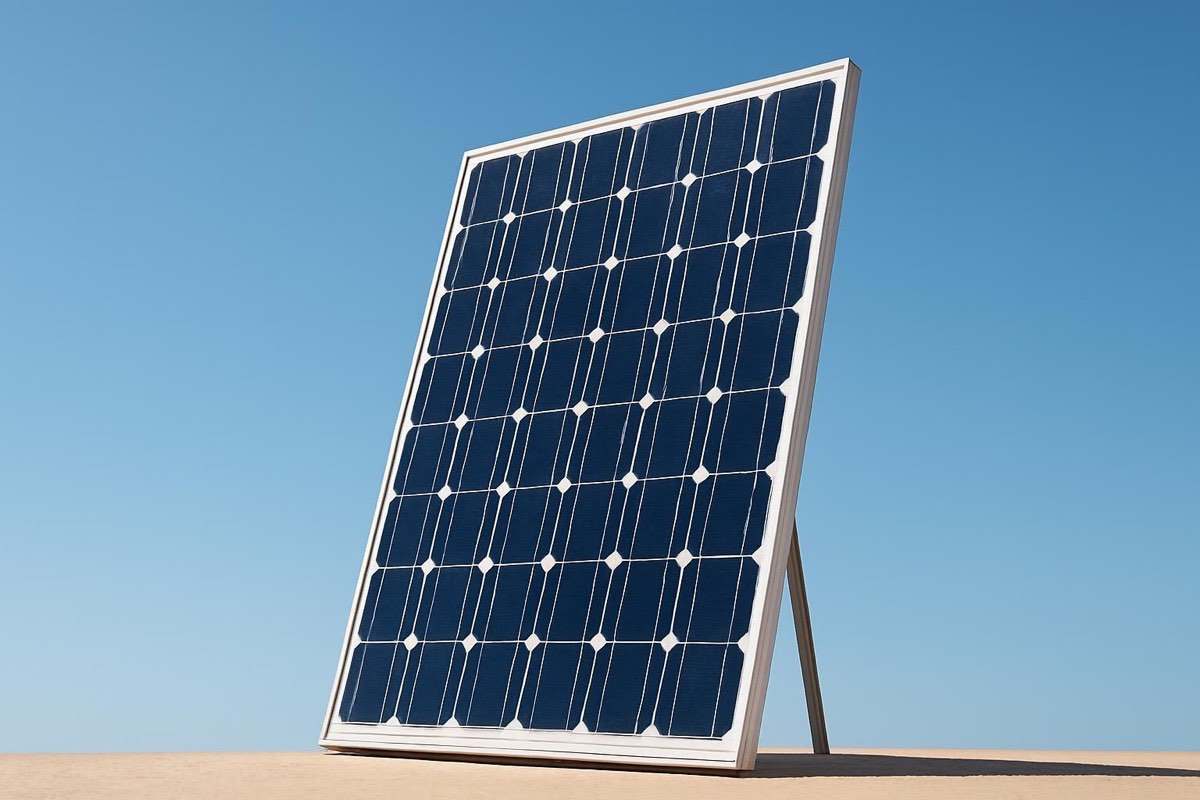
300W Monocrystalline Solar Panel
300W · 24V mono
Reliable mid-size mono panel for small home systems and expansions.
FromKES 16,000
Get a quote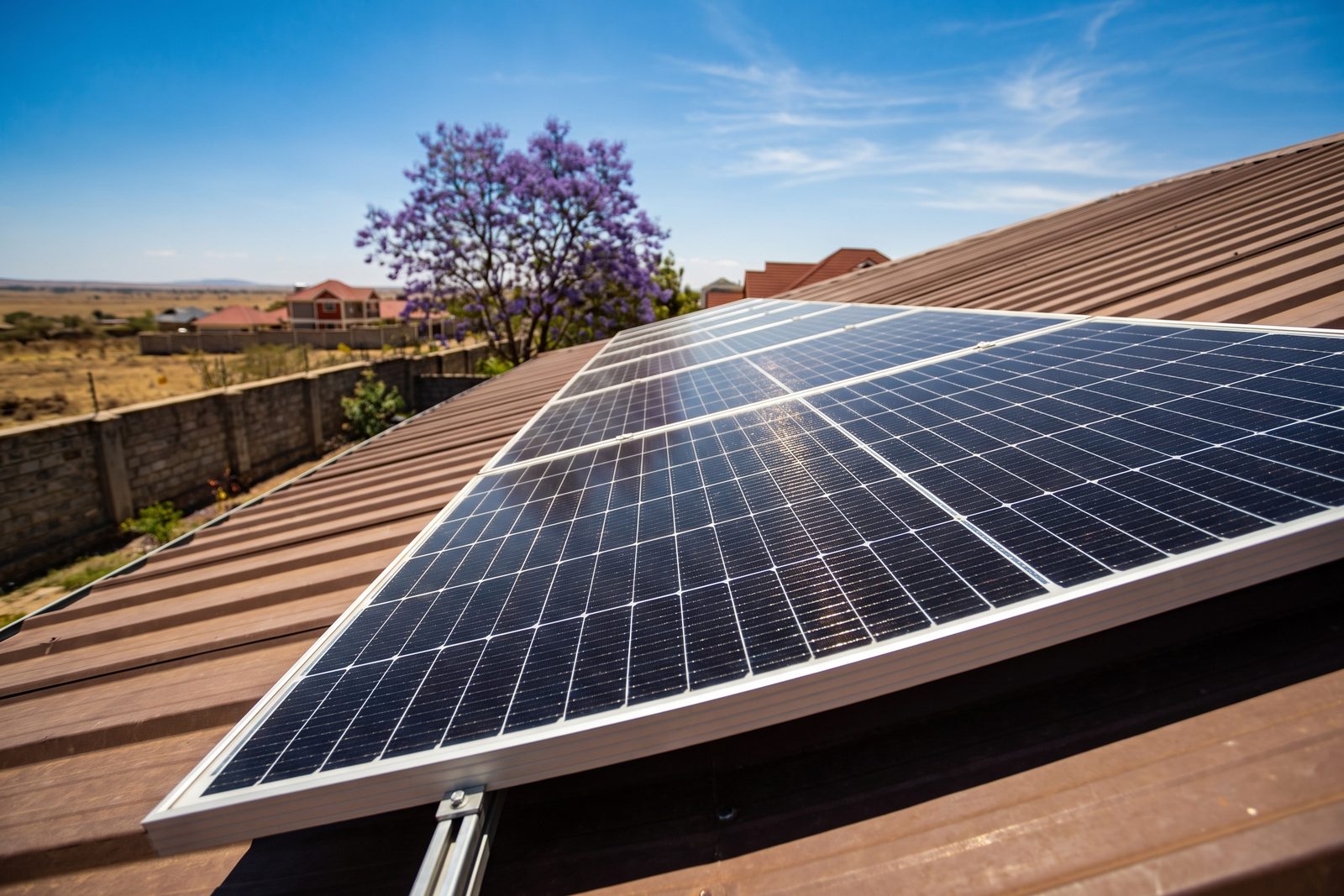
Genuine Tier-1 monocrystalline solar panels priced openly per watt, matched to vetted, EPRA-licensed installers across Kenya.
✓ Free site survey · installation & delivery countrywide
By Admin · Updated June 2026
Solar panels in Kenya now cost far less than most people expect, and prices have kept falling as Tier-1 monocrystalline modules flood the market. A quality 300W panel sells for about KES 16,000, a 450W panel for about KES 24,000, and a 550W module for about KES 28,000. Buy by the watt and the maths gets simple: you are paying roughly KES 50 to KES 55 per watt for genuine, warrantied panels, before the inverter, battery and installation that turn those panels into usable power.
Solar Company Kenya is not an installer. We are an independent matching service that connects you with a vetted, EPRA-licensed installer for a clear, written quote. Your installer sizes the array, supplies the panels and backs the warranty. This page gives you the real KES prices, panel specs and system sizes you need so you walk into those quotes already knowing what good looks like, and book a free site survey when you are ready.
300W · 24V mono
Reliable mid-size mono panel for small home systems and expansions.
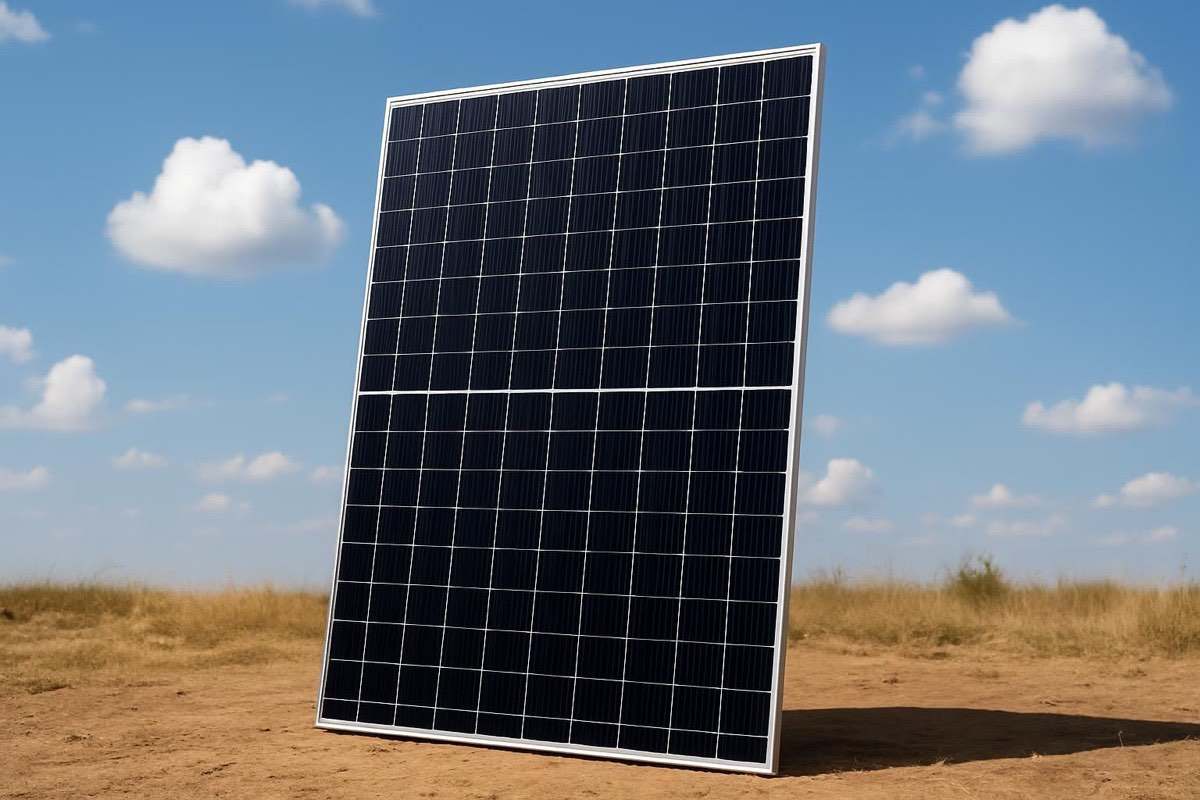
550W · half-cell mono
High-output half-cell panel, fewer panels, more power per square metre of roof.
Pricing splits into two questions: the price of a single panel, and the cost of a full system that actually runs your home. A single Tier-1 monocrystalline panel is the cheap part. Indicative panel-only prices in the Kenyan market right now sit at roughly KES 16,000 for a 300W panel, KES 19,000 for a 370W, KES 24,000 for a 450W, KES 28,000 for a 550W, and KES 36,000 to KES 38,000 for the big 590W to 615W modules. Bifacial versions of those large panels cost a little more for the extra rear-side yield.
A complete system costs more because panels are maybe a third of the bill. The rest is the inverter, battery storage, mounting rails, cabling, protection and labour. As a rough guide: a 1kW backup setup starts from KES 120,000, a 3kW hybrid system from KES 350,000, and a 5kW hybrid system with a 5kWh lithium battery from KES 650,000 installed. Lithium batteries are the single biggest line item after panels, with a 5kWh unit costing about KES 180,000. Your installer prices the exact build after a survey, because roof type, distance from the board and how much night-time backup you want all move the figure.
The cleanest way to judge a panel quote is cost per watt. Genuine Tier-1 monocrystalline panels land at KES 50 to KES 55 per watt in 2026. If a quote prices panels much below KES 45 per watt, ask hard questions: it often signals B-grade cells, used stock, or a wattage rating the panel cannot hold. Much above KES 70 per watt and you are likely overpaying for the same Jinko, JA Solar, Canadian Solar or Trina module sold elsewhere.
Three things move the cost of solar panels in Kenya. First, brand tier: Bloomberg Tier-1 manufacturers cost more than no-name imports but carry real, claimable warranties. Second, wattage density: a 550W panel costs less per watt than a 300W panel and needs less roof space and fewer rails for the same output. Third, technology: standard monocrystalline is the value sweet spot, while bifacial and half-cell PERC or N-type panels add 21 to 22 percent efficiency at a premium. For most Kenyan homes, standard mono panels in the 450W to 550W range give the best price per usable kilowatt.
Almost every panel worth buying in Kenya today is monocrystalline. Monocrystalline solar panels in Kenya deliver 20 to 22 percent efficiency, perform better in the low light of a cloudy Nairobi morning, and pack more watts into less roof, which matters on tight urban rooftops. They carry a uniform black look that most homeowners prefer.
Polycrystalline panels are the older, blue-tinted technology: cheaper per panel but less efficient, so you need more of them and more roof to hit the same output. With monocrystalline prices now so close to poly, the small saving rarely justifies the extra space and lower yield. The one place poly still appears is in very low-budget or rural off-grid kits. For a grid-tied home, farm irrigation pump or business in Kenya, monocrystalline is the default recommendation.
Sizing starts with your daily energy use in kilowatt-hours, not with a panel count. A modest home running lights, a fridge, TV, Wi-Fi and phone charging uses around 5 to 8 kWh a day and is well served by a 3kW system: roughly six to eight 450W panels. A larger home adding water pumps, an electric shower or air conditioning pushes toward 10 to 15 kWh daily and a 5kW system, about ten to twelve 450W panels.
A 5kVA hybrid system with a 5kWh lithium battery will comfortably power a typical four-bedroom Kenyan home's lights, fridge, electronics and a few sockets through the evening and overnight, then recharge the next day from the sun. It is not sized for heavy simultaneous loads like an instant water heater plus AC plus a borehole pump all at once: those need a bigger inverter and more battery. The honest answer to system sizing comes from a load audit, which is exactly what the free survey covers before any installer quotes you.
Two warranties matter on a solar panel. The product warranty (10 to 12 years on Tier-1 panels) covers manufacturing defects. The performance warranty (typically 25 years) guarantees the panel still produces a stated percentage of its rated output decades in, usually 80 to 87 percent after 25 years. Inverters carry 5 to 10 year warranties and lithium batteries 5 to 10 years or a stated cycle count. Get all of these in writing on the quote, with the panel brand and model named.
Installation quality decides whether those warranties ever pay out, which is why EPRA licensing is non-negotiable. Kenyan law requires solar PV installers to hold a valid EPRA licence, and an unlicensed install can void warranties and insurance. We connect you with vetted, EPRA-licensed installers only, and share real pricing up front so you know the cost before you commit. Your chosen installer sizes the system, supplies genuine Tier-1 panels and backs the warranty paperwork. Book a free survey and we match you with installers serving your area.
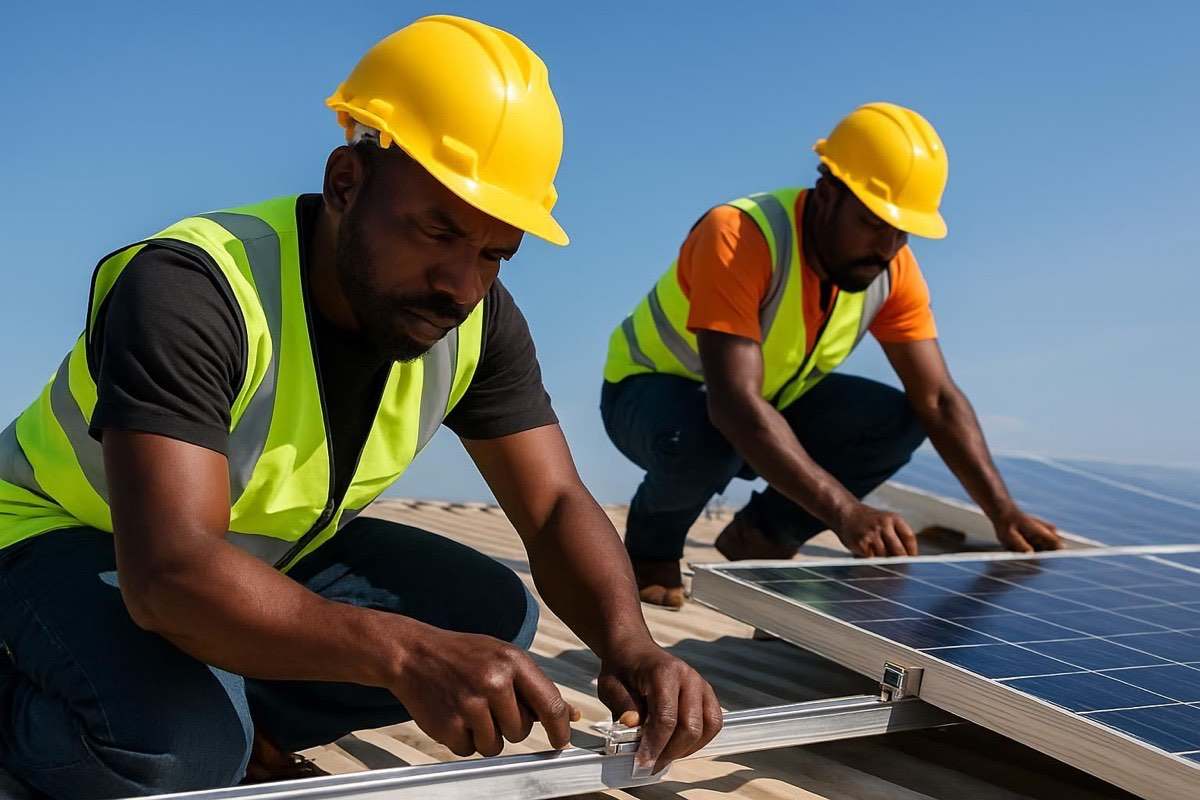
We are independent. We connect you with a vetted, EPRA-licensed installer, arrange your free site survey, and make sure you get a clear, written quote that sets out the system, equipment and warranty.
Answer a few quick questions and we'll connect you with a vetted, EPRA-licensed installer for a free site survey and a clear, written quote. Free site survey · installation & delivery countrywide.
Get my free quoteA single Tier-1 monocrystalline panel costs about KES 16,000 for 300W, KES 24,000 for 450W, and KES 28,000 for a 550W module: about KES 50 to KES 55 per watt. A full installed system costs much more once you add the inverter, battery, mounting and labour, from KES 120,000 for a small 1kW backup to KES 650,000 for a 5kW hybrid with a 5kWh lithium battery.
There is no single 1000W panel; that output comes from combining several panels. To reach about 1000W you would use two 500W or three 370W monocrystalline panels, costing roughly KES 55,000 to KES 60,000 for the panels alone at current Kenyan prices. A complete 1kW system with a small inverter and battery for backup starts from KES 120,000 installed.
A 5kW hybrid solar system with a 5kWh lithium battery costs around KES 650,000 fully installed in Kenya. That covers about ten to twelve 450W monocrystalline panels, a 5kVA hybrid inverter, the battery, mounting, cabling, protection and EPRA-compliant installation. The exact figure depends on battery capacity, roof type and how much overnight backup you need.
A 5kVA system paired with a 5kWh lithium battery will run a typical four-bedroom Kenyan home's lights, fridge, TV, Wi-Fi and sockets through the evening and overnight on stored power, then recharge from the sun the next day. Heavy loads like an instant electric shower, air conditioner or borehole pump running together will drain it far faster and need a larger inverter and more battery. A load audit during the free survey gives you an exact run-time.
Solar panels do not switch off at 25 years; they keep working at slightly reduced output. Tier-1 monocrystalline panels degrade about 0.4 to 0.5 percent a year, so after 25 years they typically still produce 80 to 87 percent of their original rating. The 25-year mark is simply when the performance warranty ends. Most panels run productively for 30 years or more, while the inverter and battery usually need replacing sooner, around the 8 to 12 year mark.
Yes. Monocrystalline panels deliver 20 to 22 percent efficiency, perform better in cloudy and low-light conditions, and fit more watts onto a smaller roof than polycrystalline. With prices now close to poly panels, monocrystalline is the default choice for grid-tied homes, businesses and farms in Kenya.
A typical home using 5 to 8 kWh a day needs a 3kW system, about six to eight 450W panels. A larger home with pumps or air conditioning using 10 to 15 kWh daily needs a 5kW system, around ten to twelve 450W panels. The precise count depends on your appliances, which the free site survey measures before any quote.
Yes. Kenyan regulations require solar PV installation work to be carried out by an EPRA-licensed installer. Using an unlicensed installer can void your panel and inverter warranties and create insurance problems. We connect you only with vetted, EPRA-licensed installers, and your chosen installer handles sizing, supply and warranty paperwork.
Complete, ready-sized solar packages with real KES prices: from a 1kW backup unit to a 15kW system for homes, farms and small businesses.
View Solar Systems →Pure sine-wave hybrid inverters with built-in MPPT: the brain that turns your panels and battery into clean, stable home power.
View Inverters →What solar actually costs in Kenya: panels, inverters, batteries and full systems, with real KES figures and no hidden extras.
View Prices →Get matched with vetted, EPRA-licensed installers who survey your roof, size the system to your bills and fit it properly the first time.
View Installation →