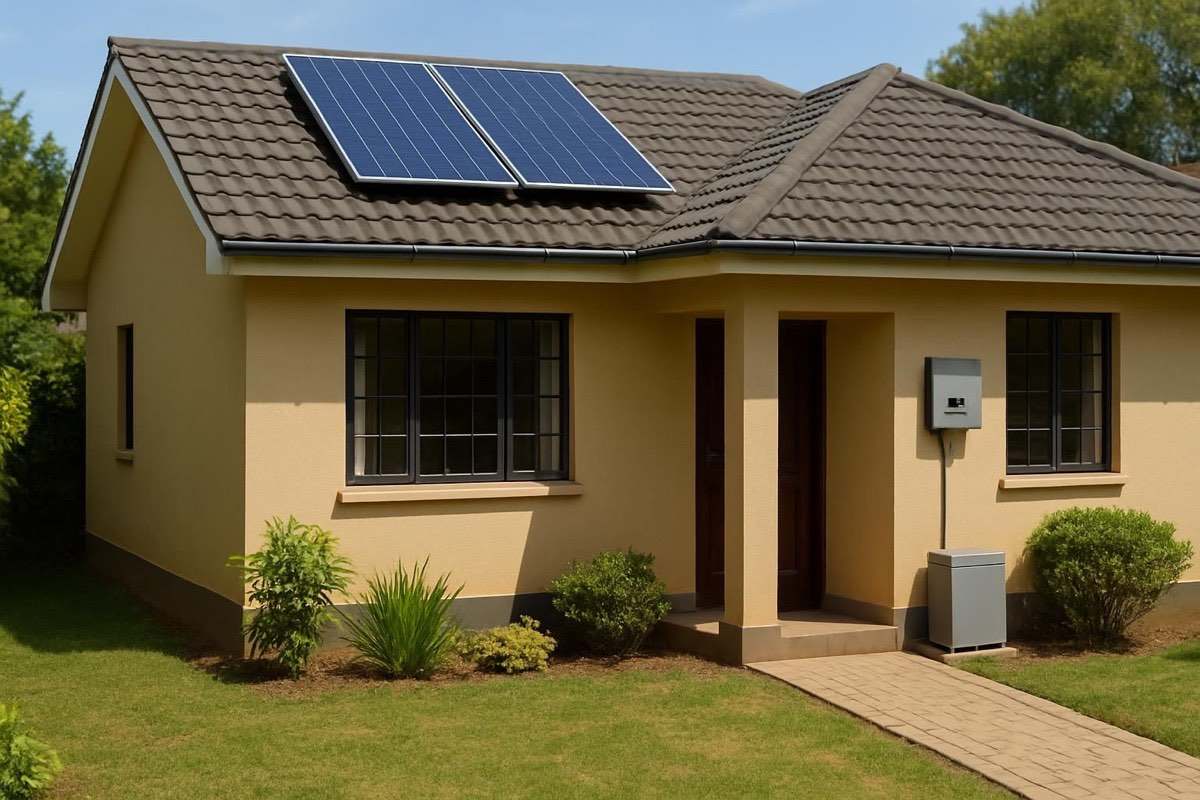
1kW Solar System (Backup)
1kW · ~4–5 kWh/day
Entry backup system that keeps lights, TV, router and phone charging running through outages.
FromKES 120,000
Get a quote
Complete, ready-sized solar packages with real KES prices: from a 1kW backup unit to a 15kW system for homes, farms and small businesses.
✓ Free site survey · installation & delivery countrywide
By Admin · Updated June 2026
A solar power system in Kenya pairs panels, an inverter and usually a battery so your home, farm or shop keeps running on sunlight instead of paying rising Kenya Power bills or burning diesel. Whether you want a small 1kW backup for the lights and TV during outages, or a 10kW to 15kW setup that runs fridges, pumps and an entire business, the right size depends on what you use and when you use it. The figures below are real indicative market prices so you can budget before anyone visits your roof.
Solar Company Kenya is an independent matching service, not an installer. We connect you with vetted, EPRA-licensed installers who size, supply, install and warranty your system. We do not sell hardware or hold a contractor licence ourselves. You tell us your location and rough power needs, and we connect you with a vetted, licensed installer who gives you a written quote with the specs and prices spelt out. The survey and the quotes are free.
1kW · ~4–5 kWh/day
Entry backup system that keeps lights, TV, router and phone charging running through outages.
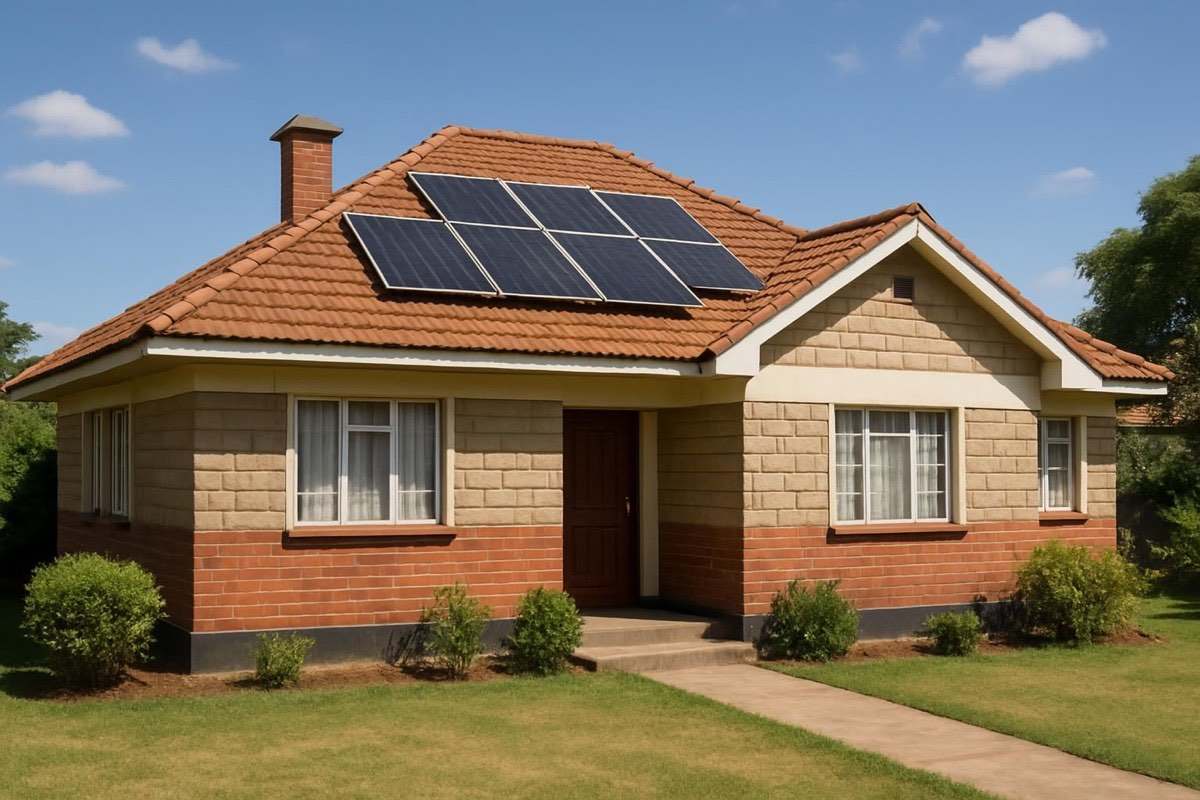
3kW · ~12–15 kWh/day
Popular family system for a 2–3 bedroom home, runs lights, electronics, fridge and small appliances.
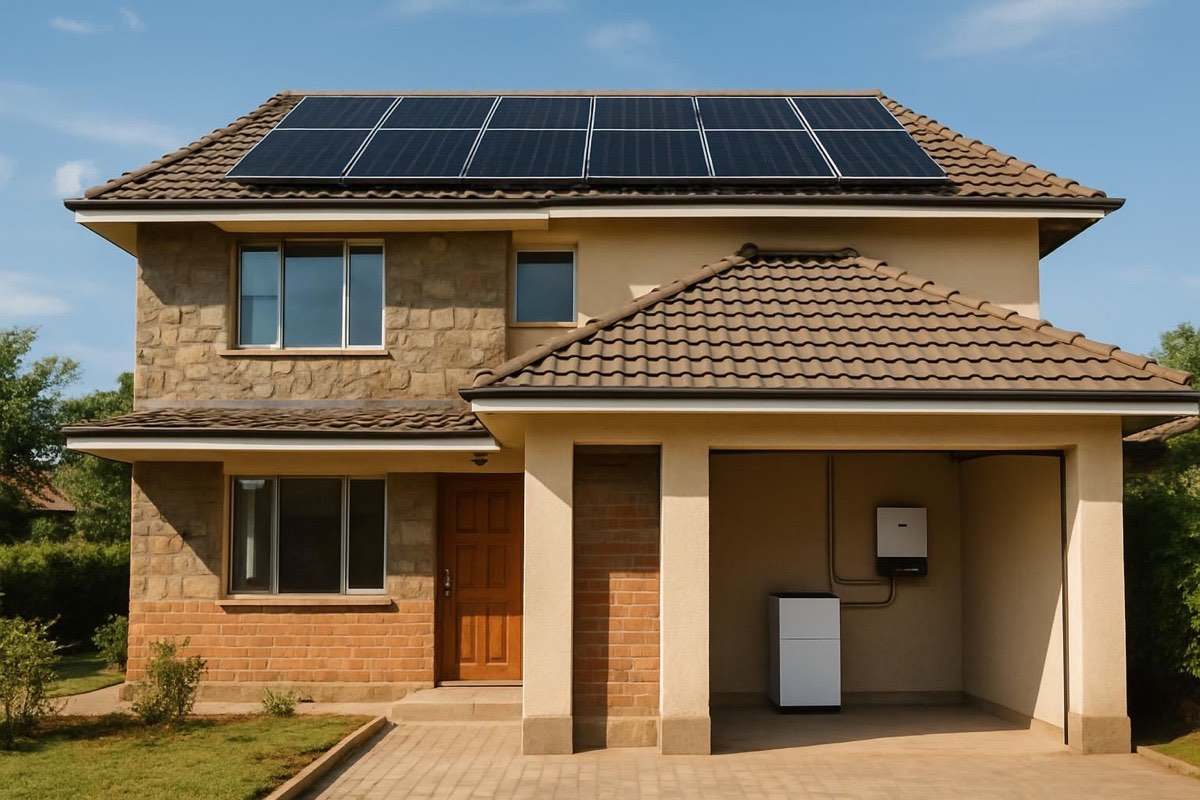
5kW · ~20–25 kWh/day
Whole-home hybrid system with battery storage, cuts the KPLC bill and rides through blackouts.
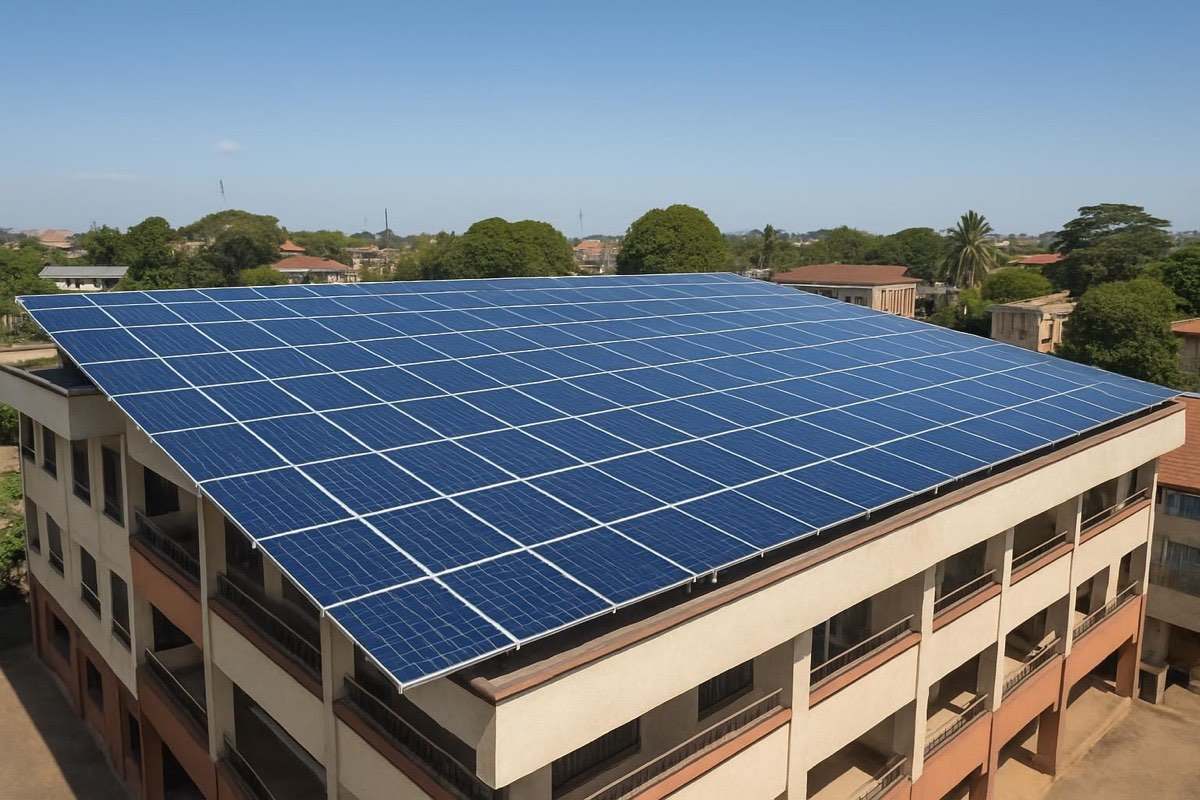
10kW · ~40–50 kWh/day
For shops, offices, schools and clinics, slashes daytime grid costs with optional storage.
The simplest way to choose is by what you run and when. A 1kW system (about 3 to 4 panels of 300W, a small inverter and one battery) covers lights, phone charging, a TV, a router and a fan, starting from KES 120,000 installed. It is a backup, not a whole-house solution.
A 3kW system (around 10 panels, a 3kVA hybrid inverter and a 5kWh battery) is the popular middle-class home choice, starting from KES 350,000. It comfortably runs lights, a fridge, a TV, a home theatre, an iron box used carefully and Wi-Fi. A 5kW system from KES 650,000 adds a washing machine, a microwave, a water pump and a second fridge, which is why it is the most requested package in Kenya.
Going bigger: a 10kW system from KES 1,200,000 suits large homes, guesthouses and farms with deep-well pumps and cold storage, while a 15kW system for small businesses, shops with multiple fridges, CCTV and electric fencing is quoted after a load study and site survey. Your installer confirms the exact size after checking your meter readings and appliance list, because two homes with the same roof can have very different loads.
A complete solar system in Kenya is more than panels. A standard package includes monocrystalline panels (a 300W to 410W panel costs around KES 16,000 to KES 18,000), a hybrid inverter sized in kVA, a battery bank, mounting rails, a surge protector, breakers, cabling and the labour. Skipping any one of these is how cheap quotes hide future repair costs.
Batteries are the biggest price driver. A 5kWh lithium (LiFePO4) battery costs about KES 180,000 and lasts 8 to 12 years with daily cycling, while lead-acid or gel banks are cheaper upfront (a 200Ah deep-cycle battery is about KES 38,000) but need replacing every 2 to 4 years. Over ten years lithium is usually the cheaper choice despite the higher sticker price. Ask your installer to quote both so you can see the difference.
Inverters are rated in kVA, not kW, so a 5kW hybrid inverter (about KES 120,000) is what pairs with a 5kW array. Hybrid inverters let you use solar, battery and Kenya Power together and switch automatically during outages. Your installer specifies the brand, the warranty and the firmware, and they remain responsible for the warranty claim, not us.
Hybrid is the default for most Kenyan homes. It uses solar and a battery but keeps a Kenya Power connection as backup, so cloudy weeks and heavy loads never leave you dark. You still get a smaller bill, plus full backup during the frequent outages many estates and rural areas face.
Off-grid means no Kenya Power at all, with the battery carrying you overnight. It makes sense for farms, boreholes and sites far from the grid where a new connection costs more than the panels. Off-grid needs a bigger battery bank and careful sizing, so the upfront cost is higher but you owe Kenya Power nothing.
Grid-tied (no battery) is the cheapest per kilowatt and best for businesses that consume most of their power during the day. Under EPRA net-metering rules, systems up to 1MW can feed surplus back and offset future bills, though approval and a net-metering meter are required. Most homes choose hybrid because grid-tied alone gives no outage backup. Your installer advises which fits your usage pattern and handles any EPRA and Kenya Power paperwork.
Payback depends on your current bill. A home replacing a KES 8,000 monthly Kenya Power bill with a KES 650,000 hybrid system recovers the cost in roughly 6 to 8 years, and the panels keep producing for 25 years. Businesses ditching diesel generators often see payback inside 3 to 4 years because diesel and maintenance are so expensive.
Paying cash is not the only route. Several Kenyan banks and SACCOs offer green-energy or asset loans, some suppliers run pay-as-you-go and instalment plans (Sun King-style PAYG is common for small systems), and M-KOPA-style financing exists for entry-level kits. Ask the installers we connect you with whether they have a financing partner, since terms vary widely.
Before signing, confirm five things: the installer holds a valid EPRA T3 solar licence, the panel and inverter brands and their warranties are written into the quote, the battery chemistry and cycle life are stated, the quote itemises every component rather than a single lump sum, and there is a workmanship warranty on the installation. A licensed installer will put all of this in writing. We only pass you to companies that meet these checks.
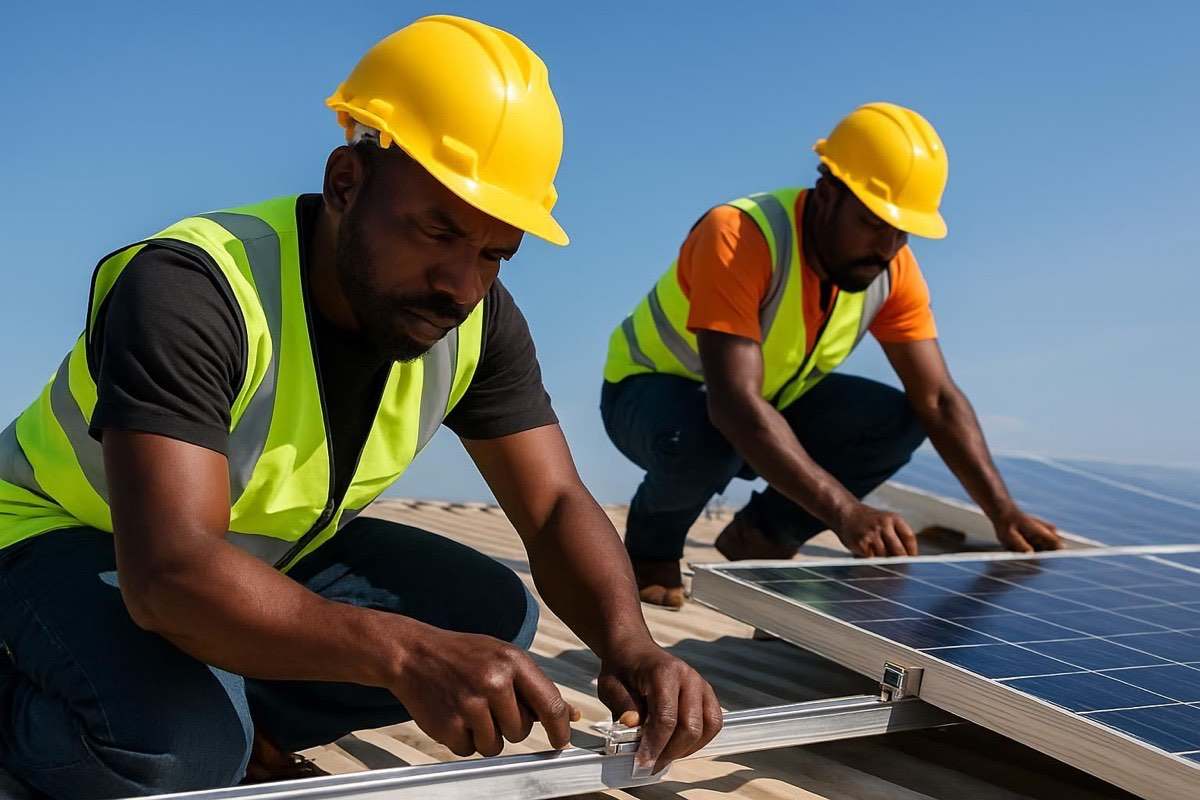
We are independent. We connect you with a vetted, EPRA-licensed installer, arrange your free site survey, and make sure you get a clear, written quote that sets out the system, equipment and warranty.
Answer a few quick questions and we'll connect you with a vetted, EPRA-licensed installer for a free site survey and a clear, written quote. Free site survey · installation & delivery countrywide.
Get my free quoteA complete 5kW hybrid solar system in Kenya starts from KES 650,000 installed, including around 15 panels, a 5kW hybrid inverter, a lithium battery (a 5kWh LiFePO4 unit is about KES 180,000), mounting and cabling. Lead-acid battery versions are cheaper upfront but cost more over ten years. Your installer confirms the final price after a site survey.
A 3kW solar system starts from KES 350,000 fully installed, with roughly 10 panels, a 3kW hybrid inverter and a 5kWh battery. It is the common pick for a middle-class home running lights, a fridge, a TV, a home theatre and Wi-Fi. The exact figure depends on battery type and brand, which your installer specifies in the quote.
A 3kW system comfortably runs LED lighting throughout the house, one fridge, a TV and home theatre, a router, phone charging and a fan, plus an iron box or microwave used briefly. It is not sized for a washing machine, water pump and two fridges running together; for that you want 5kW or more. Running heavy appliances one at a time stretches a 3kW system further.
A complete solar system includes monocrystalline panels (a 300W panel is about KES 16,000), a hybrid inverter rated in kVA, a battery bank (lithium or gel), mounting rails, a surge protector, breakers, cabling and professional installation. A quote that lists each of these separately is more trustworthy than a single lump-sum figure that may leave parts out.
Hybrid suits most homes because it keeps a Kenya Power connection as backup for cloudy weeks and heavy loads while cutting your bill and giving full power during outages. Off-grid suits farms and remote sites where a grid connection is costly or unavailable, but it needs a larger battery bank and higher upfront spend. Your installer recommends the right one for your usage.
For a home replacing an KES 8,000 monthly Kenya Power bill with a KES 650,000 system, payback is roughly 6 to 8 years, with panels lasting 25 years. Businesses replacing diesel generators often recover the cost within 3 to 4 years because diesel and servicing are so expensive. Higher current bills mean faster payback.
Yes, under EPRA net-metering regulations, grid-tied systems up to 1MW can feed surplus electricity back to the grid to offset future bills. You need EPRA approval and a net-metering meter, and the process takes time. A licensed installer handles the application and the Kenya Power liaison as part of a grid-tied or hybrid installation.
No. Solar Company Kenya is an independent matching service, not an installer, and we hold no contractor licence. We connect you with vetted, EPRA-licensed installers who size, supply, install and warranty your system. You get a free site survey and a written quote, and the licensed installer carries all responsibility for the work and warranties.
Get matched with vetted, EPRA-licensed installers who survey your roof, size the system to your bills and fit it properly the first time.
View Installation →Pure sine-wave hybrid inverters with built-in MPPT: the brain that turns your panels and battery into clean, stable home power.
View Inverters →Long-life lithium and deep-cycle batteries that store your solar power for the evening hours and for blackouts.
View Batteries →What solar actually costs in Kenya: panels, inverters, batteries and full systems, with real KES figures and no hidden extras.
View Prices →