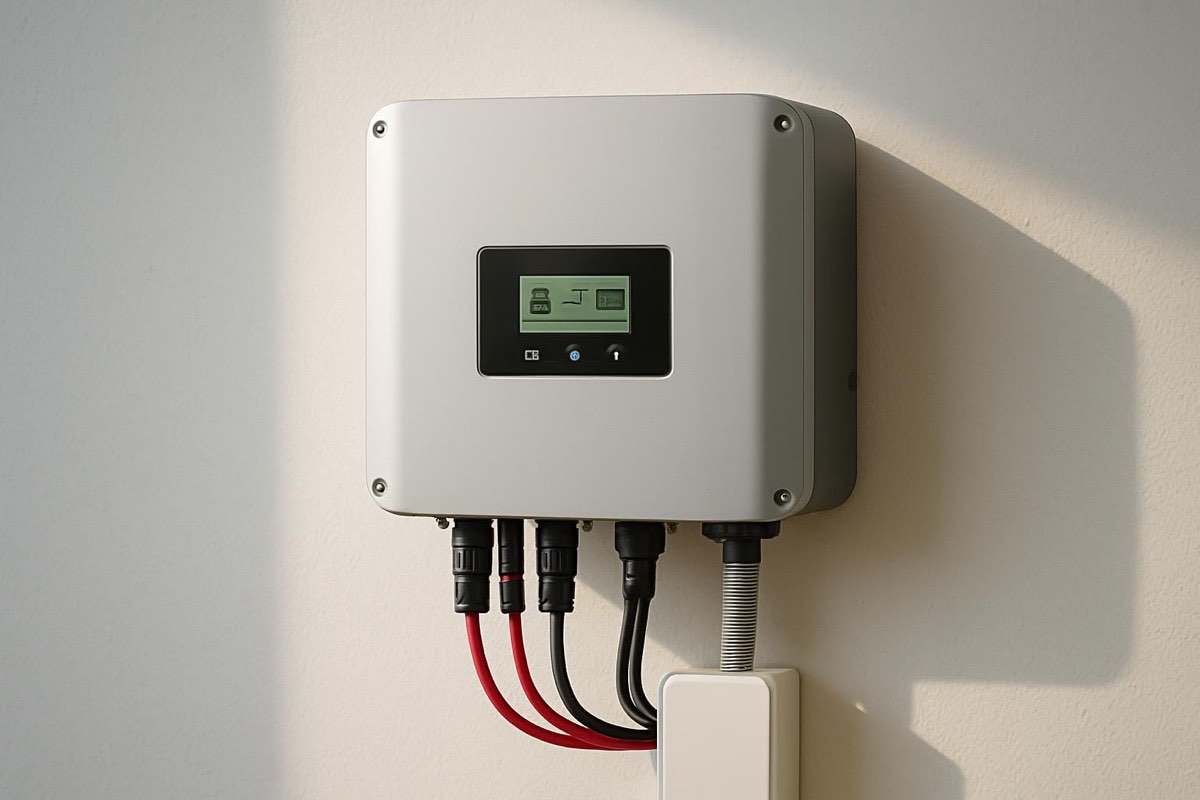
3kW Hybrid Solar Inverter
3kW · 24V · MPPT
Pure sine-wave hybrid inverter with built-in MPPT charge controller for home systems.
FromKES 75,000
Get a quote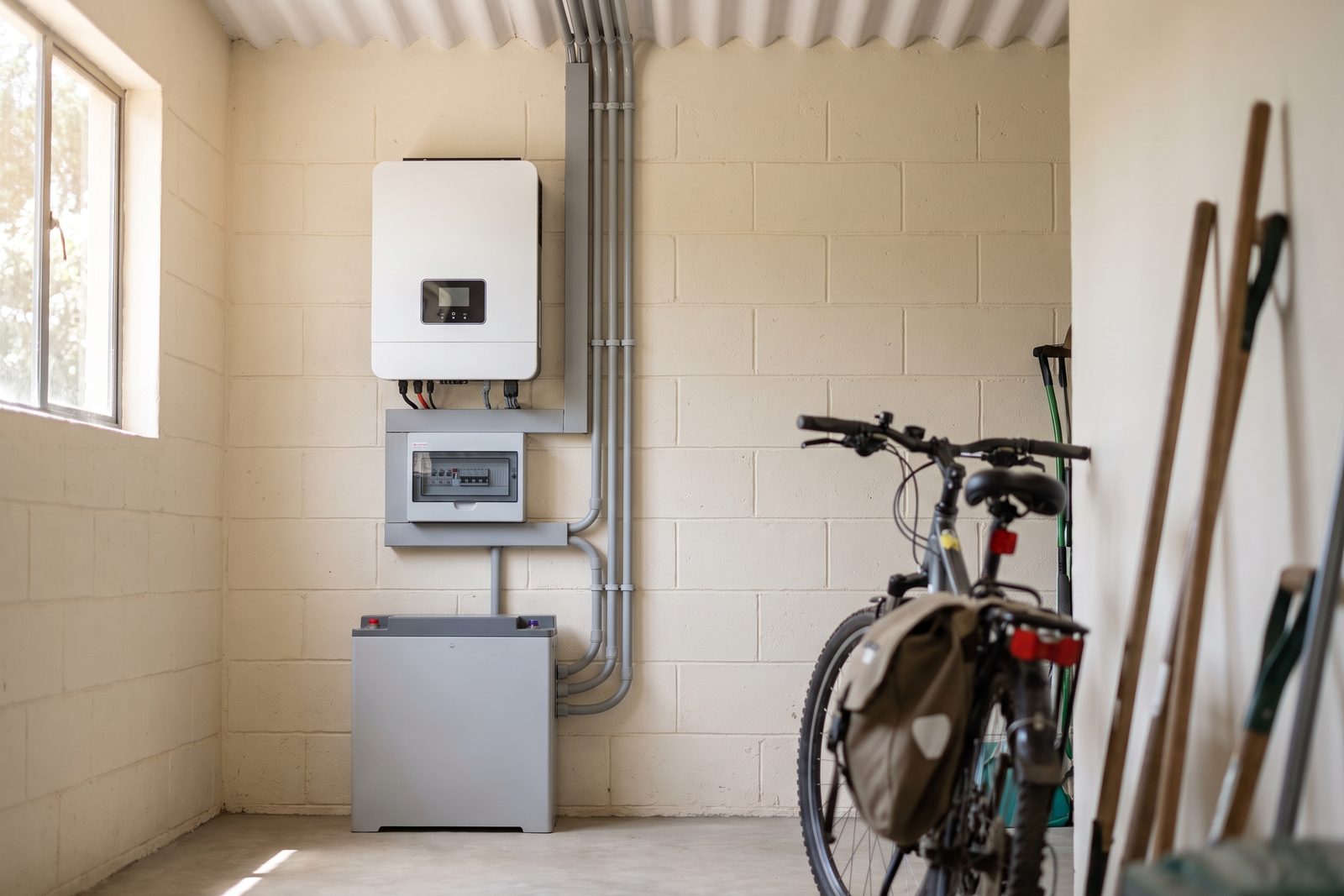
Pure sine-wave hybrid inverters with built-in MPPT: the brain that turns your panels and battery into clean, stable home power.
✓ Free site survey · installation & delivery countrywide
By Admin · Updated June 2026
A solar inverter in Kenya is the component that converts the DC power from your panels and battery into the 240V AC your fridge, TV, pump and sockets actually use. It also decides when to pull from solar, when to draw from the battery, and when to fall back to KPLC, which is why people call it the brain of the system. Get the inverter right and the rest of the install behaves. Get it wrong and you will trip the unit every time the kettle and the borehole pump come on together.
Most product pages in Kenya just list a brand and a price with no guidance on what the unit can actually run. This page is different. We cover the three inverter types, real indicative KES prices for 3kW and 5kW units, MPPT and pure sine-wave specs that matter, how to size against your appliances, and how many panels and what battery to pair. Solar Company Kenya is an independent matching service, not an installer. When you are ready, we connect you with vetted, EPRA-licensed installers who size, supply and warranty the system for your specific load.
3kW · 24V · MPPT
Pure sine-wave hybrid inverter with built-in MPPT charge controller for home systems.
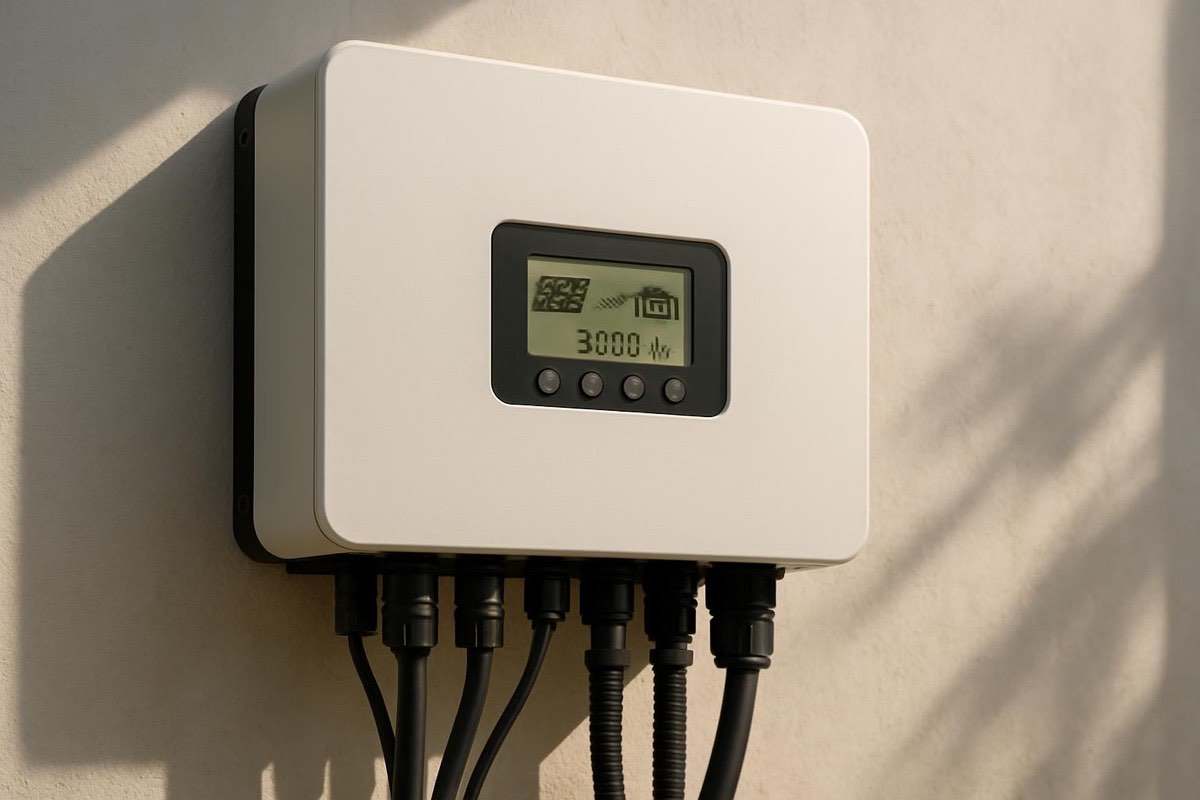
5kW · 48V · MPPT
48V hybrid inverter sized for whole-home systems with lithium battery support.
A hybrid inverter is the default choice for most Kenyan homes and small businesses. It runs your loads from solar by day, charges a battery for night use, and still keeps KPLC connected as a backup so you never go dark when the battery and the sun both run low. This is the unit you want if you face load-shedding but do not want to leave the grid entirely.
An off-grid inverter has no grid connection at all. It runs purely on solar and battery, which suits farms, boreholes, cottages and sites far from a KPLC line. It must be sized generously because there is no fallback when a cloudy week drains the battery.
A grid-tied inverter feeds solar straight into your loads and exports any surplus, with no battery. It gives the cheapest payback for daytime-heavy users like offices and cold rooms, but it shuts down during a blackout for safety, so it offers no backup on its own. Brands you will see locally include Deye, Growatt, MUST, Jinko, Victron, Luminous and Sollatek. Your installer confirms which type fits your meter and your usage pattern.
Standalone inverter prices vary widely by size and quality. A small 1 to 1.5kVA hybrid unit for lights, TV and phones runs roughly KES 20,000 to 35,000. A 3kW hybrid inverter is about KES 75,000 depending on brand and whether it is 24V or 48V. A 5kW single-phase hybrid inverter is about KES 120,000 on its own.
The inverter is only one line on the bill. A full 5kW hybrid system, with panels, a 5kWh lithium battery, mounting, cabling and installation, starts from KES 650,000 fitted. As a reference for sizing your own quote: a 300W panel is about KES 16,000 and a 5kWh lithium battery about KES 180,000. Cheap no-name inverters on marketplaces can look tempting at a fraction of these prices, but a modified sine-wave unit will hum your fan, shorten motor life and sometimes refuse to start a fridge compressor. Pure sine-wave is worth the premium. Your installer supplies the exact unit and its warranty, usually 2 to 5 years.
MPPT stands for Maximum Power Point Tracking. A built-in MPPT charge controller squeezes 20 to 30 percent more energy out of the same panels than an older PWM controller, especially on cloudy mornings and partly shaded roofs. Almost every quality hybrid inverter sold in Kenya now has MPPT built in, so treat its absence as a red flag.
Two other numbers decide whether the inverter survives real Kenyan loads. Continuous rating is the steady power it can hold, for example 5kW. Surge rating is the brief spike it tolerates when a motor starts, often 1.5 to 2 times continuous. Borehole pumps, welders and large fridges draw a heavy surge, so the surge figure matters as much as the headline kW. Also check the input voltage, 24V for small systems and 48V for 3kW and above, and confirm the unit is pure sine-wave so sensitive electronics and motors run clean and quiet.
Start by adding up everything that might run at the same time, in watts, at your busiest moment. A typical Kenyan home running lights, a TV, a fridge, a router, phone chargers and an iron peaks around 2,000 to 3,000W. That points to a 3kW inverter. Add an electric kettle, a borehole pump or a hot-water element and you are firmly in 5kW territory.
Always size above your peak, not at it, so the inverter is not running flat out every evening. The classic mistake is buying for today's average and tripping the moment two big appliances overlap. A 2.5kVA inverter, for context, comfortably carries lights, TV, a laptop, a router and a small fridge, but not a kettle or a pump on top. Once you know your peak load, an EPRA-licensed installer can confirm the continuous and surge rating you need, match it to your panel count and battery, and stand behind the sizing with a warranty. Share your appliance list and we will connect you with vetted installers who quote against it.
The inverter, panels and battery have to be balanced. For a 5kW inverter, plan on roughly 10 to 12 panels of 400 to 550W, which is about 4.5 to 6kW of array, so the panels can run your loads and recharge the battery within a single sunny day. Too few panels and the battery never fully refills before nightfall.
Battery capacity sets how long you run after dark. A 5kWh lithium battery, around KES 180,000, carries an evening of normal home use; heavier users pair two for 10kWh. Lithium (LiFePO4) lasts far longer and discharges deeper than lead-acid, which is why it now dominates new installs despite the higher upfront cost. Make sure the inverter's battery voltage and communication protocol match the battery you choose, as a mismatch can void the warranty. Your installer confirms the panel count, battery size and compatibility before anything is bought.

We are independent. We connect you with a vetted, EPRA-licensed installer, arrange your free site survey, and make sure you get a clear, written quote that sets out the system, equipment and warranty.
Answer a few quick questions and we'll connect you with a vetted, EPRA-licensed installer for a free site survey and a clear, written quote. Free site survey · installation & delivery countrywide.
Get my free quoteThere is no single best inverter, only the best fit for your load. For most homes a 3kW or 5kW pure sine-wave hybrid inverter with built-in MPPT is the sweet spot. Among brands sold locally, Deye, Victron, Growatt and MUST are well regarded for reliability and after-sales support. The right choice depends on your peak load, your budget and whether you need grid backup, which is exactly what a vetted EPRA-licensed installer helps you decide.
A standalone 5kW single-phase hybrid inverter is about KES 120,000 depending on brand and features. As part of a full system with panels, a 5kWh lithium battery, mounting and installation, budget from KES 650,000 fitted. Your installer gives a firm price once they have sized the system to your appliances.
A hybrid inverter runs your home from solar by day, charges a battery for night use, and keeps KPLC connected as backup. It automatically switches between solar, battery and grid so you get continuous power and avoid blackouts, without leaving the grid entirely. It is the most popular inverter type for Kenyan homes facing load-shedding.
A 2.5kVA (roughly 2kW) inverter comfortably runs lights, a TV, a laptop, a router, phone chargers and a small fridge at the same time. It cannot handle high-surge or high-draw appliances like an electric kettle, an iron or a borehole pump on top of that load. For those you need a 3kW unit or larger.
Plan on roughly 10 to 12 panels rated 400 to 550W, giving about 4.5 to 6kW of array. That is enough to run your loads during the day and still recharge a 5kWh battery before nightfall. At about KES 16,000 for a 300W panel, factor the array into your total budget. Your installer fine-tunes the exact count to your roof and consumption.
Pure sine-wave, always, for a solar home system. It produces clean power that runs motors, fridges, pumps and sensitive electronics quietly and safely. Modified sine-wave units are cheaper but cause humming, overheating and shortened life in appliances with motors or compressors. Every reputable solar inverter in Kenya for whole-home use is pure sine-wave.
MPPT, Maximum Power Point Tracking, is the technology inside a quality inverter that extracts the most energy from your panels at any given moment. Compared with older PWM controllers it can deliver 20 to 30 percent more harvest, especially on cloudy or partly shaded days. Almost every good hybrid inverter sold in Kenya now has MPPT built in.
It depends on the type. Hybrid and off-grid inverters need a battery to store power for night and backup use. A grid-tied inverter works without a battery, feeding solar straight into your loads and exporting surplus, but it shuts off during a blackout. If you want backup during outages, you need a battery and a hybrid or off-grid inverter.
Complete, ready-sized solar packages with real KES prices: from a 1kW backup unit to a 15kW system for homes, farms and small businesses.
View Solar Systems →Long-life lithium and deep-cycle batteries that store your solar power for the evening hours and for blackouts.
View Batteries →Genuine Tier-1 monocrystalline solar panels priced openly per watt, matched to vetted, EPRA-licensed installers across Kenya.
View Solar Panels →What solar actually costs in Kenya: panels, inverters, batteries and full systems, with real KES figures and no hidden extras.
View Prices →