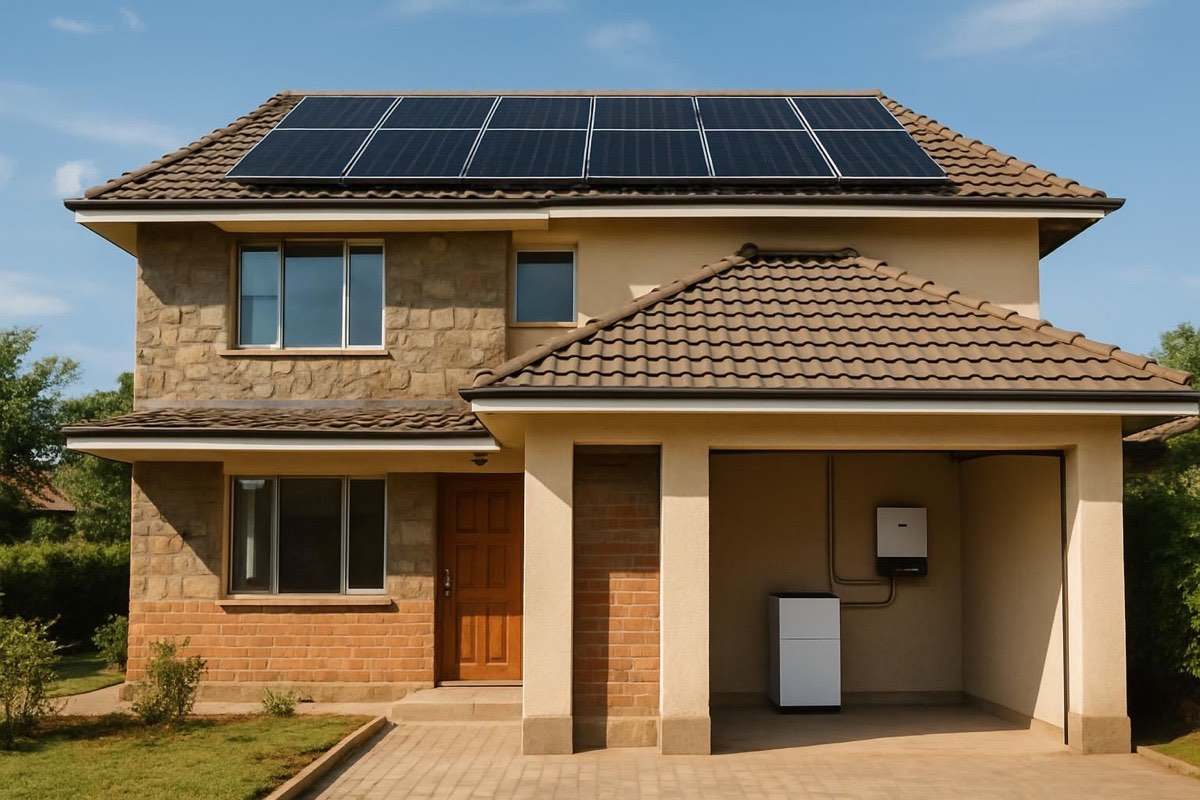
5kW Hybrid Solar System
5kW · ~20–25 kWh/day
Whole-home hybrid system with battery storage, cuts the KPLC bill and rides through blackouts.
FromKES 650,000KES 720,000
Get a quote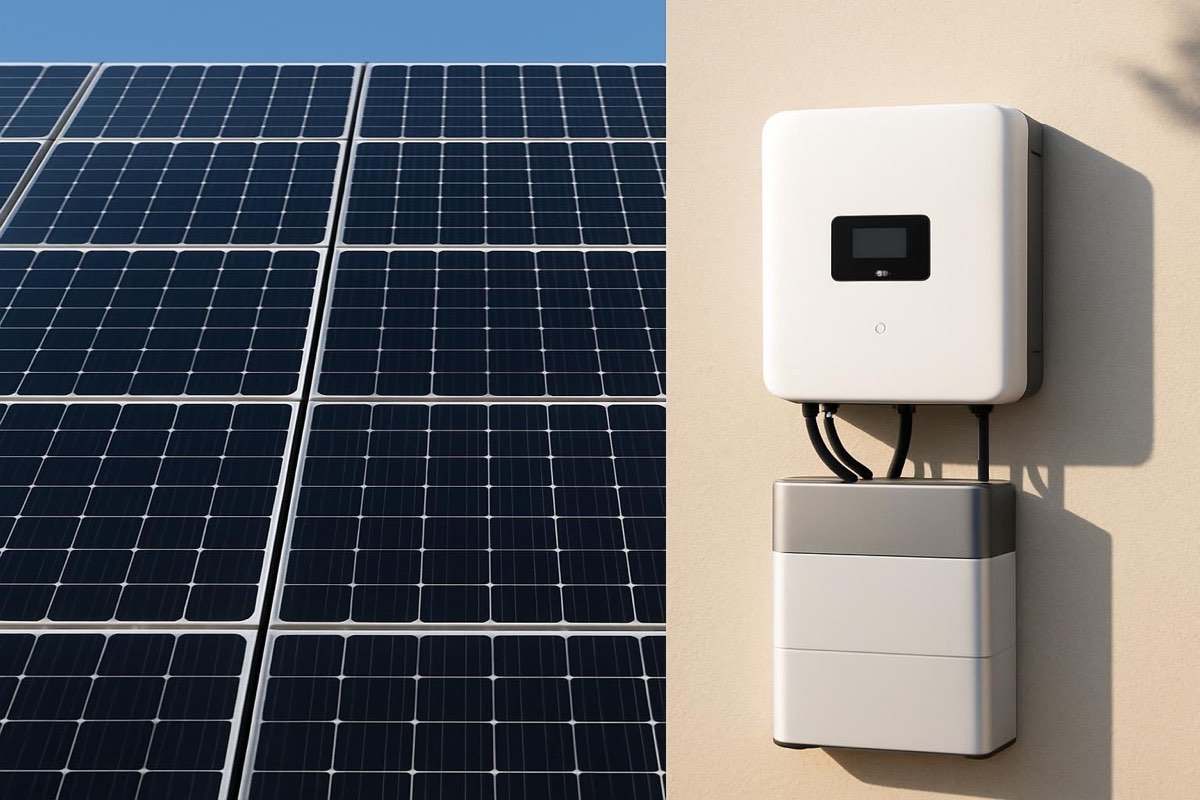
What solar actually costs in Kenya: panels, inverters, batteries and full systems, with real KES figures and no hidden extras.
✓ Free site survey · installation & delivery countrywide
By Admin · Updated June 2026
Solar prices in Kenya run from about KES 16,000 for a single 300W panel to around KES 650,000 for a complete 5kW hybrid home system with lithium storage, fitted and commissioned. Where you land inside that range depends on system size, whether you add batteries, the brand of inverter and panel, and how much wiring your site needs. This page lays out current, indicative KES prices for every part of a solar setup so you can budget before you talk to anyone.
We are an independent matching service, not an installer, so these figures are not a sales pitch tied to one shop. We connect you with vetted, EPRA-licensed installers who survey your roof, size the system and supply the warranty. Use the prices below as a planning guide, then request a free quote and your installer will confirm exact costs for your home, business or farm after a proper load assessment.
5kW · ~20–25 kWh/day
Whole-home hybrid system with battery storage, cuts the KPLC bill and rides through blackouts.
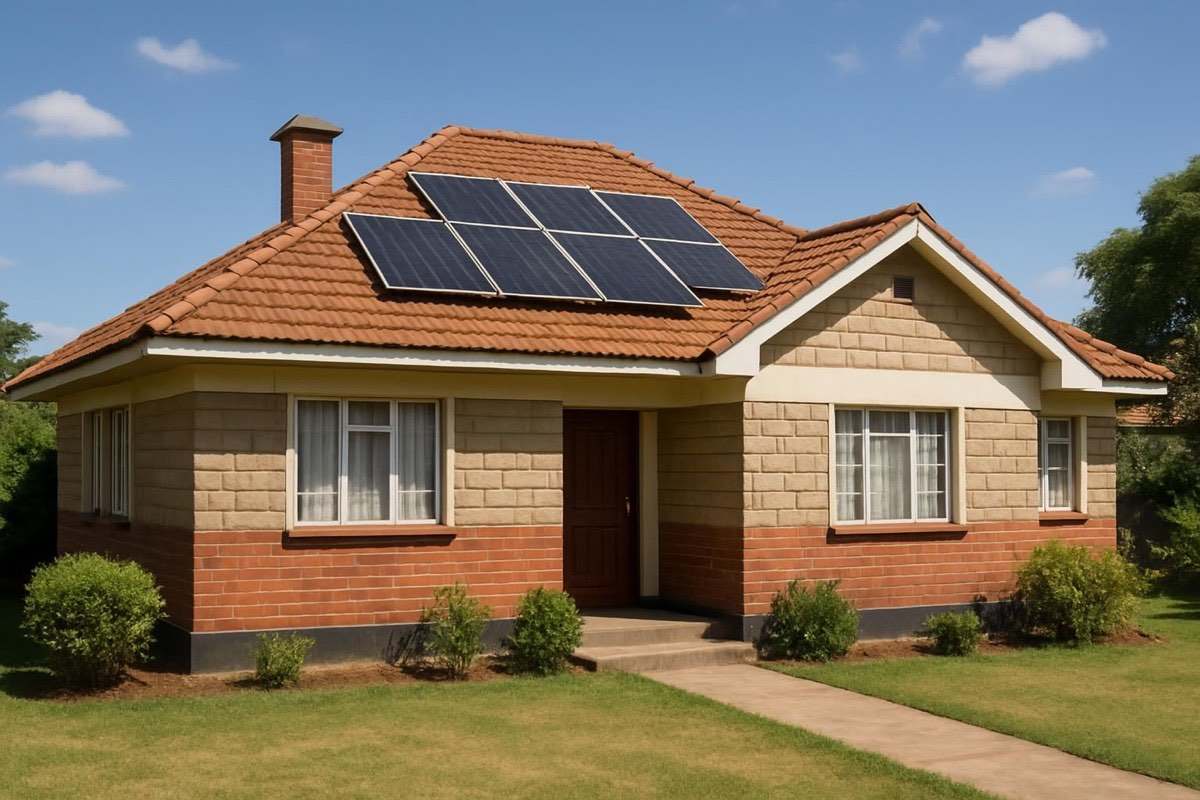
3kW · ~12–15 kWh/day
Popular family system for a 2–3 bedroom home, runs lights, electronics, fridge and small appliances.
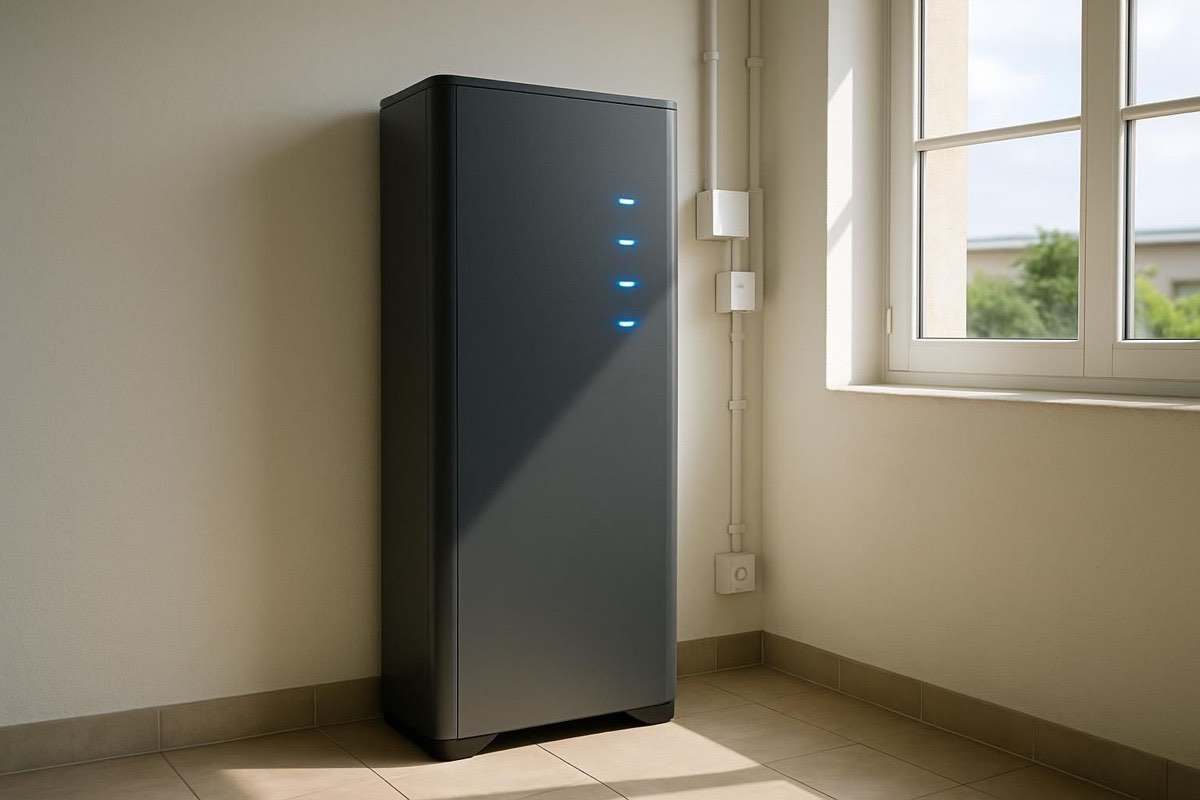
5.12kWh · 48V LiFePO4
Long-life lithium battery, deeper discharge and far longer life than lead-acid.
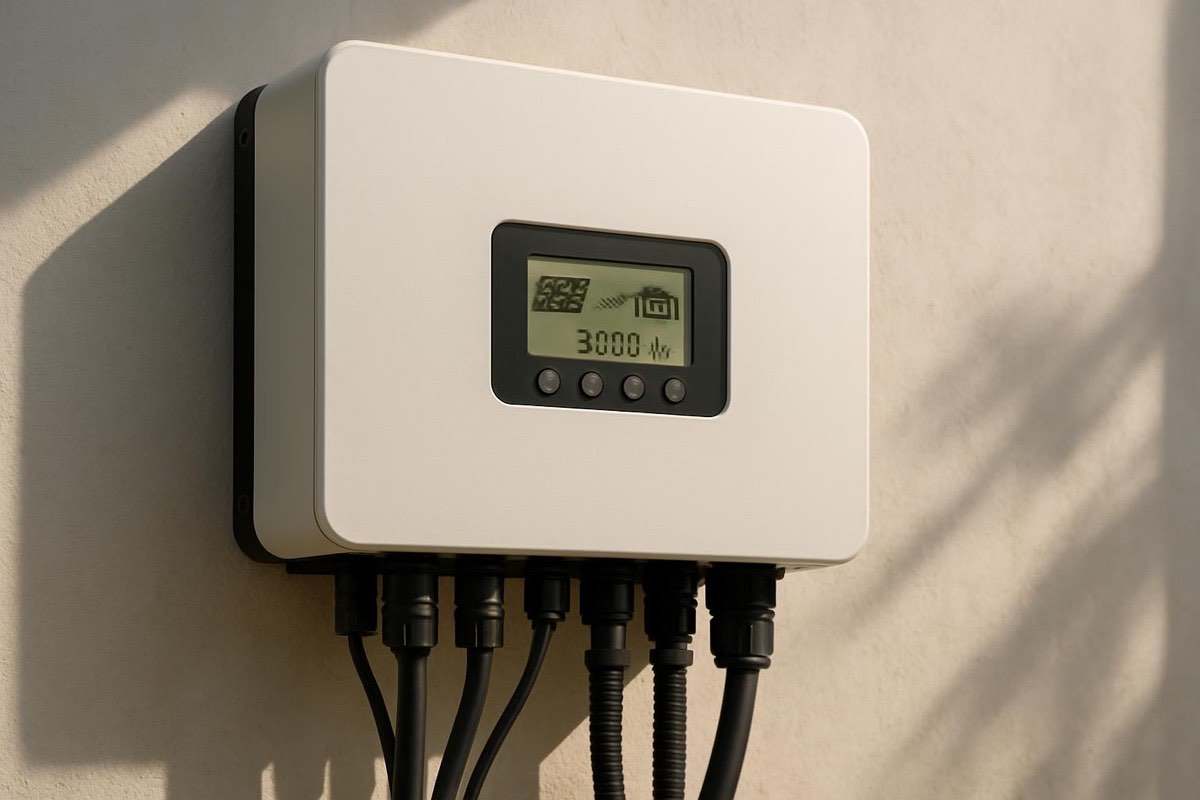
5kW · 48V · MPPT
48V hybrid inverter sized for whole-home systems with lithium battery support.
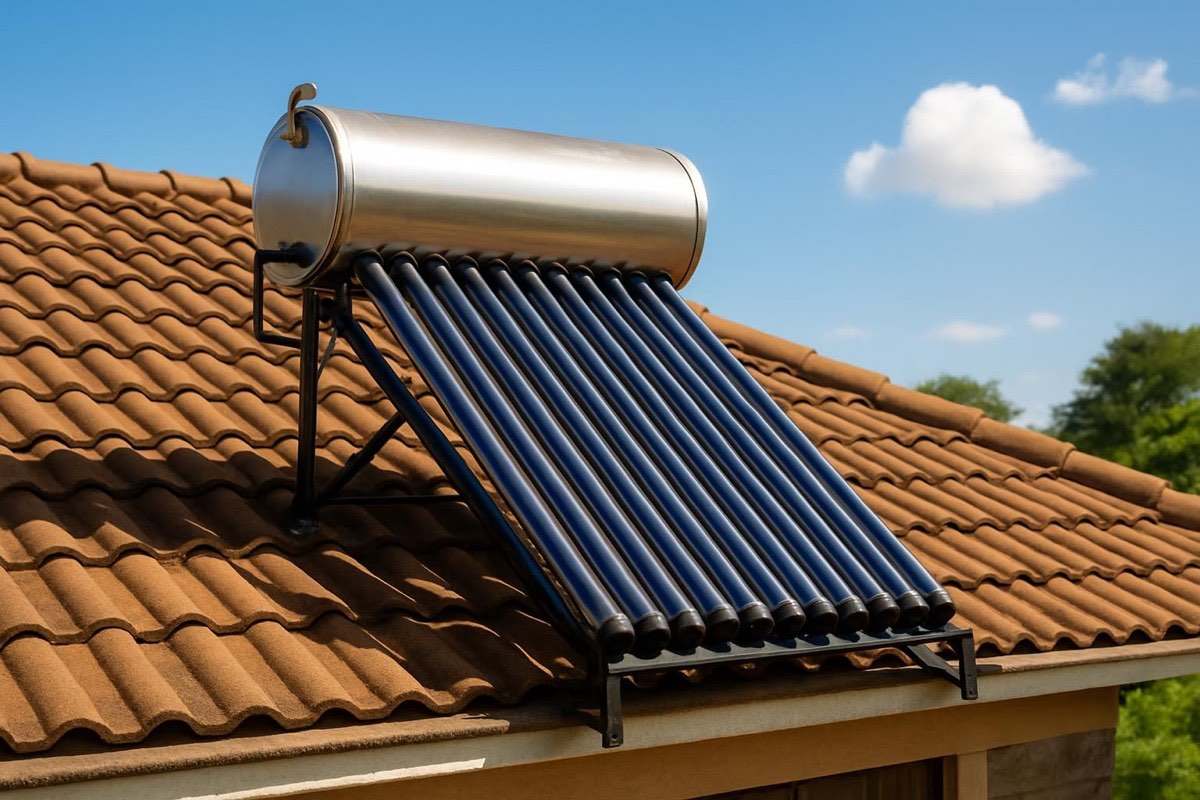
200L · for 4–5 people
Rooftop solar water heater that delivers free hot water for a family home.
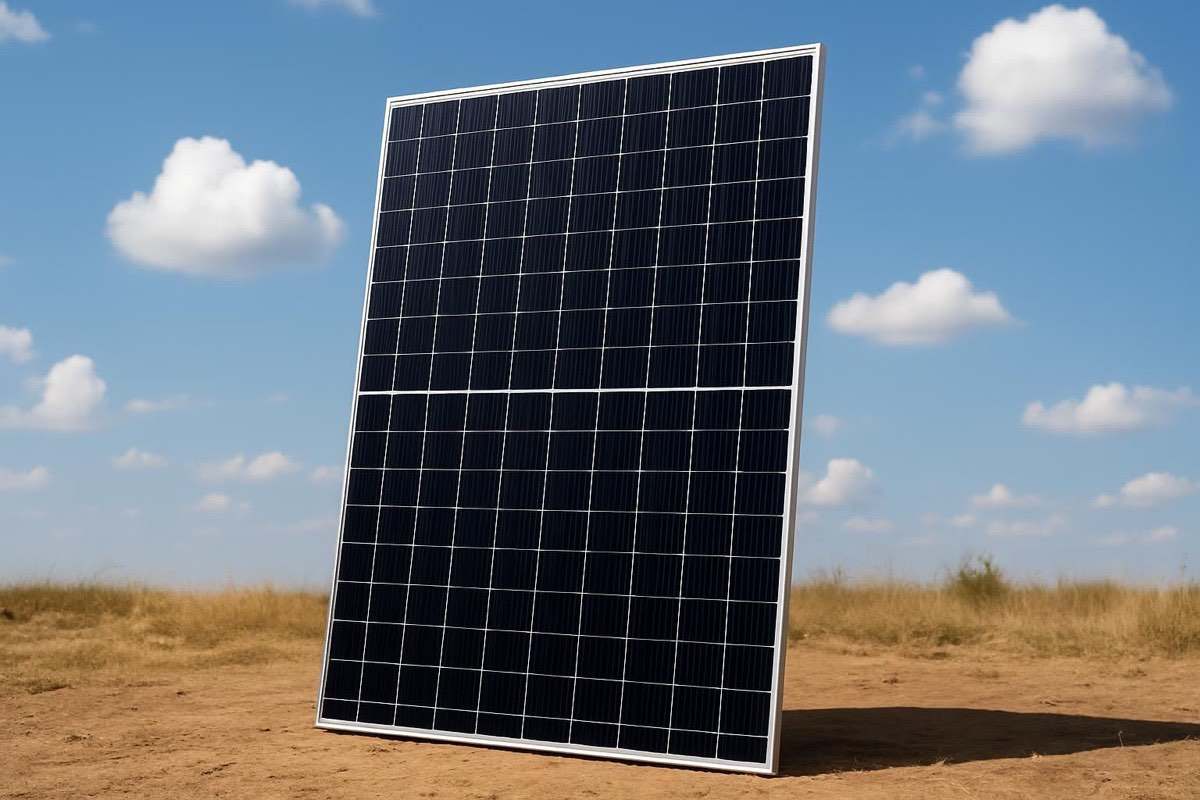
550W · half-cell mono
High-output half-cell panel, fewer panels, more power per square metre of roof.
Here are the building blocks, with typical retail KES prices before installation. Solar panels: a 300W monocrystalline panel runs about KES 16,000, a 450W around KES 23,000, and a 550W monocrystalline panel about KES 28,000. Most quality panels carry a 12-year product warranty and a 25-year performance warranty, degrading roughly 0.5 percent a year, so they still deliver around 85 percent of rated output after 25 years.
Inverters: a 3kW hybrid inverter is about KES 75,000, a 5kW hybrid about KES 120,000, and an 8kW to 10kW three-phase unit KES 280,000 to KES 380,000. Lithium (LiFePO4) batteries are now the standard for homes: a 5kWh wall unit is about KES 180,000, and a 10kWh around KES 330,000, rated for 6,000+ cycles at 90 percent depth of discharge, which is 10 to 15 years of daily use. Mounting, cabling, breakers and labour typically add KES 60,000 to KES 150,000 depending on roof type and distance from the board.
Most buyers want the all-in figure, so here are complete, installed hybrid systems with lithium storage. A 1kW backup system (lights, TV, phones, a few sockets) starts from KES 120,000. A 3kW system that covers a small family home with a fridge starts from KES 350,000. A 5kW hybrid system, enough for a four-bedroom house with a fridge, pump, entertainment and light cooking, starts from KES 650,000 installed.
Larger homes and businesses scale from there at about KES 120,000 to 130,000 per kW for hybrid systems, so a 10kW commercial setup with bigger storage starts from KES 1,200,000. Grid-tied systems without batteries are cheaper, since storage is the single most expensive part: a 5kW grid-tied system with no battery can come in near KES 380,000. Your installer sizes the array to your actual daily kWh use, so two homes of the same size can land at different prices.
Solar water heaters are a separate, cheaper purchase that many homes do first. A 150-litre pressurised flat-plate system is about KES 75,000 installed, a 200-litre about KES 95,000, and a 300-litre system for a large family or small guesthouse about KES 135,000. These pay back fast because water heating is often the biggest single load on a power bill.
Solar water pumps suit farms and rural homes off the grid. A 1HP solar water pump kit with panels is about KES 110,000, a 2HP kit about KES 185,000, and a 3HP to 5HP system for irrigation KES 400,000 to KES 700,000 depending on borehole depth and daily water volume. Your installer matches the pump and panel array to your head height and flow rate so you do not overspend on capacity you will not use.
Five things move a solar system price kenya quote: total system size in kW, battery capacity in kWh, inverter brand and whether it is hybrid or grid-tied, panel quality, and site work like a long cable run, a tile roof needing special mounts, or a three-phase connection. Imported tier-one panels and inverters (Jinko, Deye, Victron, Growatt) cost more than budget brands but hold output longer and keep their warranty, which matters over a 25-year life.
On savings: a well-sized 5kW system serving a home with a KES 12,000 to KES 18,000 monthly Kenya Power bill typically pays back in 4 to 6 years, then runs largely free for the remaining 20-plus years. Panels are VAT-exempt in Kenya under current rules, which keeps panel pricing down, though inverters and batteries can attract tax. Ask your installer to put the payback period in writing alongside the quote, so you are judging value, not just the sticker price.
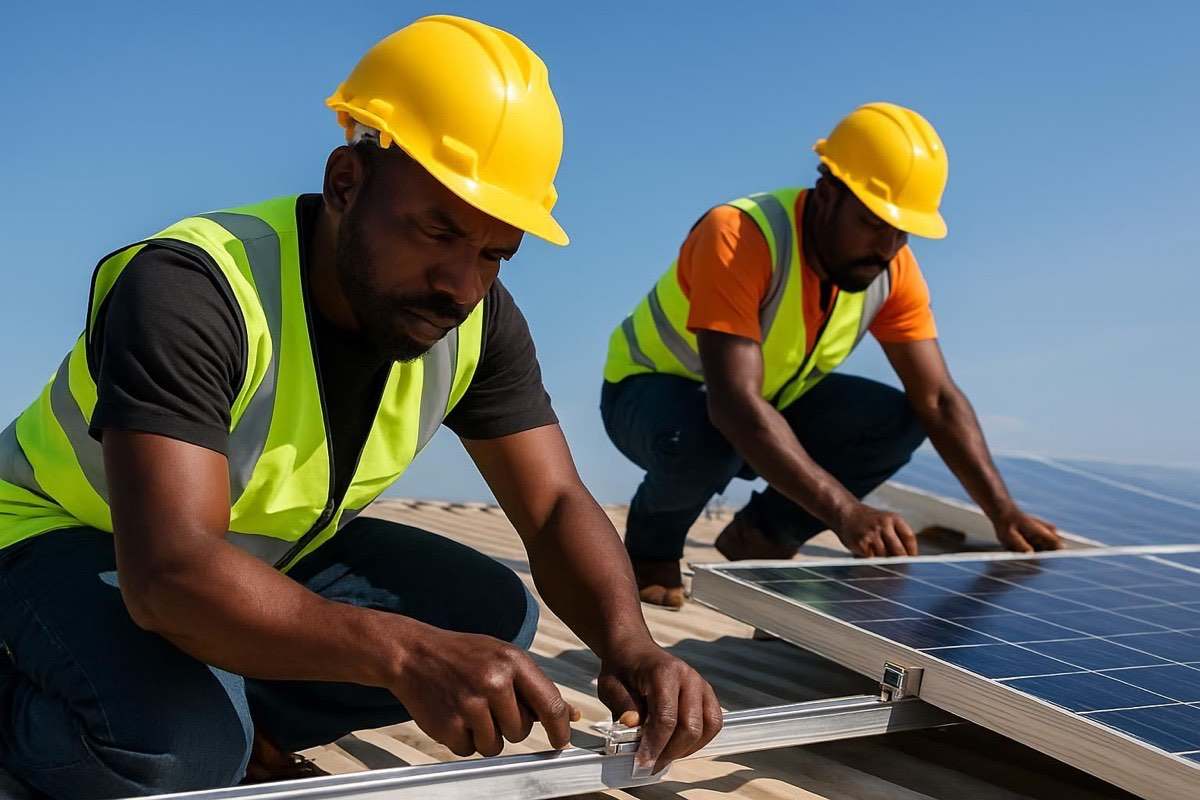
We are independent. We connect you with a vetted, EPRA-licensed installer, arrange your free site survey, and make sure you get a clear, written quote that sets out the system, equipment and warranty.
Answer a few quick questions and we'll connect you with a vetted, EPRA-licensed installer for a free site survey and a clear, written quote. Free site survey · installation & delivery countrywide.
Get my free quoteA single solar panel costs about KES 16,000 for a 300W monocrystalline panel, KES 23,000 for a 450W, and KES 28,000 for a 550W monocrystalline panel. A complete installed home system is the figure most people want: from KES 120,000 for a 1kW backup setup, from KES 350,000 for 3kW, and from KES 650,000 for a 5kW hybrid system with lithium storage.
A complete installed hybrid system with lithium battery storage starts from KES 120,000 for 1kW, KES 350,000 for 3kW, KES 650,000 for 5kW, and KES 1,200,000 for a 10kW commercial system, working out at about KES 120,000 to 130,000 per kW for the sizes in between. Going grid-tied without a battery cuts the cost sharply, since storage is the most expensive single component.
A 5kW (roughly 5kVA) hybrid system with a 10kWh lithium battery comfortably runs a four-bedroom home overnight: lights, fridge, TV, Wi-Fi, phone charging and a water pump, with light cooking during sunshine hours. Run time depends on battery size and load. With 10kWh of usable storage and typical evening use, most homes get through the night and recharge fully the next day. Heavy loads like an electric cooker or geyser shorten that, which is why solar water heating is usually kept separate.
For most homes with a monthly Kenya Power bill above KES 8,000, yes. A 5kW system typically pays for itself in 4 to 6 years through bill savings, then delivers largely free power for 20-plus years. Kenya's strong sun (5 to 6 peak sun hours daily) and frequent outages improve the case further, since a hybrid system also gives you backup. Panels being VAT-exempt helps the maths.
Rain does not damage solar panels; they are sealed and built to handle Kenyan weather. Output dips while clouds block the sun, but rain actually helps by washing off dust that would otherwise cut efficiency. Systems are sized around average peak sun hours that already account for cloudy and rainy days, and a battery covers the shortfall. During long wet spells a hybrid inverter can top up from the grid if needed.
Panels do not stop working at 25 years; they simply produce a little less. With about 0.5 percent annual degradation, a quality panel still delivers roughly 85 percent of its original output after 25 years and keeps generating well beyond that. The 25-year figure is the performance-warranty period, not an expiry date. Lithium batteries and inverters are shorter-lived (10 to 15 years for the battery, 8 to 12 for the inverter) and are the parts you typically replace first.
Yes. Many installers offer payment plans, and asset-finance and PayGo options are common, especially for smaller home systems where you pay a deposit then monthly amounts via M-Pesa. Larger home and business systems can often be financed through SACCOs or bank green-energy loans. When we connect you with a vetted, EPRA-licensed installer, ask them which financing they support so you can spread the cost.
The cost of solar in Kenya swings on system size, battery capacity, inverter and panel brand, and site work like cable runs, roof type and three-phase connections. Two homes of the same size can get different quotes because pricing follows actual daily kWh use, not floor area. Always check a quote covers the system size and battery capacity you actually need, and whether installation, mounting and commissioning are included.
Complete, ready-sized solar packages with real KES prices: from a 1kW backup unit to a 15kW system for homes, farms and small businesses.
View Solar Systems →Genuine Tier-1 monocrystalline solar panels priced openly per watt, matched to vetted, EPRA-licensed installers across Kenya.
View Solar Panels →Long-life lithium and deep-cycle batteries that store your solar power for the evening hours and for blackouts.
View Batteries →An honest, numbers-based look at whether solar pays off in Kenya, and the cases where it does not yet.
View Is Solar Worth It? →