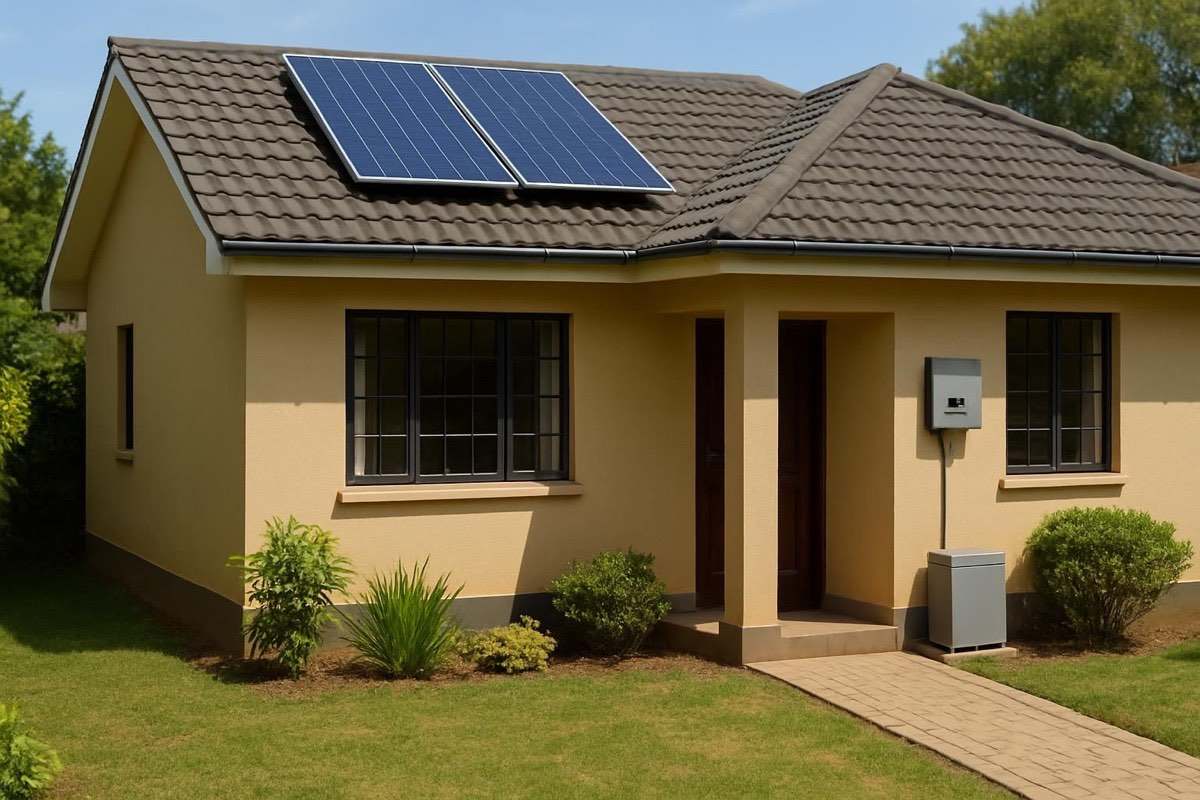
1kW Solar System (Backup)
1kW · ~4–5 kWh/day
Entry backup system that keeps lights, TV, router and phone charging running through outages.
FromKES 120,000
Get a quote
We connect you with vetted, EPRA-licensed installers serving Nairobi and the surrounding counties, with a free survey and a clear written quote.
✓ Free site survey · installation & delivery countrywide
By Admin · Updated June 2026
Solar installation in Nairobi has moved from a luxury to a straightforward way to cut a rising Kenya Power bill and ride through load-shedding. Solar Company Kenya is an independent matching service, not an installer. We connect you with vetted, EPRA-licensed solar installers in Nairobi who survey your roof, size the system to your actual usage, supply the equipment and stand behind the workmanship. You get a vetted, licensed installer, so you are not stuck with the first salesman who knocks.
Most Nairobi sites we handle are homes in Karen, Runda, Kilimani, Lavington, Syokimau, Kitengela and Ruiru, plus shops, offices, schools and farms on the city fringe. Whether you want a small backup system for the fridge, lights and Wi-Fi during outages, or a full hybrid system that runs the whole house, your installer will recommend the panel count, inverter and battery size and put real KES figures on paper before you commit a shilling.
1kW · ~4–5 kWh/day
Entry backup system that keeps lights, TV, router and phone charging running through outages.
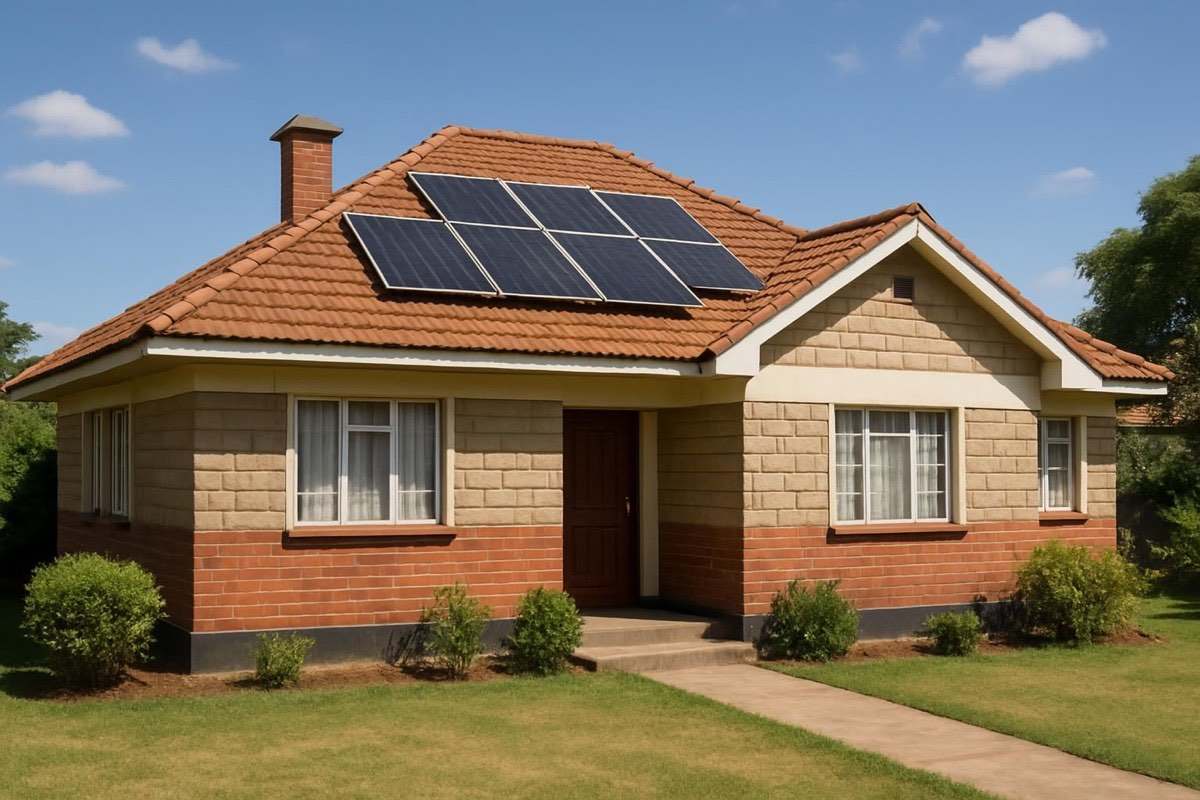
3kW · ~12–15 kWh/day
Popular family system for a 2–3 bedroom home, runs lights, electronics, fridge and small appliances.
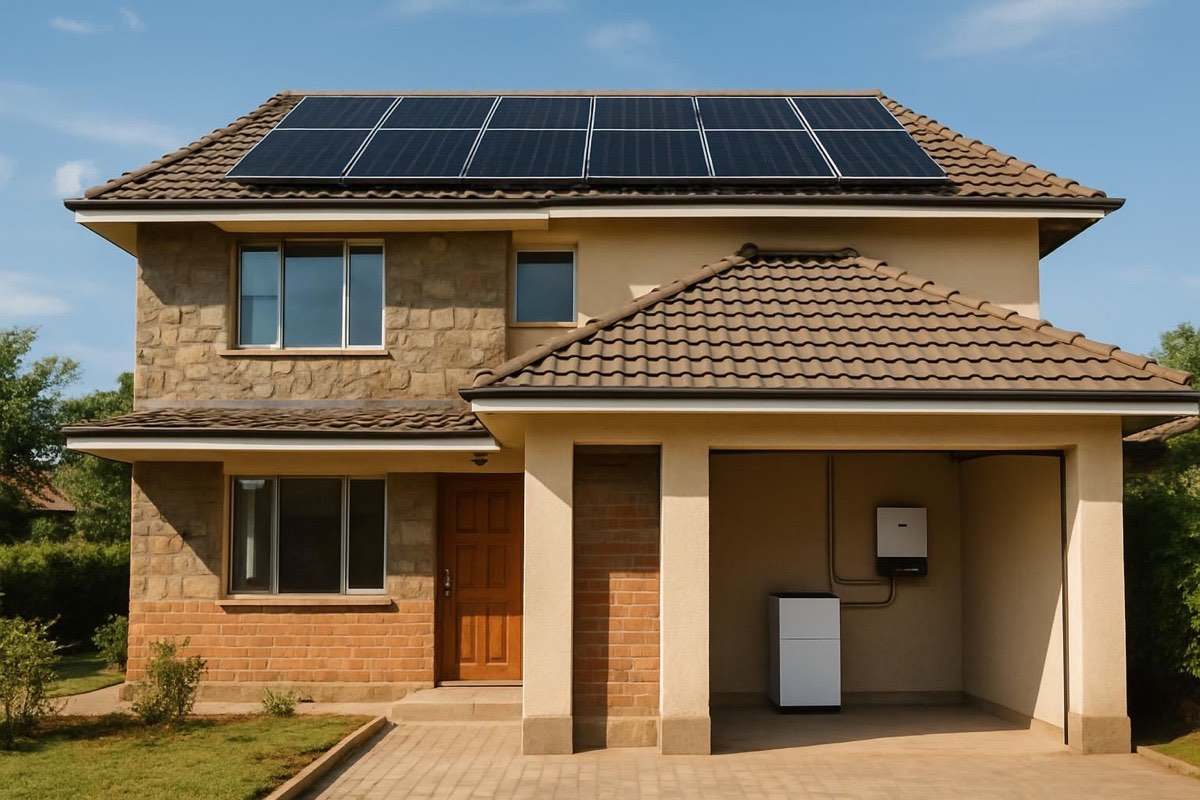
5kW · ~20–25 kWh/day
Whole-home hybrid system with battery storage, cuts the KPLC bill and rides through blackouts.
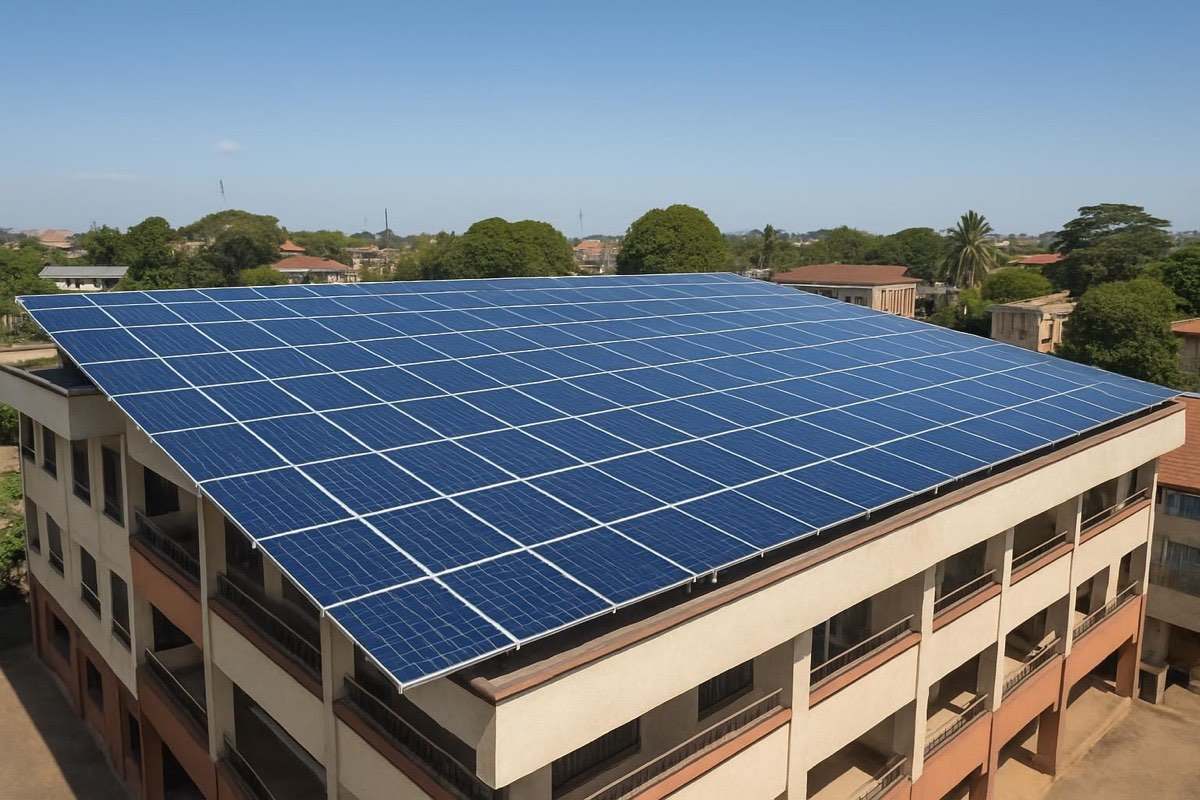
10kW · ~40–50 kWh/day
For shops, offices, schools and clinics, slashes daytime grid costs with optional storage.
Pricing depends on system size, battery capacity and brand, but here are honest indicative figures for the Nairobi market in 2026 so you can budget before any installer visits. A single 300W mono panel runs about KES 16,000 supplied. A 5kWh lithium battery sits near KES 180,000, and a quality 5kW hybrid inverter is about KES 120,000.
Put together, a typical 5kW hybrid system for a family home, panels, inverter, one 5kWh battery, mounting, cabling and labour, starts from KES 650,000 fully installed. A smaller 3kW system for lights, TV, fridge and routers starts from KES 350,000. A larger 10kW system for a big house or small business with two batteries starts from KES 1,200,000. Your installer prices the exact system after the survey, since roof type, wiring distance and battery choice all move the number.
Good sizing starts with your last three Kenya Power bills and a list of what you actually run. A solar installer in Nairobi measures your daily kWh use, your peak demand (geyser, pump, iron and kettle are the heavy hitters) and how much roof faces north or west.
Nairobi gets strong, fairly consistent sun, roughly 5 to 5.5 peak sun hours a day across the year, so a 1kW of panels produces about 4 to 5 units daily. A house using 15 units a day usually needs about 3 to 4kW of panels plus enough battery to cover the evening and any outages. Your installer balances panel array, inverter rating and battery storage so you are not overpaying for capacity you never use.
Anyone can call themselves a solar installer, so we check the things that protect your money. Every installer we connect you with holds a valid EPRA licence (the Energy and Petroleum Regulatory Authority class that legally covers solar PV work in Kenya), carries a track record of completed Nairobi installs, and gives a written warranty.
Expect 10 to 12 years on panels for product and around 25 years on performance, 5 to 10 years on lithium batteries, and 2 to 5 years on the inverter, plus a workmanship guarantee on the installation itself. Your installer supplies and warranties the equipment directly. We make sure your installer is licensed and reviewed, and that the quote spells out brands, model numbers and what is and is not included.
Most Nairobi homes with a Kenya Power connection go hybrid. A hybrid system uses solar by day, stores extra in a battery for the evening, and falls back to the grid when needed, so outages stop affecting you. It is the practical sweet spot for the city.
A pure on-grid (grid-tied) system is cheapest because it has no battery, but it shuts off during a blackout, which defeats the point for most Nairobi buyers. Off-grid makes sense for farms, boreholes and sites in Kajiado or Machakos with weak or no grid, where the system carries the full load on its own. Your installer recommends the right type after seeing your site and hearing how you want to use the power.
After you send your details, a vetted installer contacts you to arrange a free site survey, usually within a day or two across Nairobi. They inspect the roof, check your distribution board and confirm your consumption, then send a written quote with the system spec and KES total.
Once you approve and pay the deposit, a standard home install takes one to three days on site for a typical 3kW to 5kW system. Larger commercial systems take longer. The installer handles mounting, wiring, commissioning and shows you how to read the app or monitor. Maintenance is light: an occasional panel clean (Nairobi dust and the dry-season haze matter more than rain) and a yearly check.
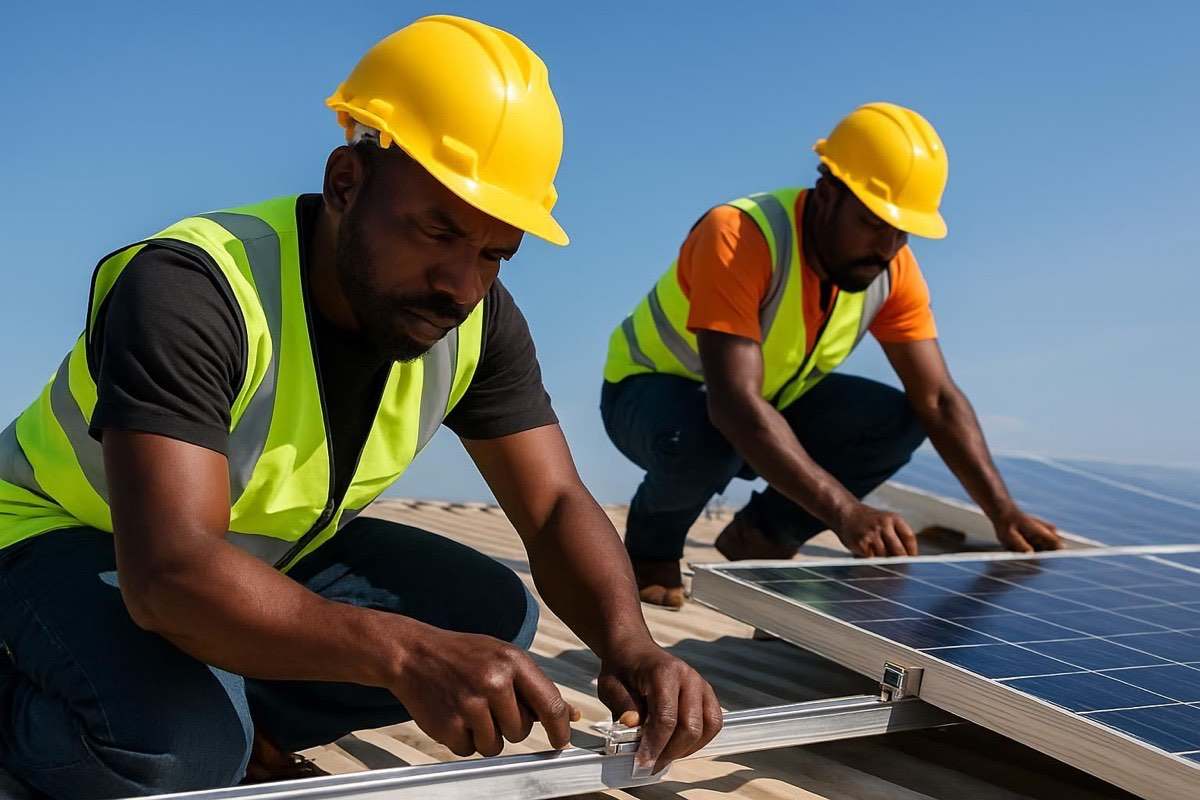
We are independent. We connect you with a vetted, EPRA-licensed installer, arrange your free site survey, and make sure you get a clear, written quote that sets out the system, equipment and warranty.
Answer a few quick questions and we'll connect you with a vetted, EPRA-licensed installer for a free site survey and a clear, written quote. Free site survey · installation & delivery countrywide.
Get my free quoteFor a Nairobi home, a 3kW system starts from KES 350,000, a full 5kW hybrid system from KES 650,000, and a 10kW system from KES 1,200,000, all fully installed. Price moves with battery size and brand. Your installer gives an exact figure after a free survey.
There is no single 10,000W panel; a 10kW array is built from many panels. At about KES 16,000 for a 300W panel, the panels alone for 10kW cost roughly KES 500,000 to KES 550,000. As a complete installed 10kW system with inverter and batteries, budget from KES 1,200,000 in Nairobi.
Rain does not damage panels and barely cuts output for a day; it actually washes off dust and helps performance afterwards. In Nairobi the bigger output dip comes from cloud cover and dry-season dust on the glass, which is why your installer sizes a battery to carry you through dull spells and outages.
Run time depends on battery capacity, not the inverter. A 5kVA hybrid with one 5kWh lithium battery powers a normal evening load (lights, TV, fridge, Wi-Fi, phones) for roughly 4 to 7 hours after dark. Add heavy loads like a geyser, kettle or iron and that drops fast, so most Nairobi homes add a second battery for full overnight cover.
Yes. Solar Company Kenya only connects you with installers who hold a valid EPRA licence for solar PV work in Kenya. We are an independent matching service, not an installer, so we vet the company, you deal with them directly, and they supply and warranty the system.
We connect you with installers covering all of Nairobi and the surrounding areas, including Karen, Runda, Kilimani, Lavington, Westlands, Syokimau, Kitengela, Ruiru, Kiambu, Ngong and the wider Kajiado and Machakos fringe for homes, businesses and farms.
A vetted installer usually arranges a free survey within a day or two, then sends a written quote. After you approve and pay the deposit, a typical 3kW to 5kW home system is installed and commissioned in one to three days on site.
For most homes and businesses, yes. With rising tariffs and frequent outages, a hybrid system in Nairobi typically pays back in about 4 to 6 years and then runs largely free for the panels' 25-year life, while protecting you from blackouts. Your installer can show the payback maths against your own bill.
Get matched with vetted, EPRA-licensed installers who survey your roof, size the system to your bills and fit it properly the first time.
View Installation →Complete, ready-sized solar packages with real KES prices: from a 1kW backup unit to a 15kW system for homes, farms and small businesses.
View Solar Systems →What solar actually costs in Kenya: panels, inverters, batteries and full systems, with real KES figures and no hidden extras.
View Prices →