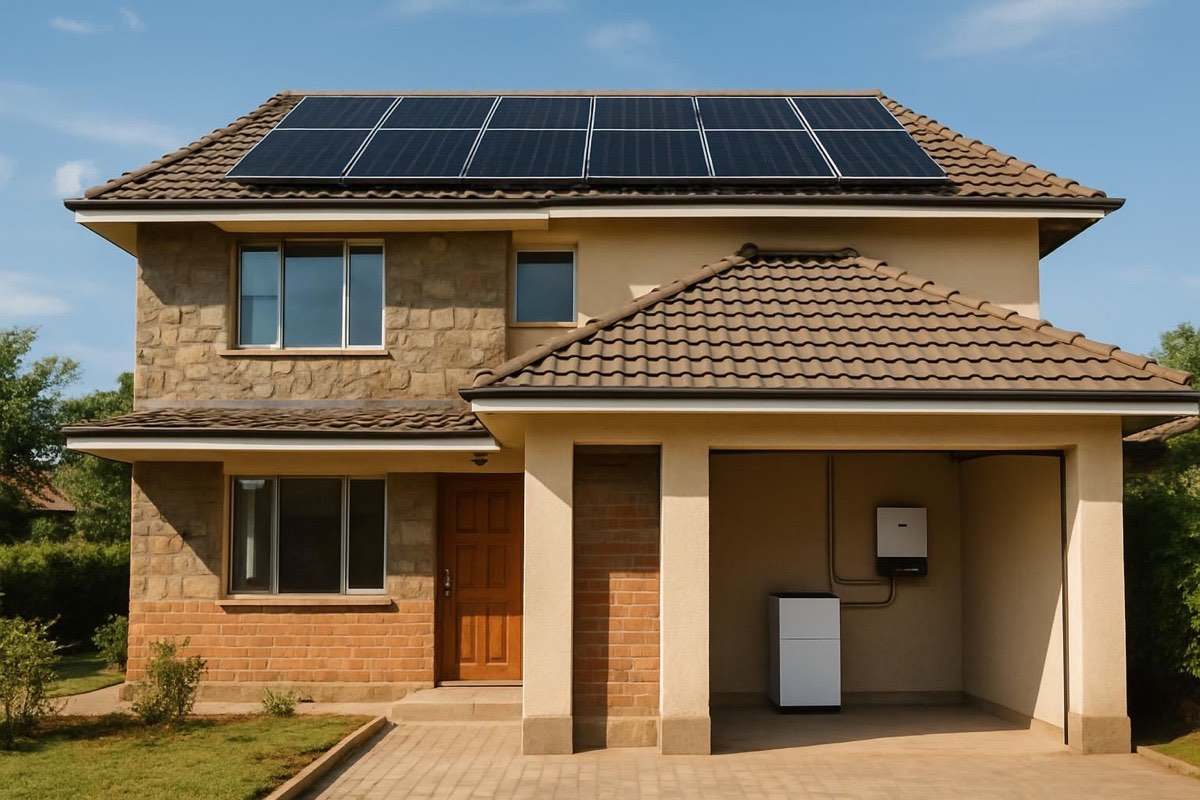
5kW Hybrid Solar System
5kW · ~20–25 kWh/day
Whole-home hybrid system with battery storage, cuts the KPLC bill and rides through blackouts.
FromKES 650,000KES 720,000
Get a quote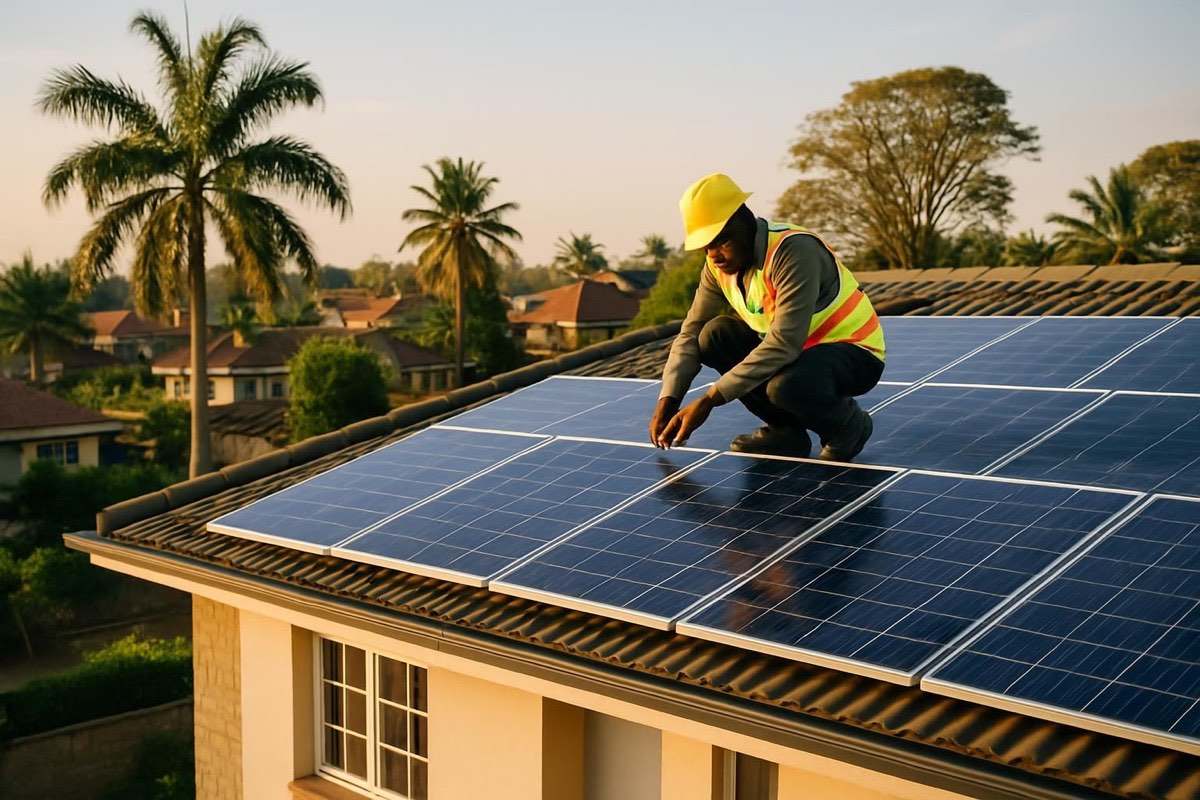
We connect Kenyan homes, farms and businesses with vetted, EPRA-licensed solar installers, with clear quotes and a free site survey.
✓ Free site survey · installation & delivery countrywide
Solar Company Kenya is an independent service that connects homeowners, farmers and businesses with vetted, EPRA-licensed solar installers across the country. We do the legwork of finding you a trusted installer, so you are not gambling on whoever shows up first.
From a small backup system to a whole-home hybrid setup or a commercial installation, your installer sizes the system from your actual power use and puts the price, equipment and warranty in writing before any work starts.
5kW · ~20–25 kWh/day
Whole-home hybrid system with battery storage, cuts the KPLC bill and rides through blackouts.
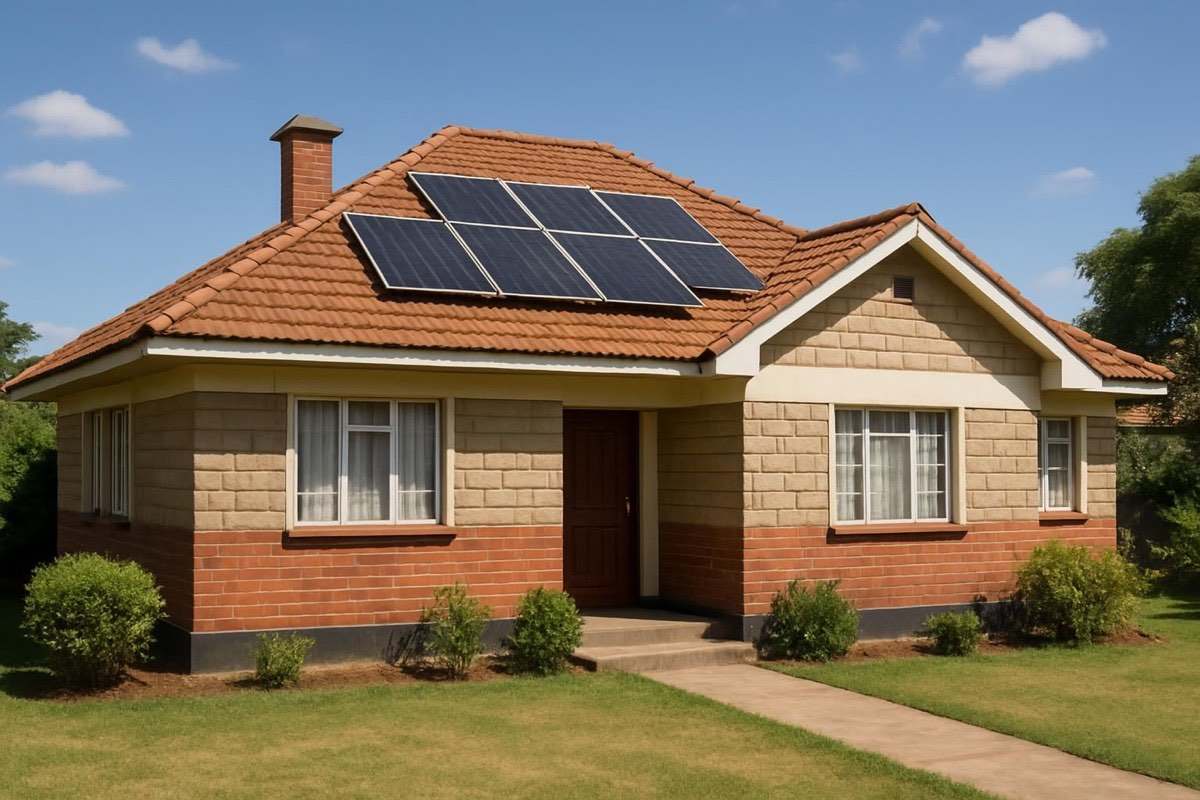
3kW · ~12–15 kWh/day
Popular family system for a 2–3 bedroom home, runs lights, electronics, fridge and small appliances.
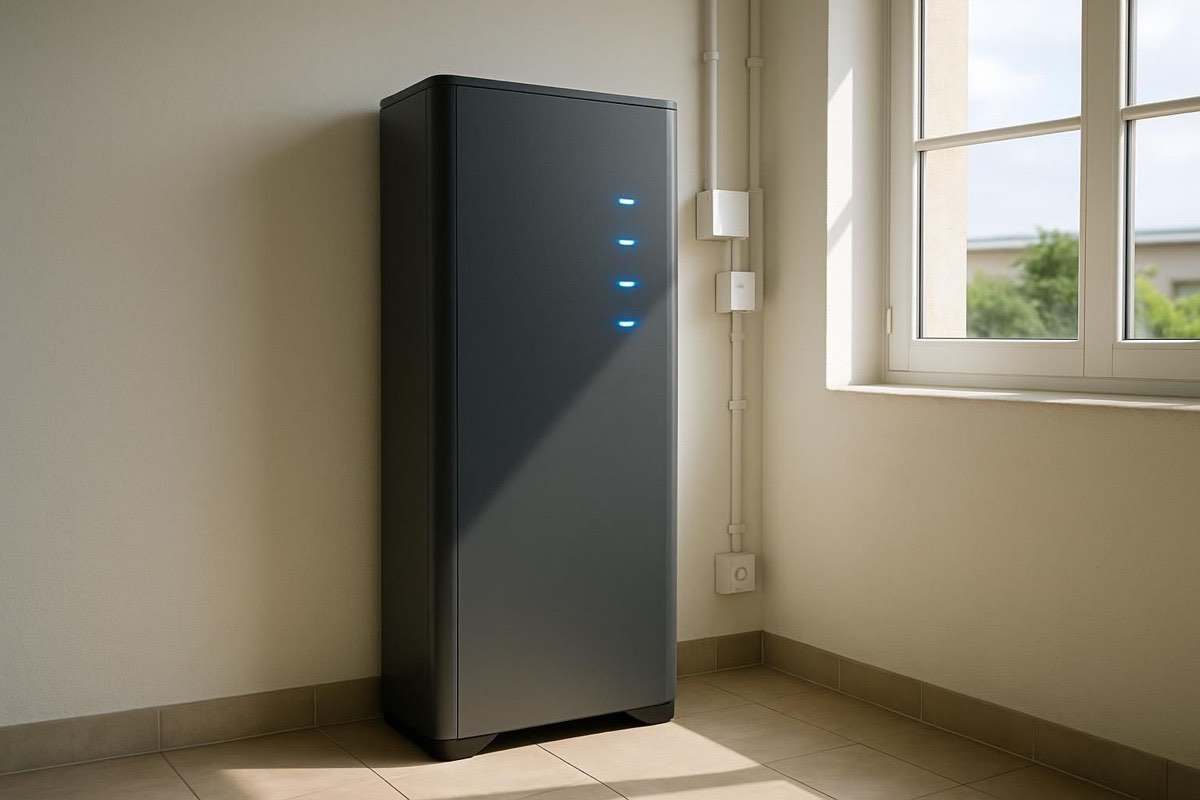
5.12kWh · 48V LiFePO4
Long-life lithium battery, deeper discharge and far longer life than lead-acid.
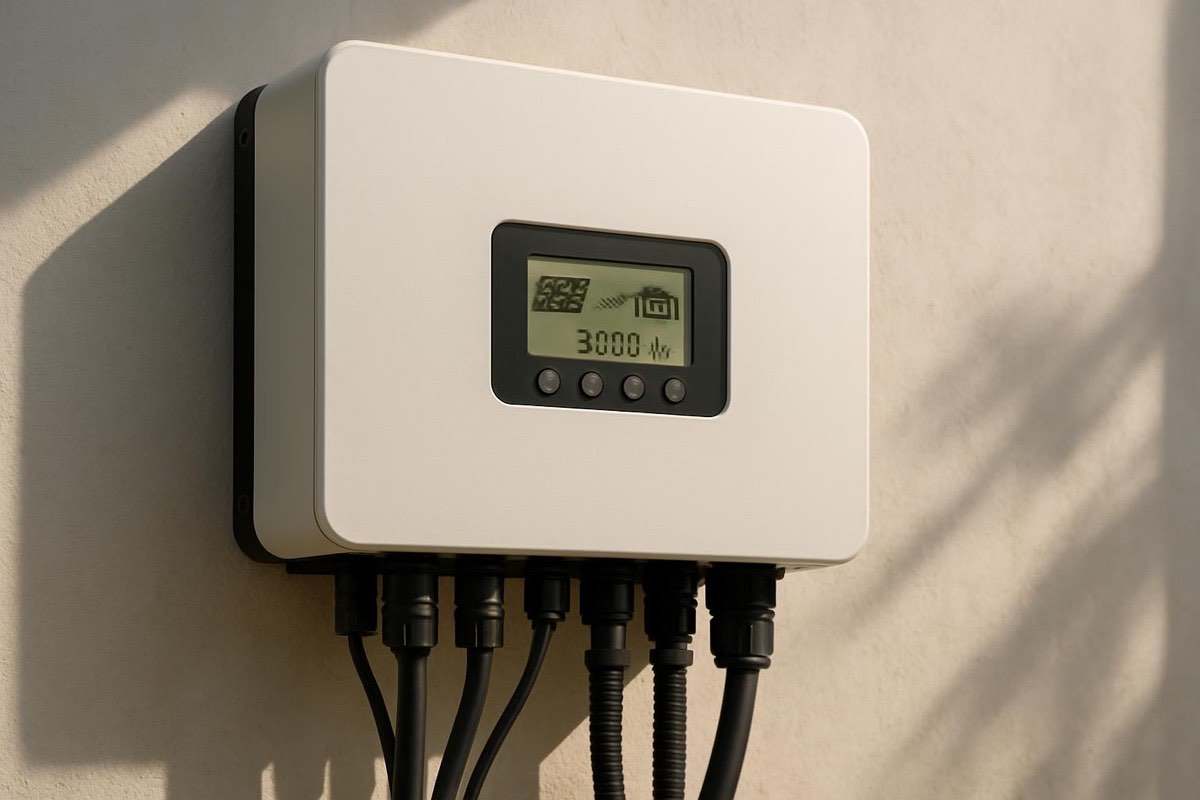
5kW · 48V · MPPT
48V hybrid inverter sized for whole-home systems with lithium battery support.
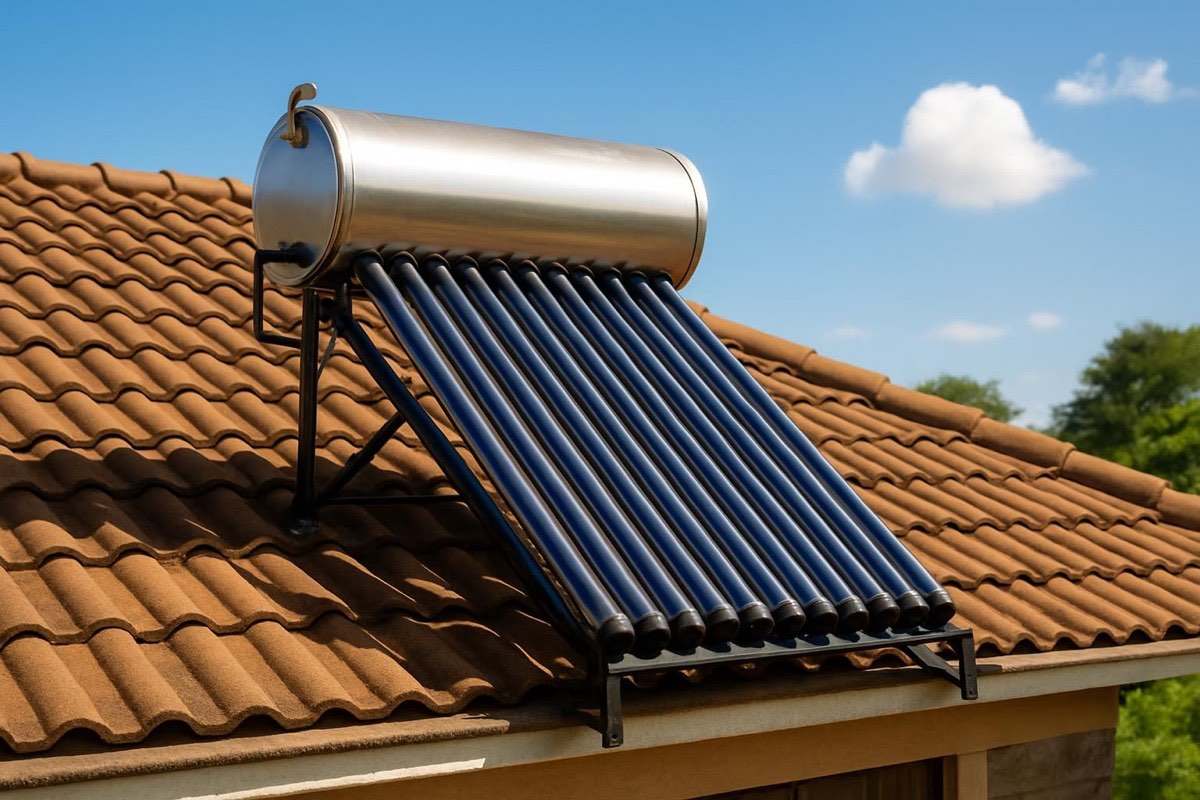
200L · for 4–5 people
Rooftop solar water heater that delivers free hot water for a family home.
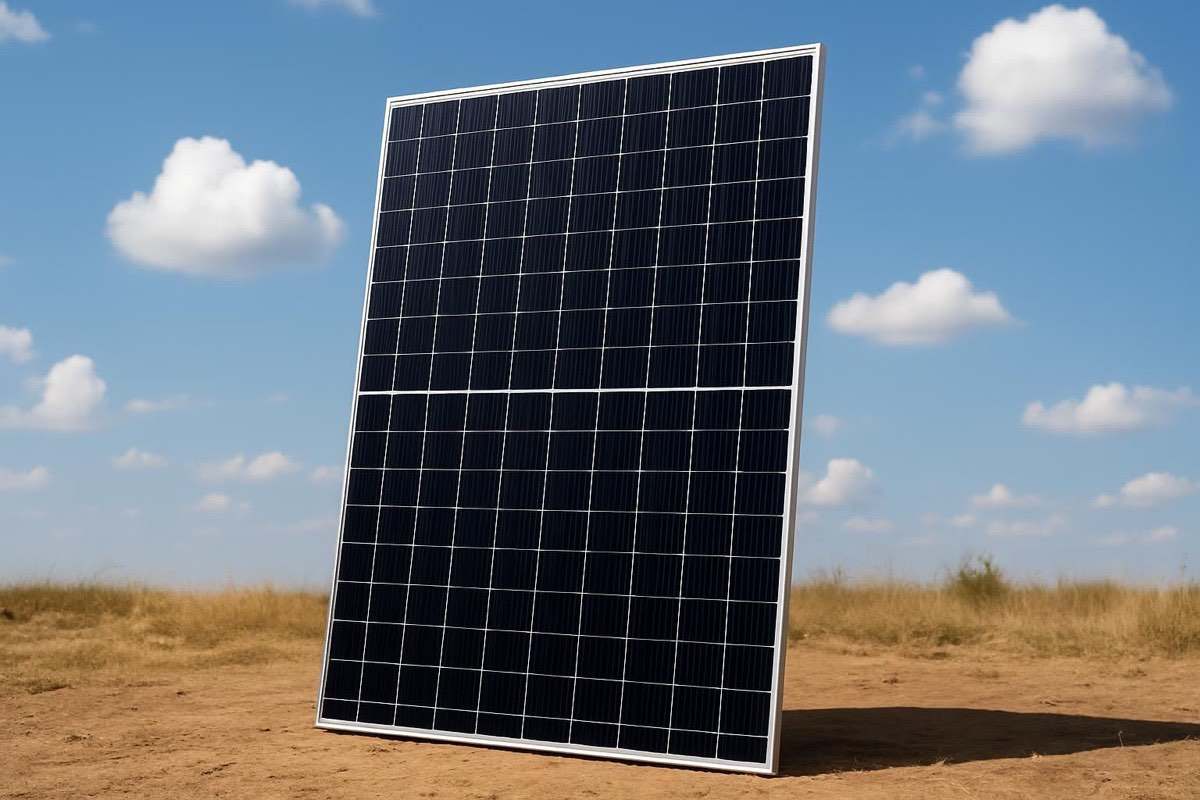
550W · half-cell mono
High-output half-cell panel, fewer panels, more power per square metre of roof.
There is no single best solar company in Kenya, only the right installer for your roof, your loads and your budget. The ones worth hiring share four things: an EPRA licence, genuine Tier-1 equipment, a written quote that lists every component, and a workmanship warranty you can hold them to.
That is exactly what we check before we connect you with anyone. We confirm the EPRA licence, look at past installs and reviews, and make sure they quote in writing. You skip the cold-calling and the guesswork, and deal with one installer we already trust.
Homeowners go solar to escape rising KPLC bills and blackouts, usually with a hybrid system that stores power for the evening. Businesses, shops, offices, schools and clinics use commercial solar to cut the daytime power that eats their margins. Farmers use solar water pumping and irrigation to run boreholes with no fuel or grid bill. We connect you with installers experienced in all three.
Good installers fit Tier-1 monocrystalline panels (12-year product and 25-year performance warranties), pure sine-wave hybrid inverters, and lithium (LiFePO4) batteries that last far longer than lead-acid. Cheap, unbranded kit is the most common reason a system underperforms within a few years, which is why every installer we work with supplies branded equipment with the manufacturer warranty in writing.
Most Kenyan homes pay cash, but you do not have to. Several banks and SACCOs offer green-energy and asset-finance loans for solar, and some installers offer instalment plans or lease-to-own on larger systems. Tell us your budget on the quote form and we will point you to an installer who offers a payment plan that fits.
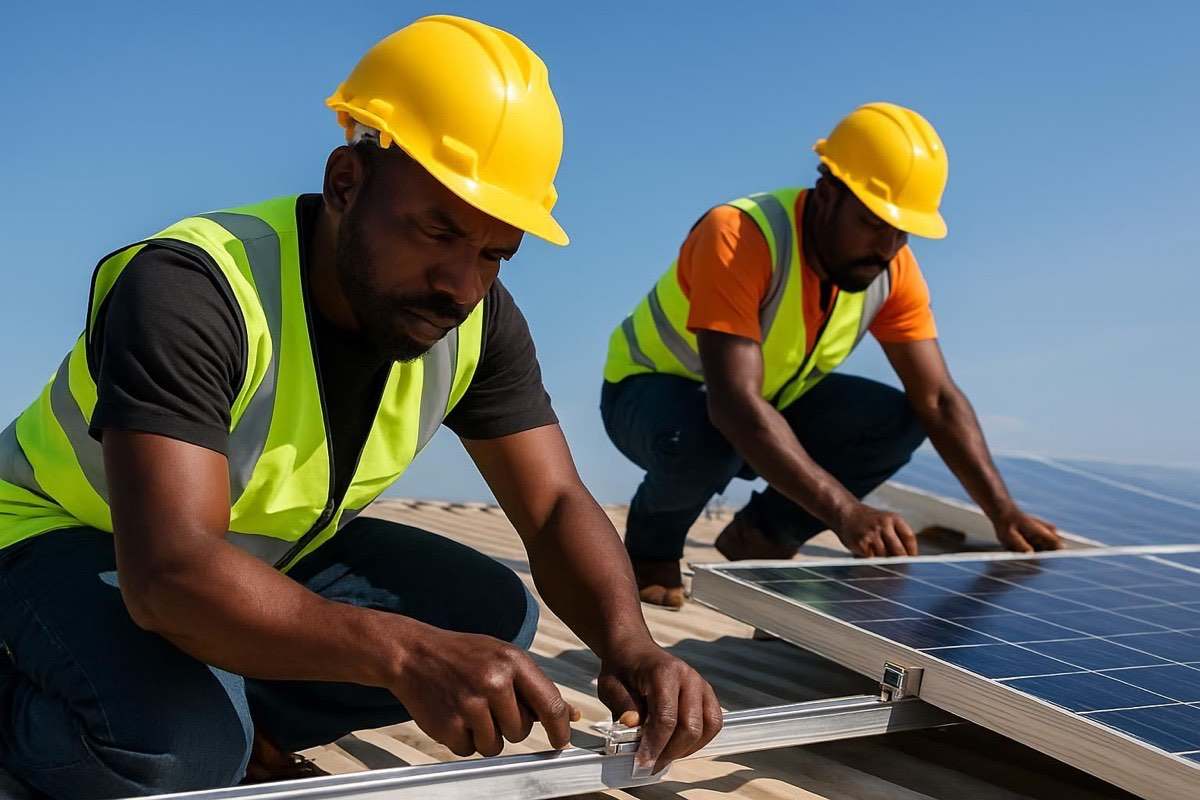
We are independent. We connect you with a vetted, EPRA-licensed installer, arrange your free site survey, and make sure you get a clear, written quote that sets out the system, equipment and warranty.
Answer a few quick questions and we'll connect you with a vetted, EPRA-licensed installer for a free site survey and a clear, written quote. Free site survey · installation & delivery countrywide.
Get my free quoteThe best company is the one that is EPRA-licensed, uses genuine Tier-1 equipment, gives a written quote and warranties its work, and is sized correctly for your home. Rather than rank companies, we vet installers against those standards and connect you with one that fits your project.
A small backup system starts around KES 120,000, a typical 3kW home system from about KES 350,000, and a 5kW hybrid system from around KES 650,000. The exact figure depends on your power use. Book a free site survey for an accurate quote.
Reputable Tier-1 panel brands widely available in Kenya include Jinko, JA Solar, Canadian Solar, Longi and Trina. What matters more than the badge is that the panel is genuine Tier-1 with a real 12-year product warranty, which is what our installers supply.
No. Rain does not damage solar panels and actually helps by washing off dust. Output dips on heavily overcast days, which is why a hybrid system with battery storage keeps your power steady through cloudy weather and the night.
They keep working. A 25-year performance warranty means a panel still produces about 80 to 85 percent of its original output at year 25, not that it stops. Inverters are usually replaced once at around 8 to 12 years, and batteries on their own cycle life.
Yes. We only work with EPRA-licensed installers, which is the legal requirement for solar PV work in Kenya. Solar Company Kenya is the service that connects you with them.
Yes, our installer network covers the whole country. Tell us your location and we will arrange a site survey.
Get matched with vetted, EPRA-licensed installers who survey your roof, size the system to your bills and fit it properly the first time.
View Installation →Complete, ready-sized solar packages with real KES prices: from a 1kW backup unit to a 15kW system for homes, farms and small businesses.
View Solar Systems →Genuine Tier-1 monocrystalline solar panels priced openly per watt, matched to vetted, EPRA-licensed installers across Kenya.
View Solar Panels →What solar actually costs in Kenya: panels, inverters, batteries and full systems, with real KES figures and no hidden extras.
View Prices →Cut your business's daytime power bill with a right-sized commercial solar system, costed in real KES and built by a vetted, EPRA-licensed installer.
View Commercial →An honest, numbers-based look at whether solar pays off in Kenya, and the cases where it does not yet.
View Is Solar Worth It? →