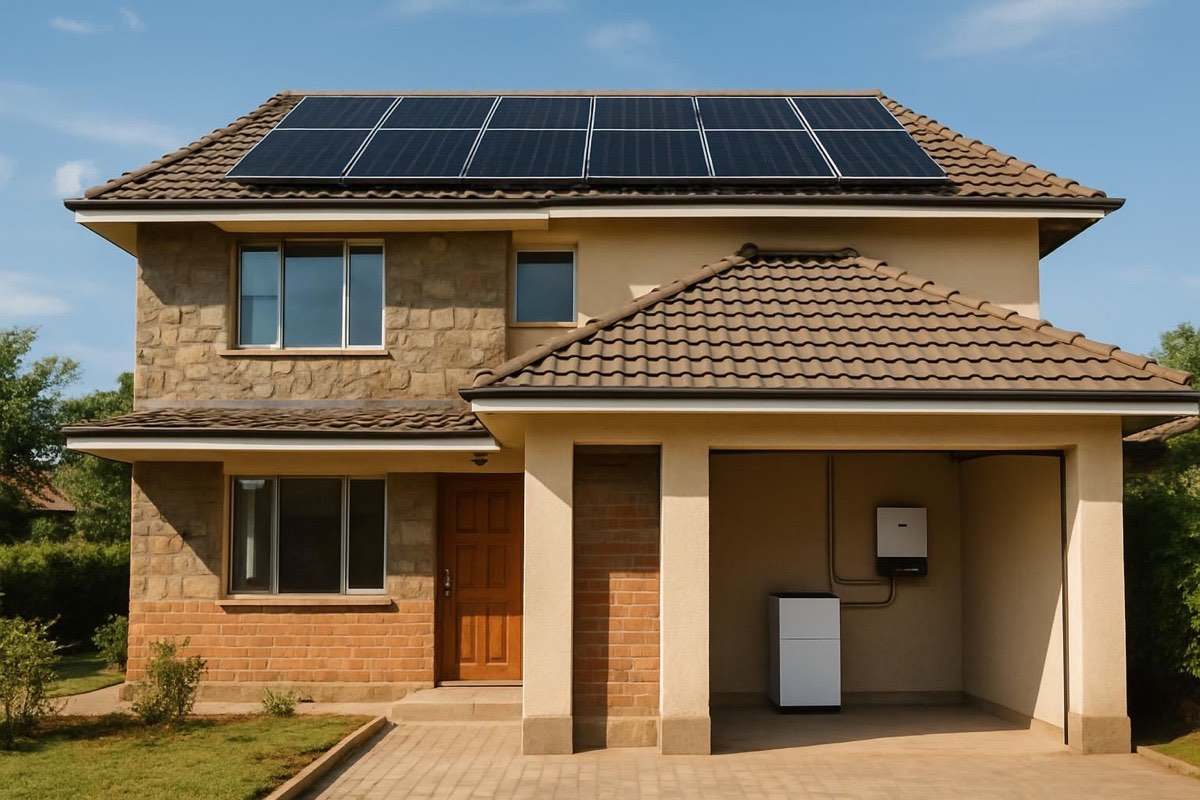
5kW Hybrid Solar System
5kW · ~20–25 kWh/day
Whole-home hybrid system with battery storage, cuts the KPLC bill and rides through blackouts.
FromKES 650,000KES 720,000
Get a quote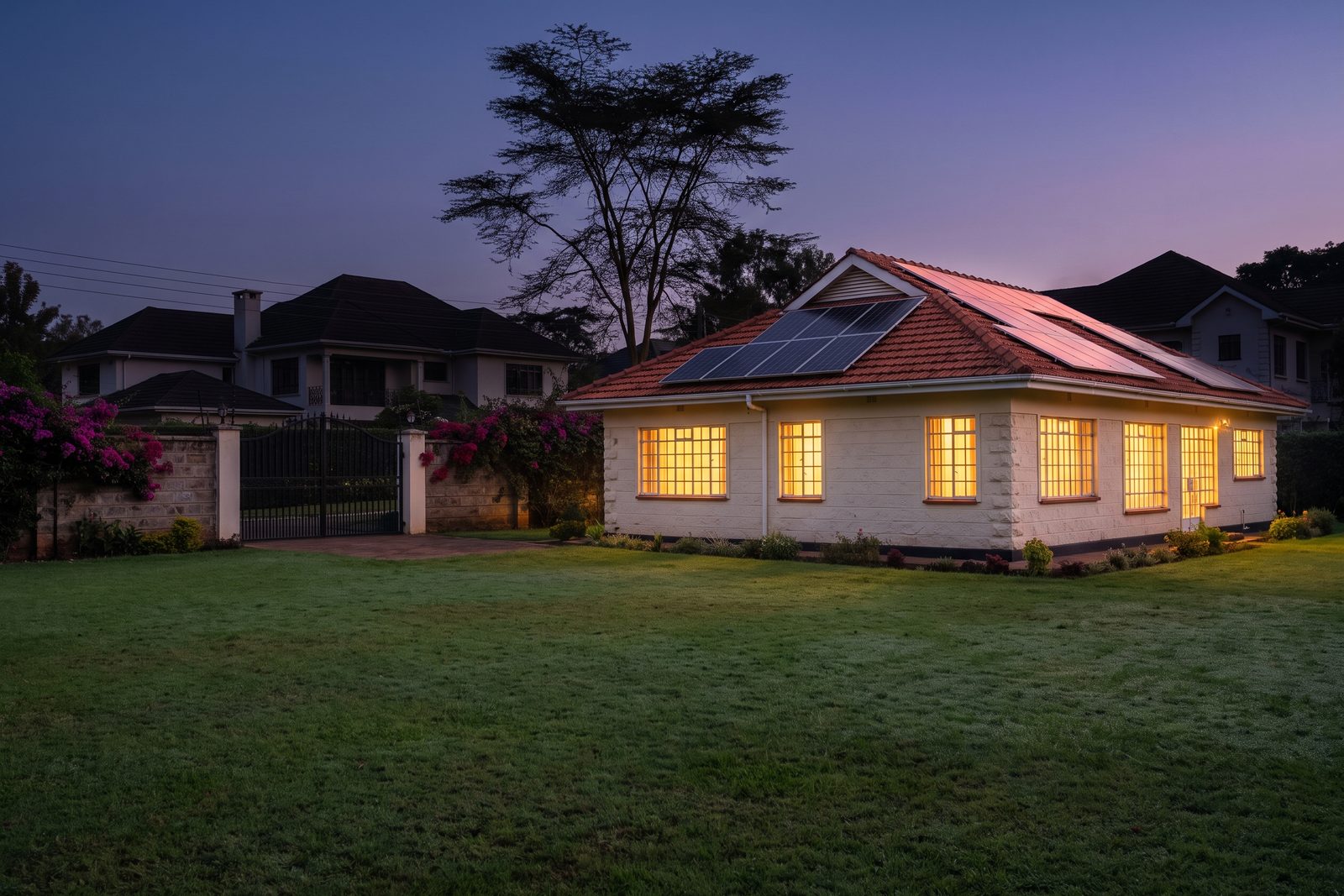
An honest, numbers-based look at whether solar pays off in Kenya, and the cases where it does not yet.
✓ Free site survey · installation & delivery countrywide
By Admin · Updated June 2026
For most Kenyan homes spending more than KES 8,000 a month with KPLC, solar is worth it: a hybrid system typically pays for itself in 4 to 7 years and then runs for another 15 to 20 years on near-free power. That is the short answer. The longer answer depends on your bill, your roof, and whether you buy the right size, which is what this page walks through with real KES prices and the catches the sales brochures skip.
Kenyan power is not cheap. At June 2026 tariffs a typical home pays an effective KES 24 to 28 per kWh once fuel cost, forex, EPRA and other levies are added on top of the energy charge, and that figure has climbed almost every year. Solar lets you fix a large part of that cost up front instead of paying a rising bill forever. We are an independent matching service, not an installer, so we have no system to sell you. We connect you with vetted, EPRA-licensed installers who size, supply and warranty the kit. Below is the math we would want a relative to see before spending a shilling.
5kW · ~20–25 kWh/day
Whole-home hybrid system with battery storage, cuts the KPLC bill and rides through blackouts.
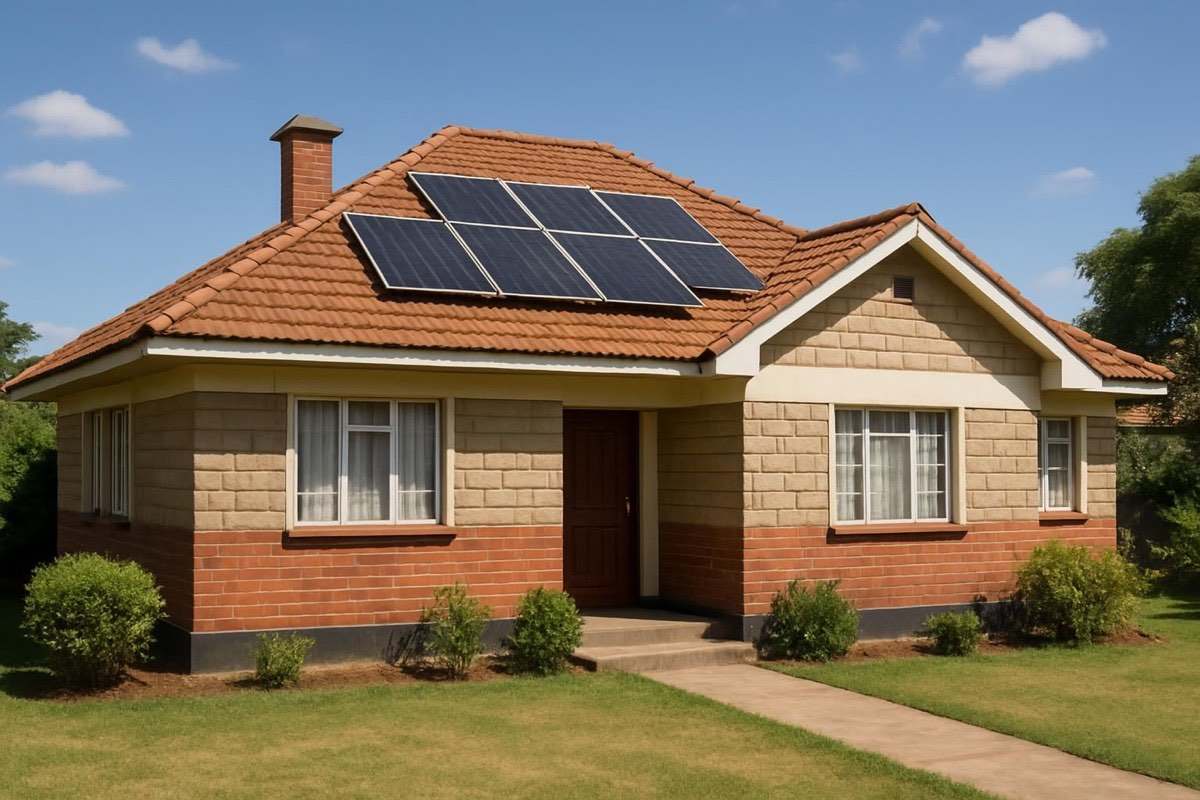
3kW · ~12–15 kWh/day
Popular family system for a 2–3 bedroom home, runs lights, electronics, fridge and small appliances.
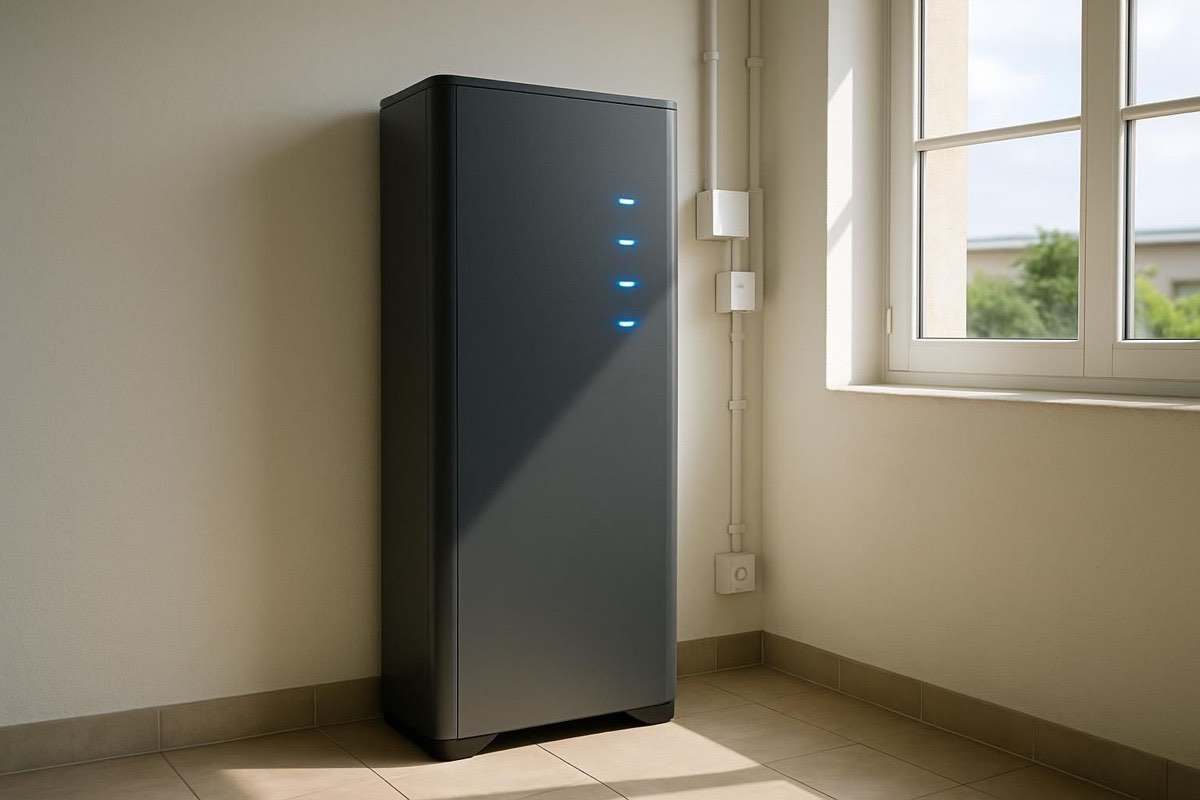
5.12kWh · 48V LiFePO4
Long-life lithium battery, deeper discharge and far longer life than lead-acid.
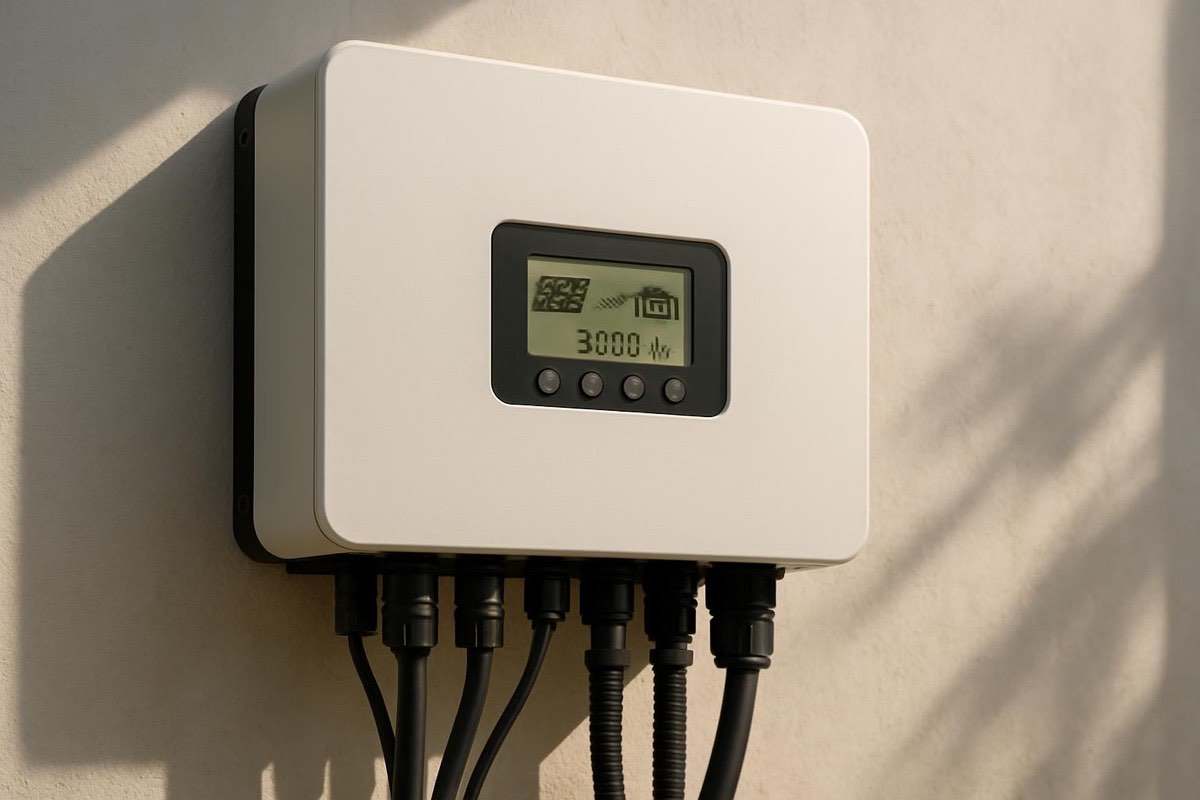
5kW · 48V · MPPT
48V hybrid inverter sized for whole-home systems with lithium battery support.
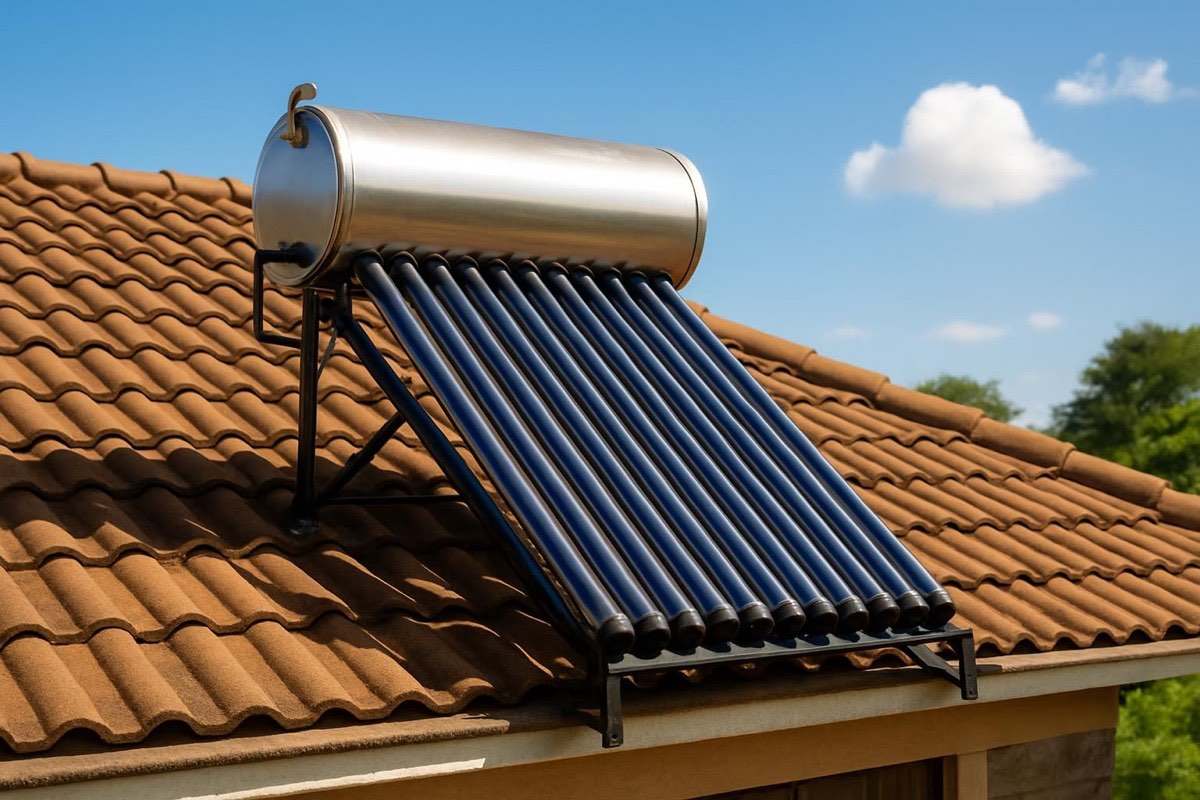
200L · for 4–5 people
Rooftop solar water heater that delivers free hot water for a family home.
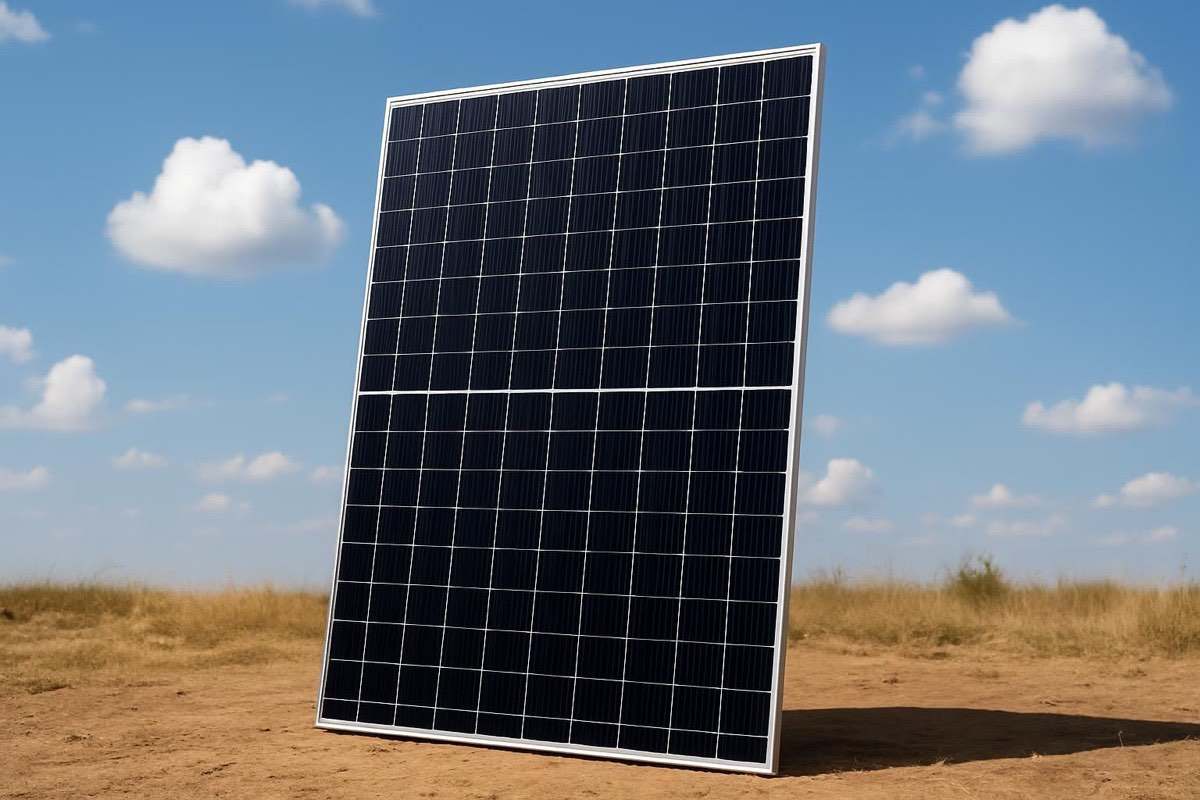
550W · half-cell mono
High-output half-cell panel, fewer panels, more power per square metre of roof.
Payback is just system cost divided by what you stop paying KPLC. A 5kW hybrid system with a 5kWh lithium battery starts from KES 650,000 installed. If it knocks KES 12,000 a month off your bill, that is KES 144,000 saved a year, or a payback of roughly 4.5 to 5 years. A leaner 3kW system from KES 350,000 that saves KES 7,000 a month pays back in about 5 to 6 years.
Three things shift that number. A bigger bill shortens payback, because every unit you self-generate is worth more. A battery lengthens it, because storage is the most expensive part per kWh and pays back slower than the panels. And good sizing matters: an oversized system you cannot fully use just sits there. The honest range for a well-sized Kenyan home is 4 to 7 years for the full system, with the panels alone often paying back in under 3 years. After that, the kit keeps producing for its remaining life, which is where the real solar savings in Kenya come from.
Indicative June 2026 prices, supplied and installed by the licensed installer you are matched with: a 300W mono panel runs about KES 16,000, a 450W panel about KES 22,000. A 5kW hybrid inverter is about KES 120,000. A 5kWh lithium (LiFePO4) battery is about KES 180,000, and that single line item is usually the largest in any system with storage.
Put together, a small backup-focused 3kW system starts from KES 350,000, a mainstream 5kW hybrid home system from KES 650,000, and a larger 10kW home or small-business system from KES 1,200,000. Watch the per-watt figure: well-priced Kenyan installs sit around KES 80 to 130 per watt all-in. Quotes far below that usually mean undersized cabling, no surge protection, counterfeit panels or no real warranty, which is exactly the trap the cheap-quote market is full of.
The advantages of solar in Kenya are concrete. You cut 50 to 90 percent off your KPLC energy charge, you ride out load-shedding and blackouts on battery, you lock in a cost today against tariffs that keep rising, and grid-tied or hybrid systems can feed back under net metering where your DISCO supports it. Panels carry 25-year performance warranties and degrade slowly, about 0.5 percent a year, so a panel still makes around 87 percent of its rated output at year 25.
The downsides are real too, and few competitor pages say them plainly. The upfront cost is high. The lithium battery, the part that gives you night-time and blackout power, typically needs replacing once at around year 10 to 12, budget roughly KES 180,000 to 250,000 then at today's prices, though battery costs keep falling. Output drops in the long rains and on heavily overcast Nairobi days, so a system sized only for sunny months will lean on the grid in April and May. And heavy loads, an instant shower, a 3kW kettle, a welding machine, will flatten a small battery fast, which is the single most common complaint from Kenyans who bought too small.
Solar is a poor buy if your KPLC bill is under about KES 3,000 a month. The savings are too small to justify the upfront cost, and your payback stretches past 10 years. It is also weak if you rent and cannot move the system, if your roof is heavily shaded or faces the wrong way with no ground space, or if you mainly want to run an electric instant shower and cooker, where the battery and inverter you would need cost more than they save.
If cash is the only barrier, financing changes the math. Several Kenyan banks and SACCOs, plus pay-as-you-go and asset-finance lenders, now offer solar loans, and the monthly repayment is often close to or below the KPLC bill it replaces, so you can be cash-flow positive from month one. We can flag installers who work with these financing partners. The point of this page is not to push you in: it is to make sure that if you do go solar, you buy the right size at a fair price from a licensed installer, not a cheap quote you regret in year two.
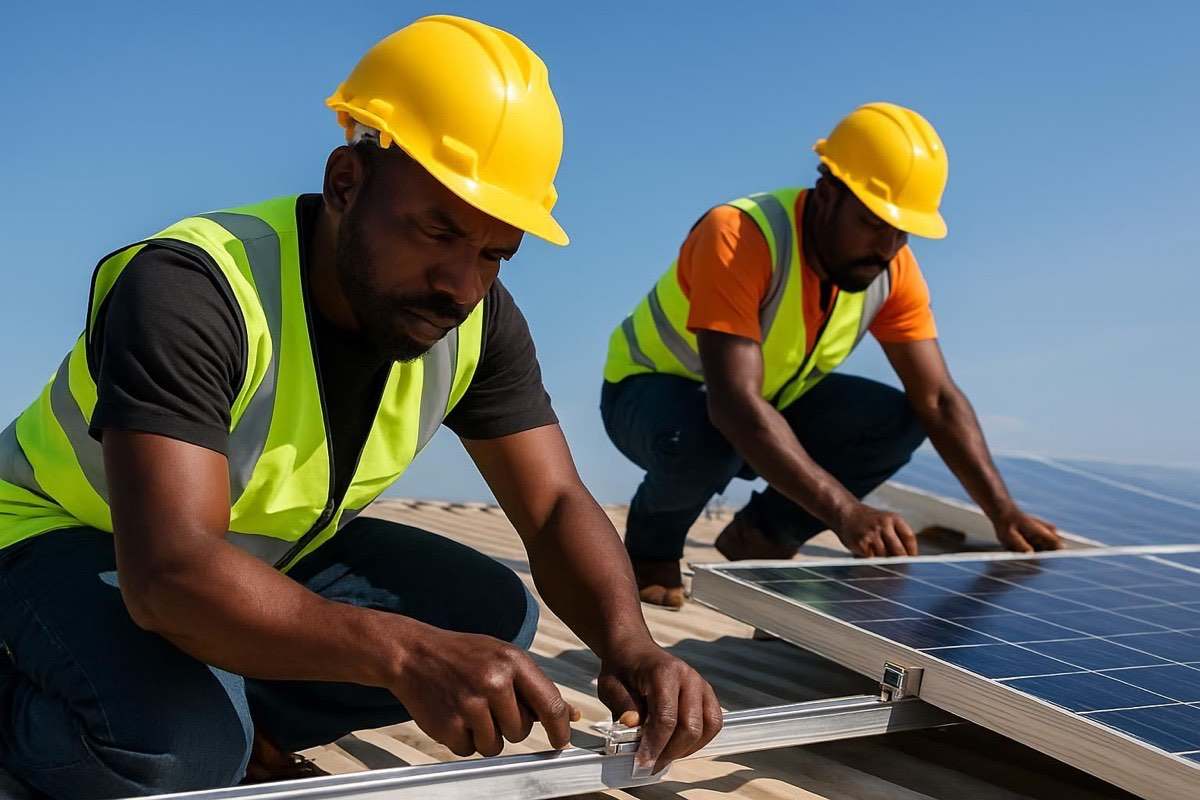
We are independent. We connect you with a vetted, EPRA-licensed installer, arrange your free site survey, and make sure you get a clear, written quote that sets out the system, equipment and warranty.
Answer a few quick questions and we'll connect you with a vetted, EPRA-licensed installer for a free site survey and a clear, written quote. Free site survey · installation & delivery countrywide.
Get my free quoteFor most homes spending over KES 8,000 a month with KPLC, yes. A well-sized hybrid system pays back in 4 to 7 years and then runs another 15 to 20 years on near-free power. It is not worth it if your bill is under about KES 3,000 a month, you rent, or your roof is heavily shaded, because the payback stretches past 10 years.
A small backup-focused 3kW system starts from KES 350,000 installed. A mainstream 5kW hybrid system for a typical 3 to 4 bedroom home starts from KES 650,000. A 10kW system for a large home or small business starts from KES 1,200,000. The licensed installer you are matched with sizes the system to your actual bill and loads.
Most homes cut 50 to 90 percent off their KPLC energy charge. At an effective KES 24 to 28 per kWh, a household using 15 kWh a day that self-generates most of it saves roughly KES 8,000 to 12,000 a month. The exact figure depends on your usage pattern and how much you draw at night from the battery versus the grid.
Typically 4 to 7 years for a full hybrid system with battery, and often under 3 years for the panels alone. Payback equals system cost divided by your monthly KPLC saving. A bigger bill shortens it; adding a battery lengthens it because storage is the most expensive part per kWh.
The panels do not stop, they slow down. At about 0.5 percent degradation a year, a 25-year-old panel still produces roughly 87 percent of its rated output, which is the point its performance warranty guarantees. Many keep working well beyond 25 years. The inverter usually needs replacing once around year 10 to 15, and a lithium battery once around year 10 to 12.
High upfront cost, a lithium battery that needs replacing once around year 10 to 12 (roughly KES 180,000 to 250,000 at today's prices), lower output during the long rains and heavily overcast days, and the fact that heavy loads like instant showers, kettles and welders can flatten an undersized battery quickly. Buying the right size avoids most of these problems.
That depends on the battery, not the inverter. A 5kVA inverter paired with a 5kWh lithium battery runs normal home loads (lights, TV, fridge, phones, WiFi, a few sockets) for roughly 5 to 8 hours overnight. Add a 3kW instant shower or electric kettle and the same battery can drain in well under an hour, so heavy loads need a bigger battery or staying on the grid.
Not always. A grid-tied system without a battery is cheapest and pays back fastest, but it goes dark when KPLC does. A hybrid system with a battery costs more but keeps power on through blackouts and lets you use solar at night. Most Kenyan homes choose hybrid for the blackout cover; your installer can advise based on how often your area loses power.
What solar actually costs in Kenya: panels, inverters, batteries and full systems, with real KES figures and no hidden extras.
View Prices →Complete, ready-sized solar packages with real KES prices: from a 1kW backup unit to a 15kW system for homes, farms and small businesses.
View Solar Systems →Get matched with vetted, EPRA-licensed installers who survey your roof, size the system to your bills and fit it properly the first time.
View Installation →Who we are, how we vet every installer against the EPRA register, and why we only connect you with licensed solar professionals.
View About →